
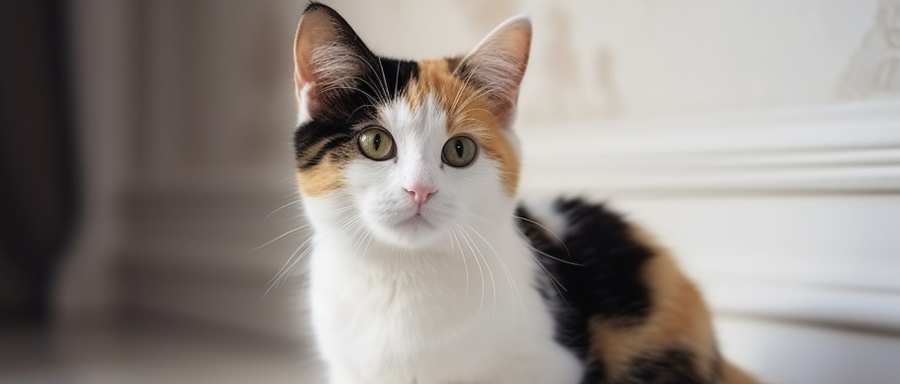
Domestic cats are crepuscular, meaning they are most active during dawn and dusk rather than being strictly nocturnal.
The Nature of Domestic Cats
Domestic cats, scientifically known as Felis catus, have a rich history that intertwines with human civilization. Understanding their behavior is essential for cat owners and enthusiasts alike. Cats are often described as independent creatures, exhibiting a range of behaviors that can sometimes perplex their human companions. One of the most intriguing aspects of their behavior is their activity patterns. This leads us to the question: Are domestic cats nocturnal?
The answer is more nuanced than one might think. While cats do display some nocturnal tendencies, they are primarily crepuscular animals. This means they are most active during the twilight hours—early morning and evening. This behavior can be traced back to their wild ancestors who hunted during these times to avoid predators and take advantage of low light conditions for hunting small prey.
Understanding Crepuscular Behavior
Crepuscular behavior in animals is fascinating and serves several evolutionary purposes. For domestic cats, being active at dawn and dusk allows them to hunt small mammals and birds effectively. In the wild, these times of day provide optimal lighting conditions for stalking prey while minimizing the risk of detection by larger predators.
To illustrate this point further, consider the following table that outlines the activity patterns of various domestic animals:
| Animal | Activity Pattern | Peak Activity Times |
|---|---|---|
| Domestic Cat | Crepuscular | Dawn & Dusk |
| Dog | Diurnal | Daytime |
| Hamster | Nocturnal | Nighttime |
| Bats | Nocturnal | Nighttime |
This table demonstrates how different species have adapted their activity patterns based on evolutionary needs and environmental factors. Domestic cats’ crepuscular nature allows them to thrive in various settings, from urban environments to rural landscapes.
The Impact of Domestication on Activity Patterns
Domestication has undoubtedly influenced feline behavior over thousands of years. As cats transitioned from wild hunters to cherished pets, their activity patterns began to adapt to human lifestyles. While many owners may notice their cats being more active at night, this could be attributed to a few factors related to living with humans.
First, indoor cats often have less stimulation during the day compared to their wild counterparts. The lack of external stimuli can lead them to become more active when their human companions are home in the evening or at night. This shift can create a perception that domestic cats are nocturnal when, in fact, they are simply adjusting their natural behaviors based on their environment.
Second, certain breeds exhibit variations in activity levels due to selective breeding practices. For instance, Siamese and Bengal cats are known for their playful and energetic dispositions. These breeds often engage in play during hours when humans are available, further contributing to the perception that they are more active at night.
The Role of Light in Cat Behavior
Light plays a crucial role in regulating animal behavior through circadian rhythms—the internal biological clock that governs sleep-wake cycles. Cats possess a unique ability to see well in low-light conditions due to a high concentration of rod cells in their retinas. This adaptation allows them to navigate effectively during twilight hours when they would typically be hunting.
Interestingly enough, this sensitivity to light also means that domestic cats may become more active when exposed to artificial light sources inside homes. Bright lights or flickering screens can stimulate them into playfulness or exploration, leading them to exhibit behaviors associated with nocturnality.
Moreover, changes in seasonal daylight can influence a cat’s activity levels as well. During longer summer days, some owners may notice increased nighttime activity among their feline friends as they respond instinctively to environmental cues.
The Social Aspect of Feline Activity Patterns
Cats are social creatures despite their reputation for independence. They communicate through vocalizations, body language, and scent marking—interactions that often occur during peak activity times like dawn and dusk. Observing these behaviors can provide insight into how social dynamics influence what might appear as nocturnal habits.
When multiple cats share a household, competition for resources such as food or attention can lead them to engage in more vigorous play or exploration when humans are present—often during evening hours after dinner time or before bed.
Additionally, many cat owners inadvertently encourage nighttime activity by interacting with their pets after work or school hours when they return home tired but ready for companionship. Providing toys or engaging in play sessions during these times reinforces the notion that nighttime is an ideal time for fun and exploration.
Coping with Nocturnal Behaviors: Tips for Cat Owners
Understanding that domestic cats are primarily crepuscular rather than strictly nocturnal helps cat owners manage behaviors that may disrupt nighttime routines. Here are some strategies for coping with unwanted nighttime activity:
1. Structured Playtime: Engaging your cat in interactive play sessions during early evening hours allows them to expend energy before bedtime.
2. Environmental Enrichment: Providing stimulating toys or puzzle feeders keeps your cat mentally engaged throughout the day, reducing nighttime restlessness.
3. Routine Feeding Schedule: Feeding your cat later in the evening can help align their hunger cues with your bedtime routine.
4. Safe Sleeping Areas: Creating designated sleeping spaces away from bedrooms encourages your cat to settle down while you sleep peacefully.
5. Gradual Adjustments: If your cat exhibits strong nocturnal tendencies due to previous habits, gradually shifting playtimes and feeding schedules can help realign their natural rhythms.
Implementing these strategies fosters a harmonious relationship between feline companions and their human families while respecting each other’s needs for rest and engagement.
The Importance of Understanding Your Cat’s Needs
Recognizing that domestic cats exhibit crepuscular behavior rather than strict nocturnality emphasizes the importance of understanding individual needs within each pet’s context. Every cat is unique; therefore, observing specific behaviors provides valuable insight into how best to support them.
For instance, some older cats may become less active overall due to age-related changes or health issues affecting mobility or energy levels—this shift requires attentive care from owners who want nothing but comfort for their beloved pets.
On the other hand, younger kittens often display bursts of energy at various times throughout the day as part of normal growth and development—encouraging safe outlets for this playful energy nurtures healthy habits moving forward into adulthood.
Ultimately fostering an environment where both owner expectations align with feline instincts ensures mutual satisfaction within shared living spaces while promoting overall well-being among all involved parties!
Conclusion – Are Domestic Cats Nocturnal?
The question “Are domestic cats nocturnal?” reveals much about our feline friends’ fascinating behavioral patterns rooted deeply within evolution itself! While not strictly nocturnal creatures like some animals such as hamsters or bats—domestic cats thrive primarily during twilight hours due largely due both innate instincts honed through centuries alongside humans’ companionships!
Understanding these nuances allows us not only appreciate but also accommodate our furry companions’ natural inclinations! By creating tailored environments filled with engaging activities throughout day-to-day life—we ensure harmonious coexistence where everyone gets what they need!