
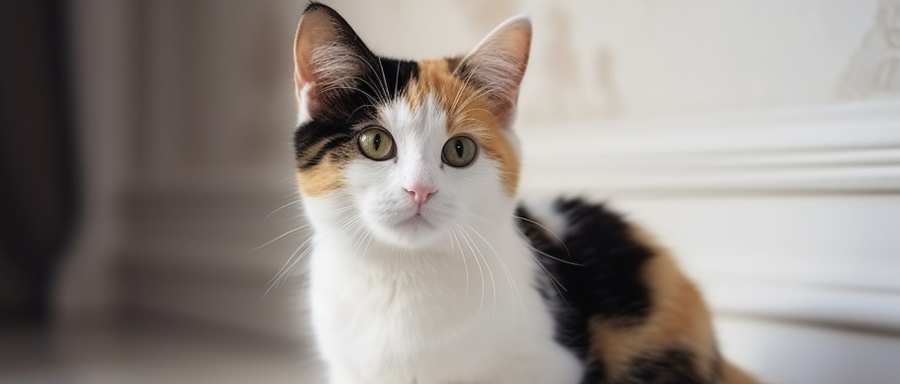
Douglas fir trees are not considered poisonous to cats, making them a safe choice for households with feline companions.
Cats are known for their curious nature, often exploring every nook and cranny of their environment. This inquisitive behavior can sometimes lead them to plants and trees that may be harmful. As a cat owner, understanding the safety of your home environment is crucial for your pet’s well-being. One common concern is whether Douglas fir trees pose any risk to our furry friends.
Understanding Douglas Fir Trees
Douglas fir (Pseudotsuga menziesii) is a popular evergreen tree native to North America. Known for its tall stature and conical shape, it’s often used in landscaping and as a Christmas tree. The tree features needle-like leaves that can vary in color from dark green to blue-green, and its bark is thick and furrowed, providing a rugged texture.
These trees thrive in various climates but particularly flourish in moist, temperate regions. They can grow quite large, reaching heights of up to 300 feet in the wild. Their wood is highly valued for construction and woodworking due to its strength and durability.
Understanding the characteristics of Douglas fir trees helps cat owners appreciate their beauty while also considering any potential risks associated with them.
Are Douglas Fir Trees Toxic?
When assessing any plant or tree’s safety concerning pets, toxicity is a primary concern. The good news for cat owners is that Douglas fir trees are not classified as toxic to cats. This means that if a cat were to nibble on the needles or bark of the tree, it would not result in poisoning or severe health issues.
However, while they are generally safe, some cats may experience mild gastrointestinal upset if they consume large quantities of any plant material, including Douglas fir needles. Symptoms could include vomiting or diarrhea but are typically not life-threatening.
It’s essential to monitor your cat’s behavior around these trees and ensure they do not consume excessive amounts of plant material.
Potential Risks Associated with Douglas Fir Trees
While Douglas fir trees themselves are not poisonous, there are still some risks associated with them that pet owners should be aware of:
Allergic Reactions
Some cats might have allergies to certain plants or trees. Although rare, exposure to Douglas firs could potentially trigger allergic reactions in sensitive felines. Symptoms may include sneezing, itching, or skin irritations.
Pesticides and Chemicals
If you have a Douglas fir tree treated with pesticides or other chemicals, these substances could pose a risk to your cat’s health. Always ensure that any treatments applied to plants around your home are pet-friendly.
Physical Hazards
The structure of Douglas fir trees can present physical hazards as well. For instance, falling branches or pine needles can cause injury if your cat climbs or plays around the tree. Keeping an eye on your feline friend when they’re near these trees can help prevent accidents.
Signs of Distress in Cats
Even though Douglas fir trees are generally safe for cats, it’s essential for pet owners to recognize signs of distress should their cat ingest something harmful or experience an allergic reaction.
Common Symptoms
- Vomiting: If a cat vomits after eating something unusual, it could indicate an upset stomach.
- Diarrhea: Loose stools can also signal digestive distress.
- Lethargy: A noticeable decrease in energy levels may indicate discomfort or illness.
- Itching/Scratching: Excessive grooming or scratching might suggest an allergic reaction.
If any of these symptoms occur after exposure to a Douglas fir tree—or any new plant—it’s wise to consult with a veterinarian promptly.
Caring for Your Cat Around Plants
Creating a safe environment for cats involves more than just knowing which plants are toxic; it’s about fostering an overall healthy space where they can explore without worry.
Safe Plant Choices
In addition to avoiding toxic plants like lilies and azaleas, consider incorporating non-toxic greenery into your home. Here’s a quick list:
| Plant Name | Toxicity Level |
|---|---|
| Bamboo Palm | Non-toxic |
| Ponytail Palm | Non-toxic |
| Non-toxic | |
| Non-toxic | |
| Non-toxic |
These plants not only beautify your space but also provide safe options for curious cats.
Monitoring Behavior Around Plants
Keeping an eye on how your cat interacts with plants is crucial. Some might show interest in chewing on leaves or digging around roots. Providing designated play areas away from sensitive plants can help manage this behavior while allowing them the opportunity to explore safely.
Offering alternative options—like cat grass—can satisfy their need to chew while keeping them away from potentially harmful plants.
The Importance of Veterinary Guidance
In cases where there’s uncertainty about the safety of specific plants or if you suspect your cat has ingested something harmful, contacting a veterinarian is always the best course of action. They can provide accurate information based on current research and offer solutions tailored specifically for your pet’s needs.
Regular check-ups also help ensure that your feline friend remains healthy overall. Discussing dietary habits and environmental concerns with your vet allows you to create the safest home possible for your beloved companion.
Conclusion – Are Douglas Fir Trees Poisonous To Cats?
In summary, the question “Are Douglas Fir Trees Poisonous To Cats?” has a reassuring answer: no, they aren’t toxic! However, it’s essential to remain vigilant about other factors such as allergies and chemical treatments that could affect feline health. By being informed and proactive about plant safety around cats, one can create an enjoyable environment where pets thrive without worry.
Cats bring joy into our lives; ensuring their safety allows us all to enjoy our time together without unnecessary stress over potential hazards lurking among our greenery!