
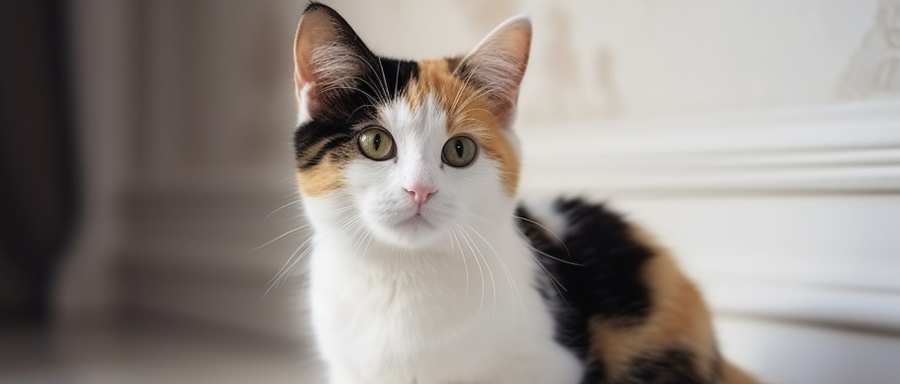
Many eucalyptus candles can pose risks to cats due to their essential oil content, making them potentially harmful.
Eucalyptus candles have become increasingly popular in homes for their refreshing scent and purported health benefits. However, for pet owners, especially those with cats, a lingering question often arises: Are Eucalyptus Candles Safe For Cats? Understanding the implications of using such candles is crucial for maintaining a safe environment for our feline friends.
Eucalyptus oil, derived from the leaves of the eucalyptus tree, is known for its invigorating aroma. It’s commonly used in aromatherapy and various household products. While it can create a pleasant atmosphere, it’s essential to recognize that certain substances can be toxic to pets. The safety of eucalyptus candles hinges on several factors, including the concentration of eucalyptus oil in the candle and how our pets interact with them.
The Composition of Eucalyptus Candles
Eucalyptus candles are typically made from a blend of wax (paraffin, soy, or beeswax) and essential oils. The concentration of eucalyptus oil varies widely among brands and types of candles. Essential oils are highly concentrated plant extracts that carry aromatic compounds. While they provide delightful scents, they also contain potent chemicals that may be harmful to pets.
The primary concern with eucalyptus oil is its potential toxicity to cats. Unlike humans, cats lack certain enzymes necessary to metabolize specific compounds found in essential oils effectively. This inability can lead to a buildup of toxins in their system, resulting in various health issues.
Common Ingredients in Eucalyptus Candles
To understand whether eucalyptus candles are safe for cats, it’s essential to examine their common ingredients:
| Ingredient | Potential Risks |
|---|---|
| Eucalyptus Oil | Toxicity; respiratory distress; gastrointestinal upset |
| Paraffin Wax | May release harmful chemicals when burned; potential respiratory irritant |
| Soy Wax | Generally safer; however, additives may pose risks |
| Beeswax | Considered safer; emits negative ions that purify air |
| Fragrance Oils | Can contain synthetic compounds harmful to pets |
This table highlights some common ingredients found in eucalyptus candles and their associated risks. Notably, eucalyptus oil poses significant concerns for feline health.
The Toxicity of Eucalyptus Oil to Cats
Eucalyptus oil contains compounds like 1,8-cineole (also known as eucalyptol), which can be toxic to cats when ingested or inhaled in significant amounts. Symptoms of eucalyptus toxicity may include:
- Vomiting
- Diarrhea
- Difficulty breathing
- Lethargy
- Lack of appetite
In severe cases, exposure can lead to more serious complications such as neurological issues or even death. If a cat shows any signs of distress after being near a burning eucalyptus candle or has ingested any part of the candle (including wax), immediate veterinary attention is necessary.
Signs of Eucalyptus Oil Toxicity in Cats
Recognizing the signs of toxicity early can make all the difference. Here are some symptoms pet owners should be vigilant about:
- Gastrointestinal Distress: Vomiting or diarrhea can indicate ingestion.
- Respiratory Issues: Coughing or difficulty breathing may arise from inhalation.
- Behavioral Changes: Increased lethargy or hiding behavior can signal discomfort.
- Neurological Symptoms: Seizures or coordination problems may occur in severe cases.
If any combination of these symptoms appears after exposure to eucalyptus candles, contacting a veterinarian promptly is vital.
Alternatives to Eucalyptus Candles for Cat Owners
For cat owners who enjoy fragrant environments but want to avoid the risks associated with eucalyptus candles, there are several alternatives available:
1. Soy Wax Candles: Opting for soy wax candles without added fragrances can provide a safer option.
2. Beeswax Candles: These natural candles burn cleanly and emit negative ions that purify the air without harmful chemicals.
3. Essential Oil Diffusers: Using pet-safe essential oils in diffusers with proper ventilation may offer an alternative scent without direct exposure.
4. Herbal Sachets: Dried lavender or chamomile sachets provide pleasant aromas without chemical risks.
Choosing alternatives ensures that homes remain inviting while safeguarding feline companions from potential harm.
Understanding Pet-Safe Essential Oils
If exploring essential oils further intrigues you, it’s crucial to identify which ones are considered safe for cats:
- Lavender Oil: Often found soothing and calming; however, use sparingly.
- Cedarwood Oil: Repels insects and is generally safe for pets.
- Frankincense Oil: May promote relaxation but should still be used cautiously.
Even with these safer options, moderation is key. Always consult with a veterinarian before introducing new scents into your home environment.
The Importance of Ventilation When Using Candles Around Pets
Even with seemingly safe products, proper ventilation plays an essential role in ensuring your pet’s safety when burning candles indoors. Ensuring adequate airflow reduces the concentration of any potentially harmful substances released into the air during burning.
Cats are particularly sensitive to strong odors and fumes due to their acute sense of smell. Therefore, keeping windows open or using exhaust fans while burning candles helps dissipate any lingering scents that could affect your furry friend negatively.
Best Practices for Candle Use Around Cats
Implementing best practices when using candles around cats promotes safety and peace of mind:
- Place candles out of reach: Ensure they’re on high surfaces where curious paws can’t reach.
- Use flameless LED candles: These provide ambiance without fire risk or toxic fumes.
- Monitor your cat’s behavior: Watch for signs indicating discomfort around scented products.
Following these guidelines helps create a safe space while enjoying cozy candlelit moments at home.
The Role of Education in Pet Safety
Education plays a pivotal role in ensuring pet safety regarding household items like scented candles. Understanding which products pose risks helps mitigate potential hazards before they become serious issues.
Pet owners should actively seek information about toxic substances commonly found in homes and how these affect their animals’ health. Regularly consulting reputable sources—such as veterinarians or animal welfare organizations—can keep pet owners informed about changing guidelines on product safety.
Additionally, sharing knowledge within communities fosters awareness among fellow pet lovers about keeping homes safe for all members—human and animal alike!
Conclusion – Are Eucalyptus Candles Safe For Cats?
In conclusion, the answer remains clear: Are Eucalyptus Candles Safe For Cats? Generally speaking, they pose significant risks due primarily to their high concentrations of eucalyptus oil that can be toxic if ingested or inhaled by felines.
While enjoying fragrant environments remains possible through alternative means—like soy wax or beeswax options—pet owners must prioritize their furry companions’ well-being above all else by staying informed about potentially hazardous products commonly found at home.
By understanding ingredient compositions and recognizing signs associated with toxicity early on coupled with practicing safe usage habits around pets will ensure both comfort within our spaces while maintaining vigilance over our beloved animals’ health!