
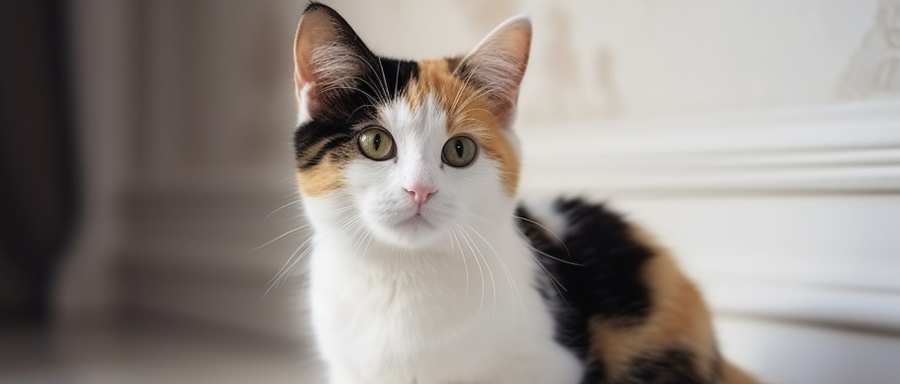
Research indicates that male cats tend to be more affectionate and sociable than female cats, but individual personality varies widely.
Cats have long held a special place in human hearts and homes. Their graceful movements, soothing purrs, and sometimes quirky behaviors make them beloved companions. Among the many discussions surrounding our feline friends, a common query arises: “Are Male Cats Nicer Than Female Cats?” This question invites a closer examination of cat behavior, personality traits, and the factors that influence how each cat interacts with humans and other animals.
Understanding the differences between male and female cats isn’t just about gender; it’s about personality, upbringing, and even socialization. The world of feline behavior is rich and complex. Factors like breed, environment, and individual experiences contribute significantly to how a cat behaves.
The Basics of Cat Behavior
To explore whether male cats are indeed nicer than their female counterparts, it’s essential to grasp the fundamentals of cat behavior. All cats exhibit unique personalities shaped by their genetics and environment. While some studies suggest trends based on gender, it’s crucial to remember that these are generalizations rather than hard-and-fast rules.
Male cats are often perceived as more affectionate. They might seek out human companionship more frequently than females. This tendency can be attributed to several factors:
- Hormonal Influences: Male cats typically display behaviors influenced by testosterone. This hormone can enhance social interactions.
- Neutering Effects: Neutered male cats often exhibit reduced territorial aggression and increased friendliness compared to unaltered males.
- Socialization: Male kittens may engage in play that fosters social bonds earlier in life.
On the flip side, female cats may display behaviors that reflect their nurturing instincts. They might be more independent or territorial, especially if they haven’t been spayed.
Personality Traits in Male vs. Female Cats
When considering whether male cats are nicer than female cats, examining personality traits is crucial. While both genders can exhibit a range of characteristics, some trends emerge.
Male Cat Traits
1. Affectionate: Many male cats enjoy cuddling and being close to their owners.
2. Playful: Males often retain a kitten-like playfulness well into adulthood.
3. Sociable: They tend to get along well with other pets and humans alike.
Female Cat Traits
1. Independent: Females often show a greater inclination towards independence.
2. Territorial: Unspayed females may be more protective of their space.
3. Nurturing: They can exhibit strong maternal instincts when around kittens.
While these traits provide insight into general behaviors, it’s important to note that every cat is unique. Personality can vary widely even within the same gender.
The Role of Neutering and Spaying
Neutering male cats has been shown to influence behavior significantly. Altered males often become less aggressive and more sociable after the procedure. Spaying female cats also has behavioral implications; spayed females generally exhibit fewer territorial tendencies.
Studies indicate that neutering can lead to a decrease in certain undesirable behaviors such as spraying or fighting among males. Spaying not only prevents unwanted litters but also reduces instances of yowling during heat cycles in females.
The decision to spay or neuter should consider both health benefits and behavioral outcomes:
| Procedure | Benefits for Males | Benefits for Females |
|---|---|---|
| Neutering | Less aggression; reduced roaming; lower risk of certain diseases. | N/A |
| Spaying | N/A | Prevents heat cycles; reduces risk of uterine infections; lowers cancer risks. |
In essence, both procedures promote not only better health outcomes but also enhance behavioral traits that could lead one to perceive male cats as “nicer.”
Socialization Factors Impacting Behavior
The environment plays a pivotal role in shaping a cat’s behavior regardless of gender. Socialization during kittenhood is particularly influential.
Kittens exposed to various stimuli—such as different people, pets, sounds, and environments—are likely to develop into well-adjusted adults who are comfortable around others. A lack of early socialization can lead to fearful or aggressive behaviors later in life.
Male kittens often engage in more rough-and-tumble play with littermates compared to females; this type of play fosters social skills essential for adult interactions.
In contrast, female kittens may focus on different types of play that emphasize agility or stealth, which can contribute to their independent nature as adults.
The Impact of Breed on Behavior
Breed-specific traits also come into play when discussing whether male cats are nicer than female cats. Certain breeds are known for specific personality characteristics:
- Siamese: Highly vocal and affectionate regardless of gender.
- Maine Coon: Known for being gentle giants; males tend to be particularly friendly.
- Persian: Often calm and laid-back; both genders typically exhibit sweet dispositions.
Understanding breed tendencies allows potential cat owners to make informed decisions regarding which type might best suit their lifestyle while considering gender-related traits.
The Importance of Individual Personality Over Gender Stereotypes
While it’s tempting to classify male cats as inherently nicer than females based on broad trends, individual personality plays an undeniable role in behavior.
There are plenty of examples where female cats demonstrate extraordinary affection while some males may prefer solitude or show less interest in human interaction.
A cat’s history—such as past traumas or positive experiences—can significantly affect its demeanor regardless of gender norms. For instance:
- A rescued female cat may become incredibly loving after finding a safe home.
- A previously neglected male might take longer to warm up but could develop deep bonds once trust is established.
Recognizing these nuances helps foster an understanding that goes beyond simplistic categorizations based on gender alone.
The Human Interaction Factor
Human interaction significantly influences how both male and female cats behave toward people and each other.
Cats raised in homes where they receive regular affection tend to replicate those behaviors later on—regardless of whether they’re male or female. Conversely, those who’ve faced neglect might approach human contact with hesitation or fear.
Active engagement through playtime enhances bonding between humans and their feline companions:
- Toys encourage exercise while fostering trust through shared activities.
- Gentle handling helps socialize kittens early on so they grow accustomed to human touch.
Ultimately, creating an environment filled with love encourages positive behaviors in both genders alike!
The Mythology Surrounding Cat Gender Differences
Various myths surround the idea that one gender is inherently better than the other when it comes down to companionship qualities like friendliness or loyalty towards humans.
Some believe that males possess an innate need for companionship due purely because they’re “gentler” creatures overall—a notion steeped more in stereotype than fact! Similarly exaggerated claims regarding females being aloof stem from misunderstandings about natural instincts tied closely into motherhood roles rather than any real disposition toward unfriendliness!
Such myths perpetuate misconceptions about feline behavior without acknowledging individual differences shaped by upbringing rather than mere biology alone!
Conclusion – Are Male Cats Nicer Than Female Cats?
In conclusion, determining whether male cats are nicer than female ones requires careful consideration beyond simple gender labels! While trends suggest males may lean toward affectionate behaviors more frequently than females—a myriad of factors contributes heavily towards shaping each cat’s unique personality!
Understanding individual traits alongside environmental influences such as socialization experiences will ultimately provide deeper insights into what makes any given kitty truly special! So while I’ve found many delightful boys who snuggle up right next me at night—I’ve also encountered equally charming girls who curl up purring happily beside me too!
The answer lies not just within their gender but rather within the rich tapestry woven from life experiences shared together!