
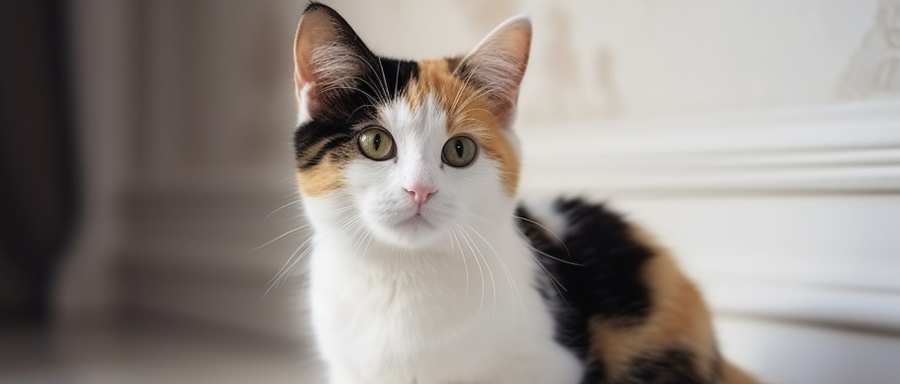
Oil diffusers can pose risks to cats due to certain essential oils that are toxic to them.
Cats are curious creatures, often exploring their surroundings with an inquisitive nose and a penchant for investigating new scents. For many cat owners, the allure of essential oils and oil diffusers is hard to resist. These products promise a soothing atmosphere, freshening up the home with delightful aromas. However, this raises an important question: Are oil diffusers bad for cats? The answer isn’t straightforward. It involves understanding which oils are safe, which can be harmful, and how to use these products responsibly.
The Basics of Essential Oils
Essential oils are concentrated plant extracts that capture the natural fragrance and beneficial properties of plants. They’re commonly used in aromatherapy, cleaning products, and personal care items. While humans may enjoy the pleasant scents and purported health benefits of essential oils, cats have a different physiological response to these substances.
Cats lack certain liver enzymes that help metabolize many compounds found in essential oils. This means that even small amounts of certain oils can lead to toxicity in felines. Common essential oils that pose risks include tea tree oil, peppermint oil, citrus oils (like lemon and orange), eucalyptus oil, and cinnamon oil.
How Cats Process Scents
Cats have a highly developed sense of smell—far superior to that of humans. Their olfactory receptors allow them to detect scents at incredibly low concentrations. While this is advantageous for hunting and navigating their environment, it also means that they can be more sensitive to strong fragrances from essential oils.
When a cat inhales or ingests essential oils, it can lead to various health issues ranging from mild irritation to severe toxicity. Symptoms may include drooling, vomiting, difficulty breathing, or even liver damage in extreme cases. Therefore, understanding how cats process these scents is crucial for ensuring their safety.
Identifying Toxic Essential Oils
Not all essential oils are created equal when it comes to feline safety. Some are relatively harmless when used properly, while others can be downright dangerous. Here’s a breakdown of some common essential oils and their effects on cats:
| Essential Oil | Toxicity Level | Symptoms of Toxicity |
|---|---|---|
| Tea Tree Oil | High | Vomiting, tremors, lethargy |
| Peppermint Oil | Moderate | Vomiting, diarrhea, respiratory distress |
| Citrus Oils (Lemon/Orange) | High | Drooling, vomiting, skin irritation |
| Eucalyptus Oil | Moderate | Lethargy, vomiting, diarrhea |
| Cinnamon Oil | High | Skin irritation, vomiting, increased heart rate |
| Lavender Oil (in small amounts) | Low (use caution) | Mild gastrointestinal upset if ingested in large quantities |
| Bergamot Oil | High | Vomiting, diarrhea, photosensitivity in skin contact |
This table highlights just a few common essential oils and their associated risks. It’s crucial to note that the toxicity level can vary based on the concentration of the oil used and the individual cat’s sensitivity.
The Risks of Diffusing Oils Around Cats
Using an oil diffuser around cats introduces several risks that pet owners must consider. The primary concern lies in the potential inhalation or absorption of toxic substances by your feline friend. Even if a particular oil isn’t classified as highly toxic for humans or dogs, it may still pose significant risks for cats.
Diffusing essential oils disperses tiny particles into the air that can be inhaled by both humans and pets alike. This is particularly concerning in smaller living spaces where air circulation may not be optimal. Moreover, if a cat has pre-existing health conditions—such as asthma or respiratory issues—the presence of diffused oils could exacerbate these problems.
Another factor worth mentioning is the behavior of cats themselves. They often groom themselves by licking their fur; if they come into contact with diffused oil particles settling on their coat or skin after being dispersed into the air, they could inadvertently ingest harmful substances during grooming.
Safe Alternatives: Creating a Cat-Friendly Environment
For those who love using scents but want to ensure their feline companions remain safe and healthy, there are several alternatives available:
Use Cat-Safe Essential Oils Sparingly
Some essential oils are considered safer than others when it comes to cats. Lavender oil is often cited as one such option; however, it’s important to use it sparingly and always monitor your cat’s reaction. If any signs of discomfort arise—such as excessive grooming or unusual behavior—it’s best to discontinue use immediately.
Aromatherapy Without Oils: Herbal Options
Instead of using concentrated essential oils through diffusers or sprays, consider herbal alternatives like dried herbs placed around your home. Catnip is a popular choice among feline enthusiasts; its scent can stimulate playful behavior without posing any health risks.
Other herbs like chamomile or rosemary can also provide pleasant aromas without endangering your pet’s well-being. Just ensure that any herbal materials used are safe for cats before introducing them into your environment.
Avoiding Direct Contact with Diffusers
If you choose to use an oil diffuser at home while having cats around—especially if you’re using potentially harmful oils—keep the diffuser in a room where your pets do not have access. This helps minimize exposure while still allowing you to enjoy your favorite scents in designated areas away from your furry friends.
Additionally, ensuring proper ventilation when using any type of scented product will help reduce airborne concentrations that could affect your pet’s health negatively.
The Importance of Monitoring Your Cat’s Health
Being proactive about monitoring your cat’s health becomes even more critical if you decide to incorporate any type of scented products into your home environment—even those deemed “safe.” Regular check-ups with a veterinarian will help ensure that no underlying health issues develop due to exposure over time.
If you notice changes in behavior such as lethargy or unusual grooming habits after introducing new scents into your home routine—take note! It’s better not only for peace of mind but also for safeguarding against potential long-term effects on feline companions’ well-being.
The Bottom Line: Are Oil Diffusers Bad For Cats?
In conclusion—Are oil diffusers bad for cats? The answer leans towards caution rather than outright prohibition; many factors contribute significantly toward determining safety levels regarding specific types/brands/types/concentrations used within these devices themselves!
While some essential oils may offer benefits when properly diluted/used sparingly/monitored closely—it’s vital never underestimate possible adverse reactions caused by exposure over time! Always prioritize creating safe spaces tailored specifically toward accommodating both human preferences alongside our beloved pets’ needs!
By being informed about which substances pose risks while exploring alternative options available—you’ll find ways not only enhance ambiance but also promote overall wellness within shared living environments!