
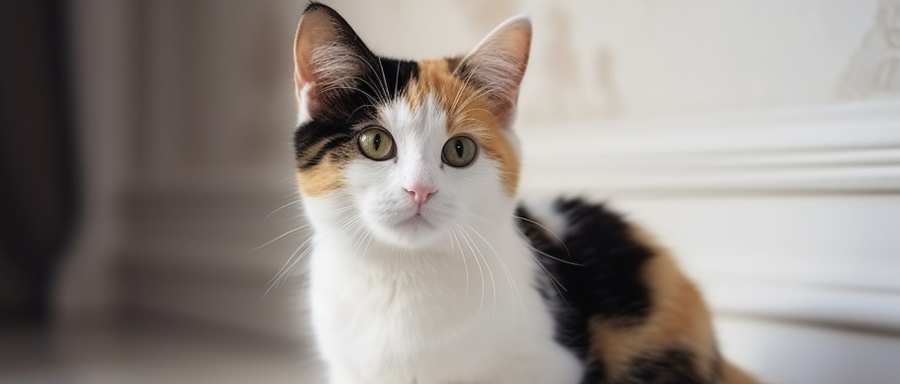
Peace Lilies are toxic to cats, causing symptoms like vomiting and difficulty swallowing.
Understanding the Peace Lily
Peace Lilies, scientifically known as Spathiphyllum, are popular houseplants cherished for their stunning white blooms and lush green foliage. These plants thrive in low-light conditions, making them a favorite among indoor gardeners. However, the allure of Peace Lilies comes with a hidden danger, especially for cat owners. The plant contains calcium oxalate crystals that can be harmful if ingested by pets.
Peace Lilies are not true lilies; they belong to the family Araceae. While they do produce beautiful flowers that resemble those of true lilies, their botanical characteristics differ significantly. The plant is native to tropical regions of the Americas and Southeast Asia, where it flourishes in shaded forest environments. Due to its adaptability and resilience, many people choose it as a decorative addition to their homes.
Despite their beauty, it’s essential to recognize the potential risks associated with having Peace Lilies around pets. Understanding these risks can help pet owners make informed decisions about their household plants.
The Toxicity of Peace Lilies
When discussing whether Peace Lilies are safe for cats, one must consider their toxicity levels. The primary concern lies in the presence of calcium oxalate crystals within the plant’s leaves and stems. These tiny crystals can cause irritation and discomfort when chewed or ingested by cats.
Symptoms of Peace Lily toxicity in cats can vary depending on the amount consumed and the individual cat’s sensitivity. Common signs include:
- Oral Irritation: Cats may experience burning sensations in their mouths and throats.
- Vomiting: Ingesting even small amounts can lead to nausea and vomiting.
- Difficulty Swallowing: Swelling or irritation may make swallowing painful.
- Excessive Drooling: Increased saliva production is a common response to oral irritation.
- Loss of Appetite: Cats may refuse food due to discomfort.
In severe cases, ingestion could lead to more serious health complications requiring veterinary attention. It’s crucial for cat owners to be vigilant about monitoring their pets around these plants.
Symptoms of Poisoning
Recognizing the symptoms of poisoning from Peace Lilies is vital for prompt treatment. Here’s a closer look at what to watch for:
| Symptom | Description |
|---|---|
| Oral Irritation | Burning sensation in mouth/throat; may paw at mouth. |
| Vomiting | Repeated episodes; may contain plant material. |
| Difficulty Swallowing | Painful swallowing; may refuse food or water. |
| Excessive Drooling | Increased saliva production; drool may appear foamy. |
| Loss of Appetite | Avoidance of food due to discomfort or pain. |
| Lethargy | Unusual tiredness or lack of energy; minimal movement. |
| Pawing at Mouth | Cats may try to alleviate discomfort by pawing at their mouths. |
If any of these symptoms appear after a cat has been near a Peace Lily, immediate veterinary care is recommended.
Safe Alternatives to Peace Lilies for Cat Owners
For those who adore houseplants but have feline companions, it’s important to explore safer alternatives that won’t pose a risk. Numerous beautiful plants are non-toxic and safe for cats:
- Spider Plant (Chlorophytum comosum): This resilient plant thrives in various conditions and is known for its air-purifying properties.
- Boston Fern (Nephrolepis exaltata): A lush fern that adds greenery without being harmful to pets.
- Areca Palm (Dypsis lutescens): This palm variety not only looks elegant but also helps improve indoor air quality.
- Bamboo Palm (Chamaedorea seifrizii): Another non-toxic palm that brings a tropical feel indoors while being safe for cats.
- Calathea (Calathea spp.): Known for its striking foliage patterns, Calathea is both visually appealing and safe around pets.
Choosing non-toxic plants allows pet owners to enjoy greenery without worrying about their furry friends’ safety.
Caring for Your Cat Around Houseplants
Keeping houseplants safe from curious cats requires some proactive measures. Here are some tips:
1. Placement Matters: Position plants out of reach from jumping cats. High shelves or hanging planters can deter access.
2. Use Deterrents: Natural deterrents like citrus peels or commercial sprays can discourage cats from approaching certain areas.
3. Create a Safe Zone: Designate specific areas in your home where pets are allowed and keep plants outside these zones.
4. Educate Yourself on Toxic Plants: Familiarize yourself with common houseplants that are toxic or non-toxic to pets so you can make informed choices.
5. Monitor Plant Health: Ensure your plants are healthy; wilting or decaying plants might attract curious noses looking for something new to explore.
6. Provide Alternatives: Offer your cat safe alternatives like cat grass or catnip plants, which can satisfy their curiosity without posing any risk.
By implementing these strategies, cat owners can create an environment where both pets and plants coexist safely.
The Importance of Veterinary Guidance
In cases where ingestion occurs, seeking veterinary guidance is paramount. Veterinarians can provide tailored advice based on the specific situation and symptoms exhibited by your pet. They might recommend treatments such as inducing vomiting or administering medications to alleviate symptoms.
It’s always better to err on the side of caution when it comes to potential poisoning incidents. Keeping emergency contact information for local veterinarians handy ensures quick access during stressful situations.
Additionally, educating oneself about pet safety regarding household items—including plants—can prevent unfortunate incidents before they occur.
Conclusion – Are Peace Lily Safe For Cats?
Are Peace Lily Safe For Cats? The answer is clear—these beautiful plants pose significant risks due to their toxicity when ingested by felines. It’s essential for pet owners to remain vigilant about plant choices within their homes while also considering safer alternatives that bring beauty without danger.
By understanding the potential hazards associated with Peace Lilies and taking proactive steps towards creating a pet-friendly environment, it’s possible to enjoy both greenery and furry companionship harmoniously. Embracing non-toxic plant options ensures peace of mind while keeping our beloved pets safe from harm’s way.