
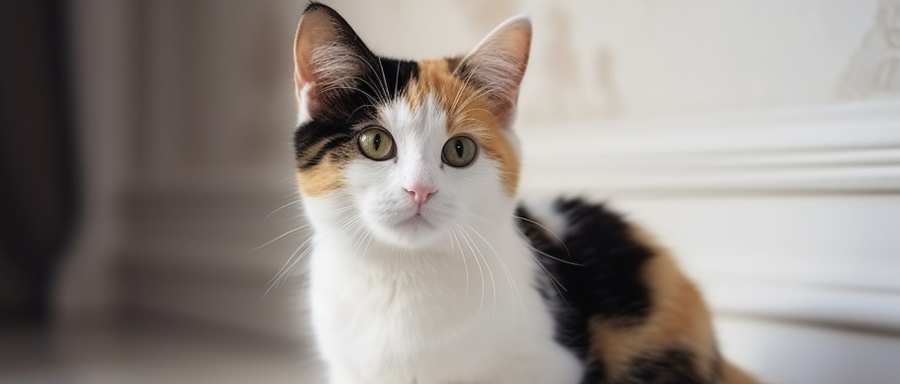
Pentas are not toxic to cats, making them safe for your feline friends.
Understanding Pentas: A Brief Overview
Pentas, also known as Pentas lanceolata, are vibrant flowering plants that belong to the Rubiaceae family. Native to Africa and parts of the Middle East, these plants are celebrated for their star-shaped flowers that bloom in various colors including red, pink, purple, and white. They thrive in warm climates and are often utilized in gardens and landscapes for their ability to attract butterflies and hummingbirds.
These plants can grow up to three feet tall and are typically grown as annuals in cooler areas. Their lush green foliage serves as a beautiful backdrop for the colorful blooms. As a gardener or a pet owner, it’s crucial to know which plants can coexist peacefully with pets. This brings us to the question: Are Pentas Toxic To Cats?
The Safety of Pentas Around Cats
When it comes to pet safety, understanding plant toxicity is vital. Fortunately, pentas have been classified as non-toxic to cats by reputable sources such as the ASPCA (American Society for the Prevention of Cruelty to Animals). This means that if a curious cat decides to nibble on a pentas leaf or flower, it’s unlikely to cause any harm.
However, just because a plant is non-toxic does not mean it should be consumed in large quantities. While pentas do not contain harmful substances that would affect cats adversely, ingesting any plant material can lead to mild gastrointestinal upset. Symptoms might include vomiting or diarrhea if a cat overeats foliage or flowers.
Common Symptoms of Plant Ingestion in Cats
While pentas are safe for cats, it’s still essential to be aware of general symptoms that may arise from any plant ingestion. Here’s a brief overview:
| Symptom | Description |
|---|---|
| Vomiting | May occur if a cat eats too much plant material. |
| Diarrhea | Loose stools can result from digestive upset. |
| Lethargy | A decrease in energy levels may indicate discomfort. |
| Loss of Appetite | A cat may refuse food due to stomach discomfort. |
| Excessive Salivation | Drooling can occur if a cat finds the taste unpleasant. |
These symptoms can be indicative of various issues, not just plant ingestion. If they persist or worsen after consuming any plant material, it’s advisable to consult with a veterinarian.
Caring for Your Cat Around Plants
Even with non-toxic plants like pentas, there are some best practices for ensuring your cat’s safety:
1. Placement: Position plants where your cat cannot easily access them. Hanging baskets or high shelves can be ideal locations.
2. Monitoring: Keep an eye on your pets when they’re near houseplants or garden areas. Supervision can prevent unwanted nibbling.
3. Distraction: Provide your cat with appropriate toys and scratching posts so they’re less inclined to explore plants out of boredom.
4. Education: Familiarize yourself with other common houseplants that might pose risks. Knowing what’s safe versus what’s harmful creates a safer environment.
5. Hydration: Ensure your cat has access to fresh water at all times; sometimes cats will nibble on plants out of thirst.
The Benefits of Having Pentas in Your Garden
Having pentas in your garden offers several benefits beyond their non-toxic nature toward cats:
- Attracts Pollinators: Their bright flowers draw in butterflies and bees, contributing positively to the local ecosystem.
- Low Maintenance: Once established, pentas require minimal care; they thrive in warm climates with well-draining soil.
- Aesthetic Appeal: The vibrant colors add beauty and charm to gardens and landscapes.
- Versatile Use: They work well as border plants or fillers in flower beds.
Incorporating these plants into outdoor spaces enhances both visual appeal and biodiversity without posing risks to curious pets.
Pentas and Other Common Plants: A Comparison
To better understand where pentas stand regarding pet safety compared to other common garden plants, here’s a quick comparison:
| Plant Name | Toxicity Level (to Cats) |
|---|---|
| Pentas lanceolata | Non-toxic |
| Lily (Lilium spp.) | Toxic (can cause kidney failure) |
| Sago Palm (Cycas revoluta) | Toxic (can be fatal) |
| Aloe Vera (Aloe barbadensis miller) | Toxic (causes vomiting) |
| Bamboo Palm (Chamaedorea seifrizii) | Non-toxic |
This table highlights that while some popular houseplants pose significant risks to cats, pentas remain safe options for pet owners who wish to maintain beautiful gardens without compromising their pets’ health.
Conclusion – Are Pentas Toxic To Cats?
In summary, pentas are indeed safe for cats; they do not contain toxic properties that could harm our feline friends. However, moderation is key when it comes to plant consumption by pets—excessive eating could lead to minor digestive issues even with non-toxic varieties.
Caring for pets around plants involves understanding which species pose risks and how best to create an environment where both pets and plants can thrive harmoniously together. By choosing non-toxic options like pentas and following simple safety measures, enjoying a beautiful garden while ensuring pet safety is entirely possible.
With this knowledge about whether pentas are toxic or not, pet owners can confidently add these stunning flowers into their homes without anxiety about their furry companions’ wellbeing!