
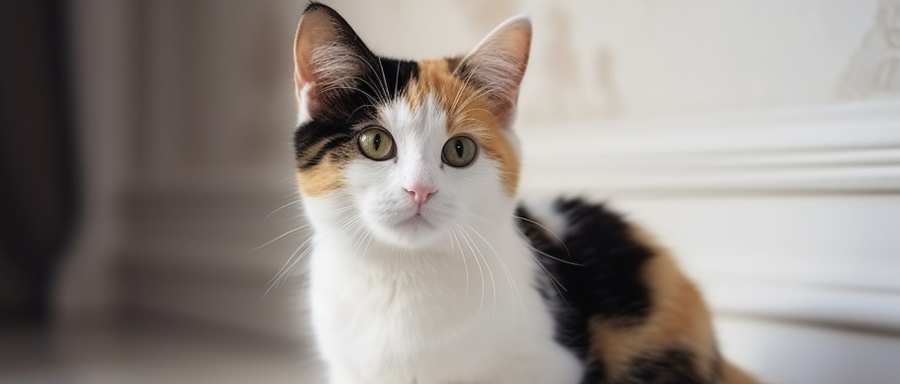
Peonies are not toxic to cats, but they can cause mild gastrointestinal upset if ingested.
Peonies are a beloved garden flower, known for their lush blooms and delightful fragrance. However, for cat owners, the question often arises: Are peonies dangerous for cats? Understanding the potential risks associated with various plants is crucial for keeping our furry friends safe.
The Basics of Peonies
Peonies belong to the genus Paeonia and are native to Europe, North America, and Asia. They come in several varieties, including herbaceous peonies and tree peonies. These flowers bloom from late spring to early summer and can be found in an array of colors such as pink, white, red, and yellow. Their beauty makes them a popular choice for gardens and floral arrangements.
While they’re stunning additions to any landscape, it’s essential to recognize their effects on pets. Many common plants can pose risks to animals, and knowing which ones are safe is vital for any pet owner.
Are Peonies Toxic?
One of the most reassuring aspects of peonies is that they are not classified as toxic to cats by the ASPCA (American Society for the Prevention of Cruelty to Animals). This means that if a cat happens to nibble on a peony leaf or flower petal, it is unlikely to result in severe health issues. However, this doesn’t mean that they are entirely harmless.
While peonies do not contain harmful toxins that could lead to poisoning in cats, ingestion may still lead to some gastrointestinal distress. Symptoms can include vomiting or diarrhea. Any pet owner should monitor their cats closely if they suspect ingestion of any plant material.
Symptoms of Ingestion
If a cat ingests parts of a peony plant, it may exhibit certain symptoms that indicate gastrointestinal upset. These symptoms can vary in severity depending on the amount ingested and the individual cat’s sensitivity. Common signs include:
- Vomiting: This is one of the most common reactions when cats consume something that doesn’t agree with them.
- Diarrhea: Loose stools may occur as the digestive system reacts.
- Lethargy: A cat may appear more tired or less active than usual.
- Loss of Appetite: If a cat feels unwell after eating something it shouldn’t have, it might refuse food.
If these symptoms persist or worsen, it’s essential to consult a veterinarian promptly.
Safe Alternatives for Cat Owners
For those who love gardening but also have feline companions at home, choosing pet-safe plants is crucial. While peonies are relatively safe compared to other ornamental plants, many alternatives can provide beauty without risk:
Pet-Safe Flowers
1. Roses: These classic blooms add elegance without posing significant risks.
2. Sunflowers: Bright and cheerful; these flowers are non-toxic.
3. Marigolds: Known for their vibrant colors and pest-repelling properties.
4. Snapdragons: Fun shapes and colors that are safe for cats.
Pet-Safe Foliage Plants
1. Spider Plant: Hardy and easy to care for; cats often enjoy playing with its leaves.
2. Boston Fern: A lush addition that poses no threat.
3. Areca Palm: Adds tropical flair while being non-toxic.
Choosing these alternatives allows cat owners to enjoy gardening without worrying about their pets’ safety.
Preventing Plant Ingestion
Even with non-toxic plants like peonies, it’s wise to take precautions if there’s a chance your cat might chew on them out of curiosity or boredom. Here are some strategies:
- Location Matters: Place plants out of reach from curious paws or consider hanging baskets.
- Provide Alternatives: Offer your cat designated cat grass or safe herbs like basil or parsley as an alternative chewing option.
- Training Techniques: Use positive reinforcement techniques to train your cat not to chew on houseplants.
Creating an environment where your cat has access to safe options while keeping harmful ones out of reach can help maintain peace between your love for gardening and your furry friend’s safety.
The Importance of Awareness
Being informed about which plants are safe versus those that pose risks can significantly enhance the well-being of both pets and their owners. Researching plant toxicity before introducing new varieties into your home or garden ensures informed decisions.
Many resources are available online through veterinary associations or pet safety organizations that provide comprehensive lists of toxic and non-toxic plants.
Conclusion – Are Peonies Dangerous For Cats?
In summary, while peonies are not toxic to cats and generally considered safe when consumed in small amounts, they can cause mild digestive upset if ingested in larger quantities. It’s always best practice for pet owners to keep an eye on their feline friends around any type of plant life—especially those known for being nibbled on out of curiosity.
By opting for pet-safe alternatives and taking preventive measures against unwanted plant ingestion, I can create a harmonious living environment where both my love for beautiful flowers and my concern for my cat’s safety coexist peacefully.
In conclusion, understanding whether “Are Peonies Dangerous For Cats?” leads us not only toward awareness but also toward responsible pet ownership—ensuring our homes remain beautiful yet safe havens for our beloved companions.