
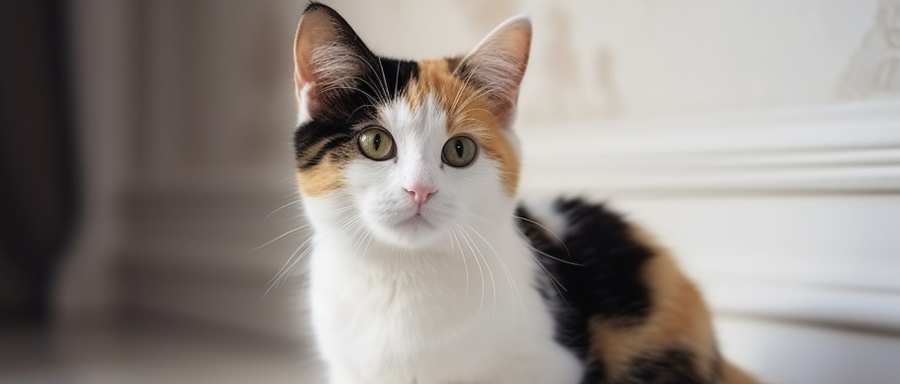
Pine cones can pose risks to cats, including choking hazards and digestive issues if ingested.
Cats are curious creatures. They love to explore their surroundings, and that often includes nibbling on things they shouldn’t. One item that frequently catches their attention is pine cones. These natural objects can be found in many backyards and parks, leading cat owners to wonder: Are pine cones bad for cats?
Understanding the potential dangers of pine cones is essential for keeping feline friends safe. While pine cones may seem innocuous, they can lead to various health issues if ingested or played with improperly. In this article, I’ll delve into the details surrounding pine cones and their effects on cats, providing insights that every cat owner should know.
The Composition of Pine Cones
Pine cones are the reproductive structures of pine trees, serving as a protective casing for seeds. They contain a variety of compounds that contribute to their structure and function. The outer layer is made up of tough scales that protect the seeds inside. These scales are not only hard but can also be sharp, which poses a risk if a cat tries to chew them.
In addition to physical properties, pine cones can contain resin and oils that might not be safe for cats. While these substances are generally not toxic in small amounts, ingestion could lead to gastrointestinal upset or allergic reactions in sensitive pets.
It’s worth noting that different species of pine trees produce different types of pine cones. Some may have more potent compounds than others, which can influence their safety for pets.
Common Risks Associated with Pine Cones
The risks associated with pine cones primarily stem from two factors: physical injury and toxicity.
Physical Injury
Pine cones have sharp edges and hard surfaces that can cause injuries in several ways:
- Choking Hazard: Cats love to bat around small objects. If a cat bites off a piece of a pine cone, it could choke on it.
- Cuts and Scrapes: The sharp scales on a pine cone can injure a cat’s mouth or paws if they try to chew or paw at them.
- Digestive Blockage: Ingesting larger pieces could lead to blockages in the digestive tract, which is a serious medical emergency requiring immediate veterinary attention.
Toxicity Concerns
While most cats will not experience severe toxicity from consuming small amounts of pine cone material, there are still concerns:
- Gastrointestinal Upset: Ingesting any foreign object can upset a cat’s stomach. Symptoms like vomiting or diarrhea might occur after consuming parts of a pine cone.
- Allergic Reactions: Some cats may have specific allergies or sensitivities to certain plants or tree resins found in pine cones, leading to more severe reactions.
It’s crucial for cat owners to monitor their pets’ behavior around these natural items.
Signs Your Cat May Have Ingested Pine Cone Material
If there’s any suspicion that your cat has ingested part of a pine cone, being vigilant about potential symptoms is vital. Here are some signs that may indicate trouble:
- Vomiting: Frequent vomiting may suggest irritation in the stomach.
- Diarrhea: Loose stools can indicate gastrointestinal distress.
- Loss of Appetite: If your cat suddenly stops eating or shows disinterest in food, it could be due to discomfort.
- Lethargy: A lack of energy or unusual sleeping patterns might signal an underlying issue.
- Coughing or Gagging: This could indicate choking or irritation in the throat.
If any of these symptoms arise after your cat has been around pine cones, seeking veterinary advice promptly is essential.
Alternatives for Cats Who Love to Chew
Cats often enjoy chewing on various items as part of their natural behavior. Instead of allowing access to potentially harmful items like pine cones, there are safer alternatives available:
Cat Grass
Cat grass is an excellent option for indoor cats who crave greenery. It’s safe for them to chew on and provides some digestive benefits as well.
Catnip Toys
Many cats love catnip-filled toys. These provide stimulation without the risks associated with natural objects like pine cones.
Safe Chew Toys
There are many commercially available chew toys designed specifically for cats. Look for those made from safe materials that won’t splinter or break apart easily.
By providing safe alternatives, I can help satisfy my cat’s chewing instincts without putting them at risk.
What Should You Do If Your Cat Eats Pine Cone Material?
If it becomes clear that your cat has ingested part of a pine cone, acting quickly is crucial:
1. Assess the Situation: Determine how much was consumed and whether your cat is showing any symptoms.
2. Contact Your Veterinarian: Even if your cat seems fine initially, it’s wise to consult with a veterinarian who can provide guidance based on the situation’s specifics.
3. Monitor Symptoms: Keep an eye on your pet over the next 24 hours for any signs of distress or illness.
4. Prevent Future Incidents: Remove any accessible pine cones from around your home and yard to prevent future incidents.
Taking swift action ensures my furry friend gets the help they need while minimizing potential harm.
The Role of Education in Pet Safety
Understanding what’s safe and what isn’t plays an essential role in keeping pets healthy and happy. Many pet owners might not realize certain plants or objects pose risks until it’s too late.
Educating oneself about common household items—like pine cones—is vital for responsible pet ownership. Knowledge empowers me as an owner to create a safer environment for my beloved feline companion.
Regularly researching pet safety topics helps me stay informed about potential hazards within my home environment—especially when it comes to natural items like plants and trees.
Pine Trees and Cats: A Broader Perspective
Besides just the dangers posed by pine cones themselves, it’s also important to consider other aspects related to living near pine trees:
1. Resin Exposure: Pine trees produce sap (resin), which can be sticky and irritating if it gets on my cat’s fur or skin.
2. Pollen Allergies: Just like humans, some cats may suffer from allergies related to pollen produced by coniferous trees during certain seasons.
3. Falling Debris: Branches or other debris falling from trees during storms could pose injuries as well; keeping outdoor areas clear helps ensure safety.
Being mindful about these additional factors allows me not just to focus on individual items but also consider broader environmental influences on my pet’s health.
Conclusion – Are Pine Cones Bad For Cats?
The question remains—are pine cones bad for cats? The answer leans toward “yes,” considering both physical risks and potential toxicity concerns associated with these natural objects.
While they might seem harmless at first glance, allowing access could lead my curious feline into dangerous territory—whether through choking hazards or digestive issues stemming from ingestion.
By staying informed about what’s safe—and providing alternative options—I can ensure my furry friend leads a happy life free from unnecessary risks associated with common backyard finds like pine cones!