
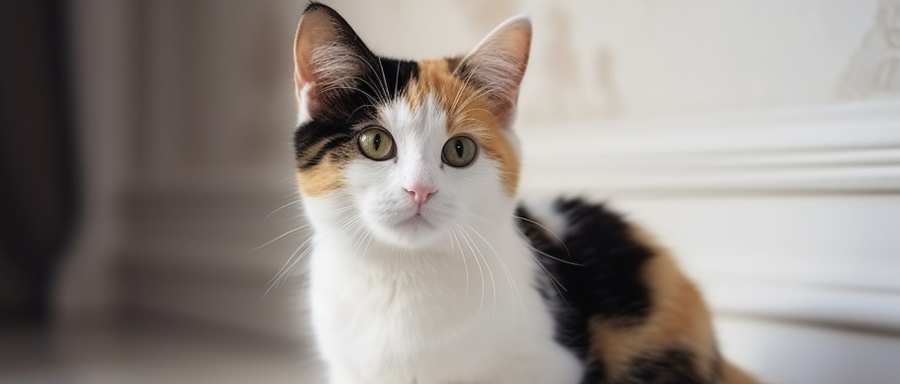
Pineapple Bromeliads are not toxic to cats, making them a safe choice for households with feline companions.
The Fascinating World of Pineapple Bromeliads
Pineapple bromeliads, scientifically known as Ananas comosus, are not just visually striking plants; they also hold a unique place in the plant kingdom. Belonging to the Bromeliaceae family, these tropical plants flourish in warm and humid environments. Their vibrant foliage and stunning fruit make them popular choices for home decor and gardens alike. The pineapple plant is notable for its rosette of spiky leaves that can add a touch of the exotic to any space.
Interestingly, these plants are epiphytes, meaning they can grow on other surfaces without harming them. This characteristic allows them to thrive in various environments, from rainforests to urban gardens, where they can be seen growing on trees or even rocks. The pineapple itself is a fascinating fruit; it’s actually a collective of multiple berries fused together around a central core.
One of the most appealing aspects of pineapple bromeliads is their low maintenance requirements. They need minimal watering and can survive in less-than-ideal soil conditions. This makes them an excellent option for both novice and experienced plant enthusiasts. However, despite their easy-going nature, questions often arise regarding their safety for pets, particularly cats.
Understanding Plant Toxicity
Before diving deeper into the specifics of pineapple bromeliads and their relationship with cats, it’s essential to grasp the concept of plant toxicity. Toxicity in plants is determined by the presence of certain compounds that can cause harmful effects when ingested by animals or humans. These compounds can vary widely in type and potency.
In general, plant toxins fall into two categories: systemic and irritants. Systemic toxins affect the entire body when ingested, leading to severe health issues or even death. Irritants might cause localized reactions like vomiting or diarrhea but are usually less severe than systemic toxins.
When it comes to houseplants and pets, many pet owners worry about which plants are safe and which ones pose a risk. Fortunately, understanding toxicity levels can help guide decisions about which plants to bring into homes with furry friends.
Are Pineapple Bromeliad Toxic To Cats?
The primary question that arises is whether pineapple bromeliads pose any danger to cats. The answer is reassuring: no, pineapple bromeliads are not toxic to cats! This means that if a curious cat decides to nibble on the leaves or even play with the plant, there’s little cause for alarm.
While many common houseplants carry varying degrees of toxicity for pets—such as lilies or philodendrons—pineapple bromeliads do not contain harmful compounds that would affect feline health negatively. This aspect makes them an attractive option for cat owners who want greenery in their homes without worrying about potential dangers.
However, just because pineapple bromeliads aren’t toxic doesn’t mean they should be consumed in large quantities. While mild ingestion may not cause harm, excessive consumption could lead to gastrointestinal discomfort in cats, such as vomiting or diarrhea.
Benefits of Having Pineapple Bromeliads at Home
Incorporating pineapple bromeliads into home decor offers numerous benefits beyond their non-toxic nature concerning cats. Here’s a closer look at some advantages:
Aesthetic Appeal
Pineapple bromeliads are visually striking plants with unique shapes and colors that can enhance any room’s decor. Their vibrant green leaves contrasted with the bright yellow fruit create an eye-catching display that adds life and energy to spaces.
Air Purification
Like many other houseplants, pineapple bromeliads contribute positively to indoor air quality by absorbing carbon dioxide and releasing oxygen during photosynthesis. They can also help filter out common indoor pollutants.
Low Maintenance Requirements
These plants thrive on neglect! With minimal watering needs and adaptability to various light conditions—from bright indirect light to partial shade—pineapple bromeliads are perfect for busy individuals or those new to gardening.
Educational Opportunities
Having pineapple bromeliads at home provides great opportunities for teaching children about botany and ecology. Observing how these plants grow can spark curiosity about nature and encourage future generations to appreciate environmental stewardship.
Caring for Your Pineapple Bromeliad
Even though these plants are low maintenance, understanding how best to care for them ensures they thrive in your home environment.
Watering Needs
Pineapple bromeliads prefer well-draining soil that retains some moisture but doesn’t become soggy. It’s crucial not to overwater them; allowing the top inch of soil to dry out between waterings is generally sufficient.
During warmer months when growth accelerates, more frequent watering may be necessary compared to cooler months when growth slows down significantly.
Light Conditions
These tropical beauties enjoy bright indirect light but can tolerate lower light conditions as well. Direct sunlight may scorch their leaves; hence placing them near windows where they receive filtered light works best.
Soil Requirements
A well-draining potting mix is ideal for pineapple bromeliads since they don’t like sitting in waterlogged soil. A mixture designed specifically for orchids works wonderfully due its drainage properties while still retaining enough moisture.
Pineapple Bromeliad Varieties
Though Ananas comosus is the most recognized type of pineapple plant commonly found indoors or outdoors worldwide due its delicious fruit production capabilities; several other varieties exist within this species worth mentioning:
| Variety Name | Description |
|---|---|
| Ananas comosus var. bracteatus | Known as the “variegated pineapple,” this variety features strikingly patterned leaves with creamy white edges |
| Ananas comosus var. sativa | This variety produces larger fruits than typical pineapples; often cultivated commercially |
| Ananas comosus var. microstachys | A dwarf variety ideal for small spaces; produces smaller fruits but maintains attractive foliage |
Each variety offers unique characteristics while maintaining similar care requirements making them suitable options based on personal aesthetic preferences.
Potential Risks Despite Non-Toxicity
While it’s comforting knowing that pineapple bromeliads aren’t toxic to cats, there remain potential risks associated with having any houseplant around pets.
Cats are naturally curious creatures who love exploring their surroundings—this includes chewing on leaves or playing with dangling vines! Although ingestion might not result in poisoning symptoms from eating non-toxic plants like pineapples; it could still lead to minor digestive upset if consumed excessively.
Moreover, certain materials used in potting mixes may contain fertilizers or pesticides harmful if ingested by pets—even if those substances aren’t directly related specifically towards individual plant types themselves! Always opt for organic options wherever possible when choosing products meant for indoor gardening purposes!
Signs Your Cat May Be Unwell After Plant Interaction
Even though pineapple bromeliads aren’t toxic doesn’t mean one should ignore signs indicating something might be off with a furry friend after interacting with any type of vegetation!
Some common symptoms include:
- Vomiting: If your cat vomits shortly after nibbling on any plant material (even non-toxic), it could indicate irritation.
- Diarrhea: Loose stools may occur due excessive fiber intake from consuming large amounts foliage.
- Lethargy: A sudden change in energy levels could signal discomfort or illness requiring attention.
- Loss Of Appetite: If your cat refuses food after contact with a plant—it’s worth monitoring closely!
If any concerning symptoms arise following contact with any houseplant—including non-toxic varieties like pineapple bromeliads—consultation with a veterinarian remains advisable!
Conclusion – Are Pineapple Bromeliad Toxic To Cats?
In conclusion, it’s clear that pineapple bromeliads pose no toxic threat towards our feline companions! Their vibrant appearance combined with easy care makes them an excellent choice for households featuring curious kitties looking for indoor greenery without fear of harm! Understanding how best nurture these beautiful plants ensures both enjoyment within living spaces along side beloved pets—creating harmonious environments filled joy!