
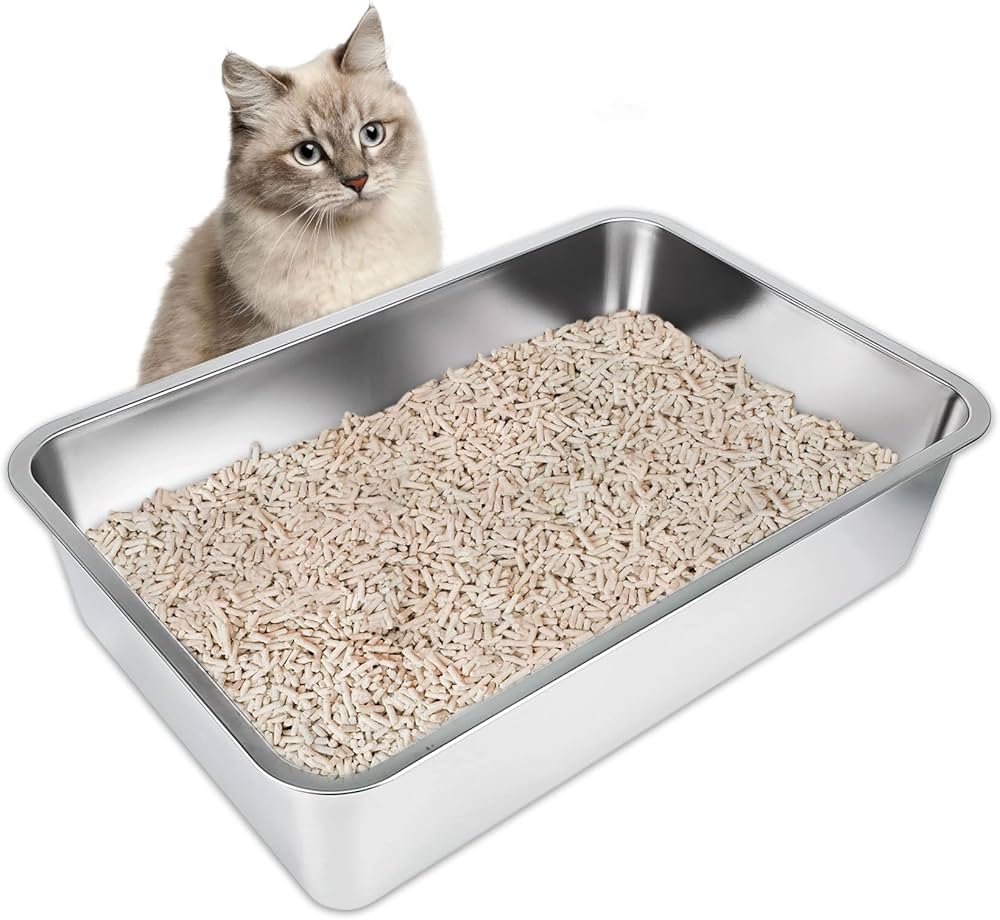
Pellets can be a more sustainable and absorbent option than traditional cat litter, offering benefits for both cats and their owners.
Choosing the right litter for a cat can feel overwhelming. With so many options available on the market, it’s easy to get lost in the sea of choices. One option that has gained popularity in recent years is pellet cat litter. This alternative to traditional clay or clumping litters is made from various materials, including wood, paper, and corn. The question arises: Are pellets better than cat litter?
Understanding the differences between pellet litter and conventional options is crucial for making an informed decision. In this article, I’ll explore the pros and cons of pellet cat litter, its environmental impact, cost-effectiveness, and how it compares to traditional litters.
What Are Pellet Cat Litters?
Pellet cat litters come in various forms, primarily made from compressed materials like wood, paper, or corn. These pellets are designed to absorb moisture and control odors effectively. Unlike traditional clumping litters that form solid clumps when wet, pellet litters typically absorb moisture into the pellets themselves.
The texture of pellet litter is different too. Instead of fine granules that can easily scatter outside the litter box, pellets tend to stay more contained due to their larger size. This can lead to less mess around the house.
Types of Pellet Litters
There are several types of pellet litters available, each with unique properties:
1. Wood Pellets: Made from compressed sawdust or wood shavings. They are biodegradable and often have a pleasant natural scent.
2. Paper Pellets: Created from recycled paper products. These are highly absorbent and dust-free, making them suitable for cats with respiratory issues.
3. Corn Pellets: Derived from ground corn kernels. They are biodegradable and usually clump when wet.
4. Other Plant-Based Pellets: Some brands use other plant materials like wheat or coconut husks.
Each type has its own set of advantages and disadvantages.
Pros of Using Pellet Cat Litter
Pellet cat litters have several benefits that make them an attractive option for many cat owners.
1. Absorbency
Pellet litters generally have excellent absorbent properties. The larger size allows them to soak up moisture efficiently without turning into mush like some clay litters do. This means less frequent changes are needed as they can hold more liquid before requiring replacement.
2. Odor Control
Many pellet litters excel at controlling odors due to their absorbent nature. Wood pellets, for instance, often have natural deodorizing properties that help neutralize smells effectively.
3. Less Dust
Traditional clay litters often produce dust when poured or when cats dig through them. This dust can be problematic for cats with respiratory issues or allergies. Pellet litters tend to produce significantly less dust, making them a better choice for sensitive cats and their owners.
4. Eco-Friendly Options
For environmentally conscious pet owners, many pellet litters are made from renewable resources like wood or recycled paper products. They are biodegradable and decompose more easily than traditional clay options, which can take years to break down in landfills.
5. Less Tracking
Due to their larger size and heavier weight compared to fine granules of traditional litter, pellets tend to stay in the box better and create less tracking around the house.
Cons of Using Pellet Cat Litter
Despite their advantages, there are also some drawbacks associated with pellet cat litter that should be considered.
1. Initial Cost
Pellet litters tend to be more expensive upfront compared to traditional clay options. While they may last longer between changes due to their absorbency, the initial investment can be higher.
2. Texture Preference
Some cats may not take to pellet litter as readily as others due to its different texture compared to traditional fine-grained litter. Cats often prefer finer textures that mimic soil; thus transitioning them might require some patience.
3. Clumping Issues
Most pellet litters do not clump in the same way as traditional clay litters do when wet; this can make it difficult for owners to scoop out waste effectively without changing all the pellets regularly.
Comparing Costs: Pellet vs Traditional Litter
Understanding the cost differences between pellet cat litter and traditional options is essential for budget-conscious pet owners. Below is a comparison table highlighting average costs per month based on average usage:
| Litter Type | Average Monthly Cost (Based on 1 Cat) |
|---|---|
| Pellet Cat Litter | $25-$35 |
| Clay Clumping Litter | $15-$25 |
| Pine Wood Litter | $20-$30 |
| Paper Litter | $20-$28 |
The costs shown above reflect average prices but may vary depending on brand preferences and local availability.
The Environmental Impact of Pellet Litters
As awareness grows regarding environmental sustainability, many pet owners seek eco-friendly alternatives for their furry friends’ needs—pellet cat litters fit this bill quite nicely! Being derived from sustainable materials means they leave a smaller carbon footprint compared to conventional clay options mined from non-renewable sources.
Wood pellets are particularly notable since they utilize byproducts from lumber production rather than cutting down trees specifically for litter purposes—this helps reduce waste while providing a natural product for pet care!
Paper-based alternatives also offer similar benefits by recycling materials that would otherwise end up in landfills—making them an excellent choice for environmentally conscious households aiming at reducing waste wherever possible!
User Experiences: Transitioning Cats To Pellets
Transitioning a cat from traditional litter to pellets might require some effort but can be worth it in terms of benefits! Many users report positive experiences after making this switch; however—each feline’s preference varies widely!
Here’s what some users shared about their experiences:
- Gradual Introduction: Mixing new pellets with existing litter over time allowed kitties time adjust slowly without feeling overwhelmed by sudden changes.
- Positive Response: Many noted improved odor control once switching over completely!
- Less Tracking: Users appreciated reduced tracking around their homes compared with previous fine-grained options!
While these stories highlight successful transitions—there’s no guarantee every kitty will adapt smoothly! Patience remains key during such adjustments!
Conclusion – Are Pellets Better Than Cat Litter?
In conclusion, evaluating whether pellets are better than traditional cat litter involves weighing individual needs against specific benefits offered by each type! For those looking for eco-friendly solutions with superior odor control—pellet options certainly shine bright!
However—it’s crucial always consider personal preferences alongside practical aspects such as cost-effectiveness before deciding what works best within one’s household! Ultimately—finding optimal solutions may involve trial-and-error until discovering what truly resonates most positively among both humans & felines alike!