
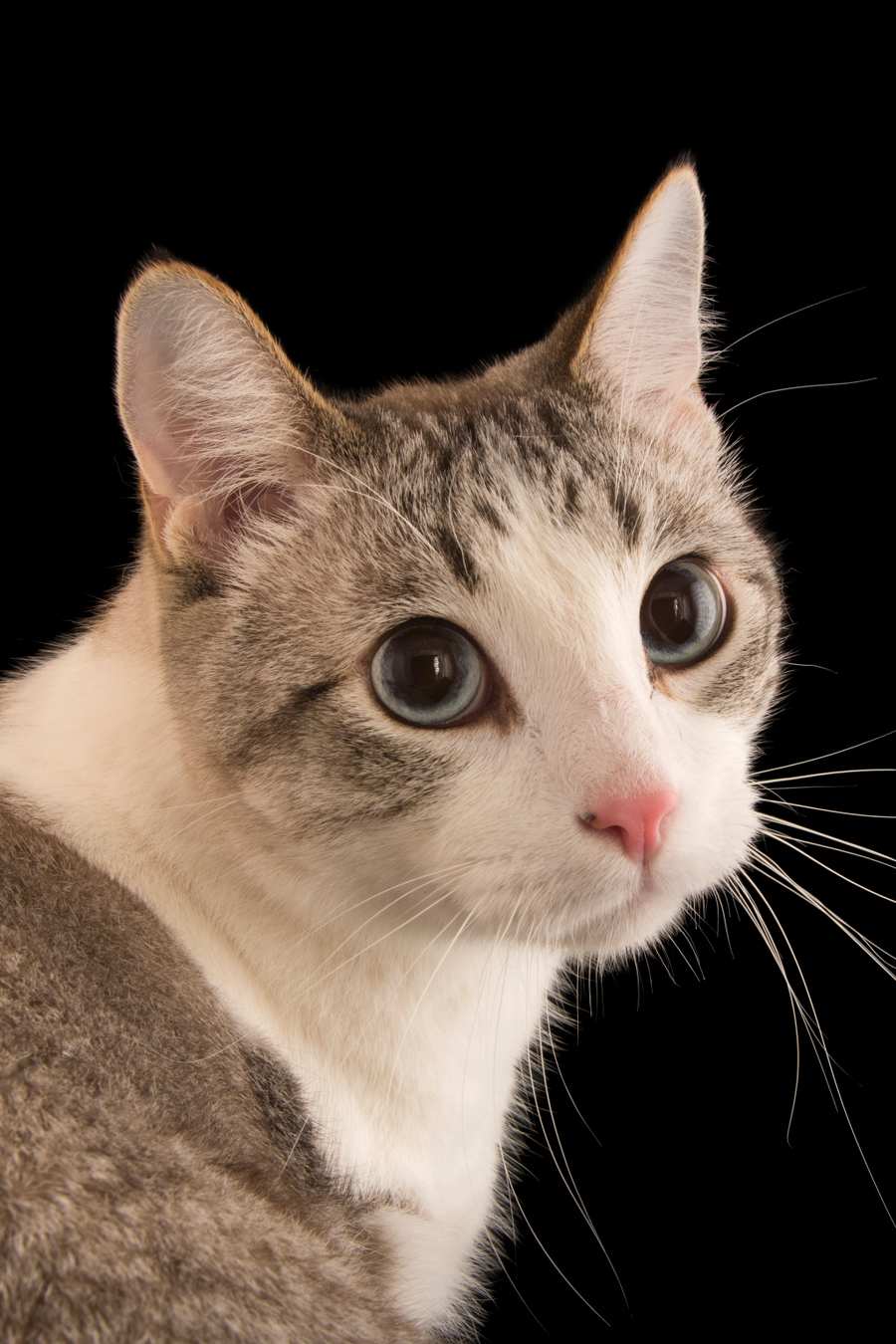
Catnip flowers are generally safe for cats and can provide enjoyable stimulation when used appropriately.
The Allure of Catnip: What Makes It So Special?
Catnip, or Nepeta cataria, is a member of the mint family and has captivated both cats and their owners for centuries. This herb contains a compound called nepetalactone that acts as a natural stimulant for many felines. When cats come into contact with catnip, whether through sniffing, chewing, or rolling in it, they often exhibit playful and euphoric behaviors. It’s fascinating to witness how a simple plant can elicit such joy in our furry companions.
The effects of catnip can vary significantly among individual cats. Approximately 50% to 70% of cats are affected by catnip; the sensitivity is hereditary. Kittens and elderly cats are less likely to respond to it, as the reaction typically develops around six months of age. The high lasts about 10 to 15 minutes before the cat loses interest. Afterward, it can take about an hour for them to regain their sensitivity to the herb.
Understanding why cats react this way helps pet owners appreciate the role that catnip plays in feline behavior. It’s not just a fun treat; it’s a part of their natural instincts.
Exploring the Safety of Catnip Flowers
When pondering the question, “Are Catnip Flowers Safe For Cats?”, it’s essential to consider several factors. Generally, catnip is safe for most cats when used in moderation. The flowers themselves are non-toxic and can even be beneficial in some cases. However, there are a few things to keep in mind.
Firstly, while catnip is safe for ingestion, excessive consumption may lead to mild gastrointestinal upset in some cases. Symptoms might include vomiting or diarrhea if a cat munches on too much of the plant. Therefore, moderation is key when introducing catnip flowers into a cat’s environment.
Secondly, it’s crucial to ensure that any catnip provided is free from pesticides or chemicals that could harm your pet. Opting for organic sources or growing your own can help mitigate this risk significantly.
Lastly, while most cats enjoy catnip without adverse effects, some may exhibit overly aggressive behavior or become overly stimulated. Observing your pet’s reaction when first introducing them to catnip flowers is wise.
The Benefits of Catnip Flowers
Catnip flowers offer several benefits beyond mere entertainment:
1. Natural Stimulation: The euphoric effects encourage physical activity and mental engagement.
2. Stress Relief: Catnip can help soothe anxious cats by providing an outlet for pent-up energy.
3. Social Interaction: Cats often engage more with their owners during playtime involving catnip.
4. Dental Health: Chewing on fresh catnip can aid in maintaining dental hygiene by reducing plaque buildup.
These benefits highlight why many pet owners choose to incorporate catnip into their pets’ lives.
How to Introduce Catnip Flowers Safely
Introducing catnip flowers into a feline’s routine should be done thoughtfully and gradually:
1. Start Small: Begin with a small amount of dried catnip or fresh leaves.
2. Observe Reactions: Watch how your cat reacts—if they seem overly excited or aggressive, it might be best to limit their exposure.
3. Create Positive Associations: Use toys filled with catnip or sprinkle some on scratching posts to encourage interaction.
4. Limit Frequency: To prevent desensitization, limit exposure to once every few weeks.
By following these steps, pet owners can ensure that their furry friends enjoy the benefits of catnip safely.
Common Misconceptions About Catnip
There are several myths surrounding catnip that deserve clarification:
- Myth 1: All Cats Love Catnip
While many cats respond positively to it, not all felines do due to genetic factors.
- Myth 2: Catnip Is Harmful
It’s a common misconception that catnip could harm cats; however, research shows it’s safe when consumed in moderation.
- Myth 3: Catnip Causes Addiction
Unlike substances that lead to dependency in humans or other animals, cats do not become addicted to catnip.
Understanding these misconceptions helps create informed discussions about feline care and well-being.
The Science Behind Cat Behavior and Catnip
The interaction between cats and catnip is not just whimsical; it’s rooted in science:
- Olfactory Response: Cats have an exceptional sense of smell—about 14 times stronger than humans—and nepetalactone binds with receptors in their nasal tissue.
- Behavioral Changes: This binding triggers receptors linked with pleasure centers in the brain—similar pathways activated by pheromones during mating behaviors.
- Duration of Effects: The excitement typically lasts about 10 minutes before diminishing due to receptor desensitization.
This biological response explains why some cats become playful while others display more subdued reactions like rolling over or purring contentedly after exposure.
Growing Your Own Catnip
For those interested in cultivating their own supply of this delightful herb, growing catnip is relatively easy:
1. Choose the Right Location: A sunny spot with well-drained soil works best.
2. Planting Seeds or Seedlings: Either method works fine; seeds should be planted about ¼ inch deep.
3. Watering Needs: Keep the soil moist but not soggy—overwatering can lead to root rot.
4. Harvesting Tips: Once plants reach about 12 inches tall, leaves and flowers can be harvested regularly without harming growth.
Growing your own ensures access to fresh herbs while also providing an enriching activity for both owner and pet.
Cat Treats Containing Catnip
Many commercial products incorporate catnip due to its popularity among felines:
| Product Type | Description | Benefits |
|---|---|---|
| Toys | Toys stuffed with dried catnip. | Encourages play and exercise. |
| Treats | Crispy treats infused with powdered catnip. | A tasty reward that stimulates interest. |
| Sprays | Cat-friendly spray made from concentrated extracts. | Easily applied on scratching posts or toys. |
These products allow pet owners flexibility when incorporating this herb into their pets’ lives while ensuring they remain engaged and active.
Potential Risks Associated With Overuse
While generally safe, overindulgence in any substance—including natural ones like catnip—can lead to undesirable outcomes:
- Behavioral Issues: Excessive excitement may lead some cats down paths of aggression or overstimulation.
- Gastrointestinal Distress: As mentioned earlier, consuming too much may cause vomiting or diarrhea.
- Desensitization Over Time: Frequent exposure can reduce sensitivity levels over time; hence limiting use is advisable.
By being mindful of these risks while still allowing enjoyment of this delightful herb ensures that its benefits outweigh any potential downsides.
Key Takeaways: Catnip Flowers
➤ Safety in Moderation: Catnip flowers are non-toxic but should be used carefully.
➤ Genetic Sensitivity: Not all cats react to catnip; sensitivity varies by genetics.
➤ Observe Behavior: Monitor your cat’s reaction to avoid overstimulation or aggression.
➤ Grow Organically: Ensure catnip is pesticide-free for a safe experience for your cat.
➤ Enjoy the Benefits: Catnip can enhance play, reduce stress, and promote bonding.
➤ Enjoy the Benefits: Catnip can enhance play, reduce stress, and promote bonding.
Frequently Asked Questions: Are Catnip Flowers Safe For Cats?
What are the effects of catnip flowers on cats?
Catnip flowers contain nepetalactone, which can induce a variety of reactions in cats. Most commonly, cats will exhibit playful behavior, such as rolling, purring, and increased activity. The effects typically last for about 10 to 15 minutes, after which the cat may lose interest temporarily. This reaction is not universal; approximately 50% to 70% of cats are affected due to genetic predisposition. Kittens and older cats may not respond at all, as sensitivity often develops around six months of age.
The responses can vary widely among individual cats. Some may become overly excited or aggressive, while others might simply relax and enjoy a gentle euphoria. It’s crucial for pet owners to monitor their pets’ reactions when introducing catnip flowers for the first time.
Are there any potential side effects of catnip flowers for cats?
While catnip flowers are generally safe, there are some potential side effects to consider. Excessive consumption can lead to mild gastrointestinal upset, including symptoms like vomiting or diarrhea. This is more likely if a cat ingests large amounts of the plant. Therefore, moderation is key when offering catnip flowers to your feline friend.
Additionally, some cats may react with heightened aggression or overstimulation. It’s advisable to observe your pet’s behavior closely after introducing catnip and adjust the frequency of exposure accordingly to avoid any negative experiences.
Can all cats enjoy catnip flowers safely?
No, not all cats will enjoy or respond positively to catnip flowers. Approximately 50% to 70% of felines exhibit a reaction due to genetic factors. Kittens under six months old and some older cats may not show any interest in catnip at all.
Additionally, while most cats can safely consume catnip in moderation, some might experience adverse effects like aggression or gastrointestinal distress if they consume too much. It’s essential for pet owners to gauge their individual cat’s response and adjust accordingly.
How should I introduce catnip flowers to my cat?
Introducing catnip flowers should be done gradually and thoughtfully. Start by offering a small amount of dried leaves or fresh flowers and observe your cat’s reaction closely. If they seem overly excited or aggressive, consider limiting their exposure.
You can also create positive associations by using toys filled with catnip or sprinkling it on scratching posts. Limiting exposure frequency is advisable as well; allowing your cat access once every few weeks helps prevent desensitization.
Is it safe to grow my own catnip flowers for my cat?
Yes, growing your own catnip flowers is safe and can be a rewarding experience for both you and your feline companion. Catnip is relatively easy to cultivate in a sunny spot with well-drained soil. You can plant seeds or seedlings about ¼ inch deep, ensuring the soil remains moist but not soggy.
This allows you access to fresh herbs while providing an enriching activity for you and your pet. Just be sure that any fertilizers used are pet-safe and that you monitor your plants for pests without harmful chemicals.
Conclusion – Are Catnip Flowers Safe For Cats?
In conclusion, answering “Are Catnip Flowers Safe For Cats?” reveals that they are indeed safe when used responsibly! This beloved herb offers numerous benefits such as stimulation and stress relief while being non-toxic for most felines. Understanding how best to introduce it into a pet’s life fosters positive experiences without negative consequences—allowing both owner and pet alike moments filled with joy!
Whether growing your own plants at home or purchasing commercial products infused with this exciting herb, embracing its presence enriches any feline household’s atmosphere!