
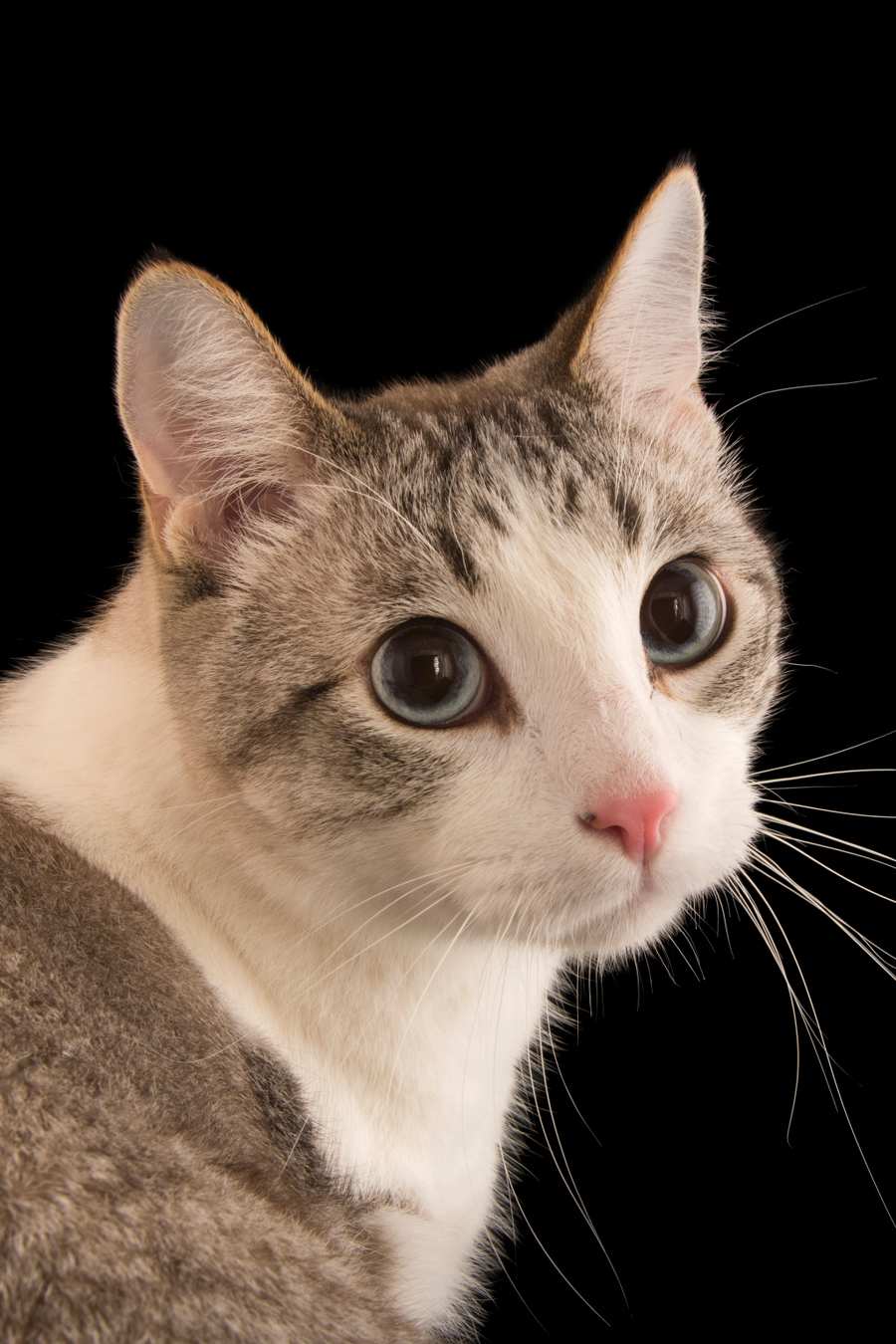
Many believe that cats exhibit behaviors and traits that make them seem otherworldly, leading to the question: Are cats alien species?
Cats have long fascinated humans, captivating our hearts with their playful antics and mysterious behaviors. From their enigmatic purring to their uncanny ability to sense emotions, it’s no wonder many people wonder about their origins. The question of whether cats are alien species has sparked countless discussions and theories. This article delves into the various aspects of feline behavior, genetics, and history to explore this intriguing concept.
The Origins of Domestic Cats
The journey of domestic cats began over 9,000 years ago in the Near East. They were drawn to human settlements by the abundance of rodents attracted to grain stores. As humans transitioned from a nomadic lifestyle to settled agriculture, they inadvertently created an environment where cats could thrive. The relationship formed was mutually beneficial; humans gained pest control while cats enjoyed a steady food source.
Interestingly, genetic studies reveal that domestic cats share a significant amount of DNA with wildcats, particularly the African wildcat (Felis lybica). This connection raises questions about how much of a domestic cat’s behavior is inherited from its wild ancestors and how much is influenced by human interaction. The traits we often associate with cats—independence, hunting prowess, and territoriality—are likely rooted in this shared lineage.
Unusual Behaviors: Are They Alien?
Cats exhibit a range of behaviors that can seem peculiar or even alien at times. For instance, their propensity for staring blankly at walls or chasing invisible objects can be puzzling. Many cat owners have witnessed their furry companions engaging in seemingly bizarre activities, such as:
- Chirping or Chattering: This vocalization often occurs when a cat spots birds or small animals outside. Some experts believe it mimics the sounds made by prey animals, possibly as a strategy to lure them closer.
- Kneading: Cats often knead soft surfaces with their paws, a behavior that originates from kittenhood when they kneaded their mother’s belly to stimulate milk flow. This action continues into adulthood as a sign of comfort and contentment.
- Purring: While purring is often associated with happiness, it can also occur when a cat is frightened or unwell. This multifaceted communication method adds another layer of complexity to feline behavior.
These behaviors leave many wondering if there’s something extraterrestrial about them. Could these quirks point to an otherworldly origin? Or are they simply evolutionary adaptations?
The Feline Brain: A Unique Perspective
The structure of a cat’s brain provides further insight into its behavior. With approximately 300 million neurons in their cerebral cortex—compared to around 160 million in dogs—cats possess remarkable cognitive abilities. This neurological complexity allows for advanced problem-solving skills and social interactions.
Research indicates that cats have distinct personality traits influenced by genetics and environment. Some may be more sociable while others prefer solitude; this variability contributes to the perception that they may not belong entirely on Earth. Their ability to form bonds yet maintain independence further complicates our understanding.
Table: Comparison of Feline and Canine Brain Structures
| Feature | Cats | Dogs |
|---|---|---|
| Number of Neurons | Approx. 300 million | Approx. 160 million |
| Social Structure | Pack-oriented | |
| Cognitive Abilities | Advanced problem-solving skills | Strong obedience and trainability |
| Communication Styles | Purring, chirping, body language | Barking, growling, body language |
This table illustrates some key differences between felines and canines regarding brain structure and behavior. Such distinctions highlight why some might perceive cats as having an almost alien quality.
Cultural Perspectives on Cats: Mythology and Folklore
Throughout history, various cultures have viewed cats through unique lenses—often attributing mystical qualities to them. Ancient Egyptians revered cats as sacred creatures associated with the goddess Bastet. They believed that these animals possessed protective powers against evil spirits.
In contrast, medieval Europe held mixed views on felines; while some saw them as companions, others associated them with witchcraft and superstition. These cultural narratives contribute to the notion that cats might be more than mere pets; perhaps they embody something otherworldly.
In modern times, internet culture has further fueled fascination with cats through memes and videos showcasing their quirky antics. This widespread adoration often emphasizes their peculiar behaviors as evidence of an alien connection.
The Science Behind Feline Traits: Genetic Studies
Genetic research has unveiled intriguing insights into why cats behave the way they do. A study published in Nature Communications explored specific genes linked to domestication traits in felines compared to wildcats.
One significant finding was related to the gene called “Tbx15,” which influences physical characteristics like coat color patterns and body size. Variations in this gene can lead to distinct appearances among different cat breeds—a factor that contributes to their diverse looks.
Additionally, scientists discovered genes associated with social behavior in domesticated cats compared to their wild counterparts. These genetic markers provide evidence for how selective breeding has shaped modern felines’ social structures over time.
Understanding these genetic underpinnings raises questions about what makes each breed unique—and whether certain traits could hint at an extraterrestrial influence on feline evolution.
The Hypothesis: Are Cats Alien Species?
Given all these factors—their unusual behaviors, unique brain structure, rich cultural history, and genetic variations—it’s easy for one’s imagination to run wild when considering whether cats might be alien species.
Some enthusiasts propose theories suggesting that ancient civilizations could have encountered extraterrestrial beings who left behind these enigmatic creatures as companions or guardians on Earth. While such ideas sound far-fetched, they reflect humanity’s desire for connection beyond our planet.
However, most scientists attribute feline characteristics primarily to evolution rather than extraterrestrial origins. The combination of natural selection and domestication has shaped modern-day housecats into what we know today—complex beings capable of forming deep bonds with humans while retaining independence reminiscent of their wild ancestors.
Ultimately though—whether one believes in aliens or not—the bond shared between humans and felines remains undeniably special.
Key Takeaways: Are Cats Alien Species?
➤ Fascinating Origins: Domestic cats began their journey over 9,000 years ago.
➤ Genetic Connection: Cats share significant DNA with wildcats, influencing behavior.
➤ Peculiar Behaviors: Actions like chirping and kneading spark alien-like theories.
➤ Cognitive Abilities: Cats have around 300 million neurons, showcasing intelligence.
➤ Cultural Perspectives: Various cultures view cats as mystical or otherworldly beings.
➤ Cultural Perspectives: Various cultures view cats as mystical or otherworldly beings.
Frequently Asked Questions: Are Cats Alien Species?
What unusual behaviors do cats exhibit that might suggest they are alien species?
Cats display a variety of behaviors that can seem perplexing or even alien to observers. For example, their tendency to stare at walls or chase invisible objects raises questions about their perception of reality. These actions may stem from their hunting instincts, where they are wired to detect subtle movements.
Additionally, behaviors like chirping when spotting birds or kneading soft surfaces for comfort contribute to this perception. Such quirks often lead people to wonder if these traits hint at a more extraordinary origin than mere evolution.
How do cultural perspectives shape the belief that cats could be alien species?
Cultural narratives significantly influence how we perceive cats. In ancient Egypt, felines were revered as sacred beings linked to the goddess Bastet, believed to offer protection against evil spirits. This association imbued them with mystical qualities.
Conversely, medieval Europe had mixed views; while some appreciated them as companions, others viewed them as symbols of witchcraft. These diverse cultural interpretations contribute to the ongoing fascination with cats and the idea that they might possess otherworldly traits.
What scientific evidence exists regarding the genetics of cats and their behaviors?
Recent genetic studies reveal fascinating insights into feline behavior. Research published in Nature Communications identifies specific genes linked to domestication traits, such as the “Tbx15” gene affecting coat color and size.
Moreover, variations in genes associated with social behavior highlight differences between domestic cats and their wild counterparts. This genetic foundation helps explain why certain breeds exhibit unique characteristics that may seem unusual or even alien to us.
How does a cat’s brain structure contribute to perceptions of them being alien species?
The brain structure of cats plays a crucial role in shaping their behavior and cognitive abilities. With approximately 300 million neurons in their cerebral cortex, cats possess advanced problem-solving skills compared to dogs, which have around 160 million neurons.
This neurological complexity allows for intricate social interactions and unique personality traits. Such cognitive capabilities enhance the perception that cats operate on a different level of awareness, further fueling theories about their potential extraterrestrial origins.
What is the general scientific consensus on whether cats could be alien species?
The prevailing scientific view attributes feline characteristics primarily to evolutionary processes rather than extraterrestrial origins. While some enthusiasts propose theories linking ancient civilizations with aliens and cats, most scientists emphasize natural selection and domestication as key factors in feline development.
This perspective maintains that the bond between humans and cats is rooted in shared history rather than any otherworldly connection. Ultimately, while speculation continues, evidence supports a more terrestrial explanation for our beloved pets’ unique traits.
Conclusion – Are Cats Alien Species?
The question “Are Cats Alien Species?” invites curiosity about our feline friends’ origins and behaviors without definitive answers emerging from scientific inquiry alone; it’s an exploration steeped in fascination!
Cats continue captivating our imaginations through their quirky actions while prompting us always consider deeper connections between ourselves—and perhaps even beyond earthly realms! Whether viewed through cultural lenses or scientific scrutiny—the allure surrounding these creatures persists endlessly!