
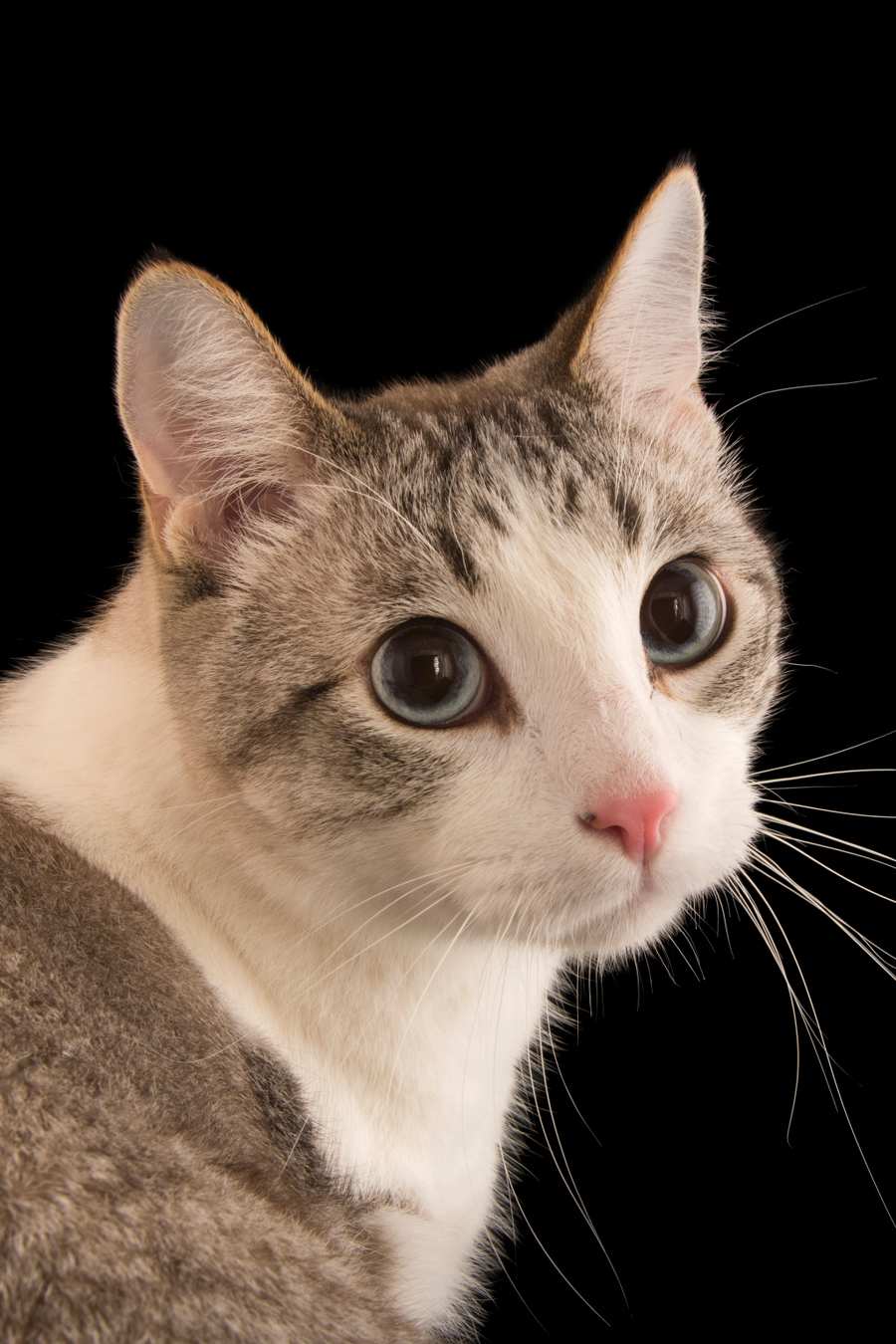
Cats can be sensitive to certain plants, but bonsai trees are generally safe for them.
Cats are known for their curious nature, often exploring every nook and cranny of their environment. This inquisitiveness can lead them to interact with various plants in the home, including bonsai trees. As a cat owner, it’s natural to wonder about the safety of these miniature trees. Are cats allergic to bonsai trees? This question deserves a thorough examination, as understanding potential allergens is crucial for maintaining a healthy home for both feline companions and their human caregivers.
The Allure of Bonsai Trees
Bonsai trees have captivated people for centuries. Originating in Japan and China, these tiny trees are not just plants; they are living art forms. The meticulous process of cultivating bonsai involves pruning, wiring, and shaping the tree to create a miniature version of its larger counterparts found in nature. Each tree tells a story through its shape and growth pattern, making them a popular choice for indoor decor.
The beauty of bonsai lies in its ability to bring a touch of nature indoors. For cat owners, this can be an appealing addition to the home. However, the question arises: could these lovely little trees pose any risks to our feline friends?
Understanding Cat Allergies
Before diving into the specifics of bonsai trees and their potential effects on cats, it’s essential to understand what allergies are. Allergies occur when the immune system reacts adversely to a substance that is typically harmless. In cats, common allergens include pollen, dust mites, mold spores, and certain foods. Symptoms can range from mild sneezing and itching to severe respiratory issues.
When it comes to plants, some species can cause allergic reactions in cats due to their pollen or other chemical compounds. Therefore, examining whether bonsai trees fall into this category is crucial.
Are Bonsai Trees Toxic?
One of the primary concerns regarding any plant around cats is toxicity. Fortunately, most bonsai trees are not toxic to cats. Common types of bonsai include Ficus (fig), Juniperus (juniper), and Acer (maple). According to the ASPCA’s list of toxic and non-toxic plants, these species are generally safe for cats.
However, even non-toxic plants can cause gastrointestinal upset if ingested in large quantities. Cats might be tempted to chew on leaves or bark out of curiosity or boredom. While this behavior is usually harmless with bonsai trees like Ficus or Juniperus, it’s still essential to monitor your cat’s interactions with any plant.
Common Symptoms of Plant Allergies in Cats
Recognizing the symptoms of allergies in cats is vital for prompt intervention. If a cat has an allergy—be it from pollen or another component—it may exhibit several signs:
- Itching: Excessive scratching or grooming can indicate an allergic reaction.
- Redness: Skin may appear red or inflamed.
- Sneezing: Frequent sneezing can signal respiratory issues.
- Watery Eyes: Allergies often lead to watery or irritated eyes.
- Lethargy: Affected cats may become less active than usual.
If any of these symptoms arise after bringing a bonsai tree into the home, it’s wise to consult with a veterinarian for further evaluation.
The Role of Pollen
One aspect that cannot be overlooked is pollen production from flowering plants. While most common bonsai species do not produce significant amounts of pollen compared to larger flowering plants outdoors, some species might still release enough pollen that could trigger allergic reactions in sensitive cats.
For example:
| Bonsai Species | Pollen Production | Toxicity Level |
|---|---|---|
| Ficus | Low | Non-toxic |
| Juniperus | Moderate | Non-toxic |
| Acer (Maple) | Low | Non-toxic |
| Carmona (Fukien Tea) | Moderate | Non-toxic |
| Pyrus (Pear) | High (in bloom) | Toxic if ingested in large quantities |
The table above illustrates that while many popular bonsai choices are relatively low in pollen production and non-toxic overall, there are exceptions—especially during flowering seasons.
Caring for Bonsai Trees with Cats Around
If you decide to keep bonsai trees at home while owning a cat—here are some tips for ensuring both your plant’s health and your cat’s safety:
Select Non-Toxic Varieties
Choosing non-toxic species is crucial when introducing any plant into a household with pets. Ficus and Juniperus make great choices as they not only thrive indoors but also pose minimal risks.
Create Boundaries
Cats love exploring new things! Setting boundaries around your bonsai can help prevent them from nibbling on leaves or digging in soil. Consider placing your bonsai on high shelves or enclosed spaces where your cat cannot reach them.
Mimic Natural Conditions Carefully
Bonsais require specific care regarding light exposure and humidity levels; however, avoid placing them where direct sun might create overly warm spots that could affect your pet’s comfort.
Monitor Interactions Closely
Keeping an eye on how your cat interacts with its environment will help catch any potential issues early on! Watch out for signs like excessive grooming near the plant area!
Avoid Chemical Treatments
If pest problems arise—use organic solutions rather than chemical pesticides that could harm both flora & fauna alike!
Key Takeaways: Cats and Bonsai Trees
➤ Safety of Bonsai Trees: Most bonsai species are non-toxic to cats.
➤ Monitor Interactions: Watch for excessive grooming or nibbling behavior.
➤ Pollen Production: Some bonsai may release pollen that can trigger allergies.
➤ Select Non-Toxic Varieties: Choose Ficus or Juniperus for a safer option.
➤ Caring Tips: Set boundaries and avoid chemical treatments around cats.
➤ Caring Tips: Set boundaries and avoid chemical treatments around cats.
Frequently Asked Questions: Are Cats Allergic To Bonsai Trees?
Can cats develop allergies specifically from bonsai trees?
Cats can develop allergies to various substances, but it is uncommon for them to be allergic specifically to bonsai trees. Most common bonsai species, such as Ficus and Juniperus, are considered non-toxic and produce minimal pollen. However, individual cats can have unique sensitivities. If a cat shows signs of an allergic reaction after being around a bonsai tree, it may not be the tree itself but other environmental factors contributing to its symptoms.
It’s essential for cat owners to monitor their pets closely for any changes in behavior or health after introducing new plants into the home. Consulting a veterinarian can provide insights tailored to the specific cat’s needs.
What are the symptoms of plant allergies in cats?
Symptoms of plant allergies in cats can vary widely but often include excessive itching, sneezing, and redness of the skin. Affected cats may also exhibit watery eyes and lethargy. These signs indicate that the immune system is reacting to an allergen, which could be pollen or other irritants present in the environment.
If a cat displays these symptoms after being exposed to a bonsai tree or any new plant, it’s crucial for owners to seek veterinary advice. Early detection and intervention can help manage any allergic reactions effectively.
Are all types of bonsai trees safe for cats?
While many popular bonsai species are safe for cats, not all types are equal in terms of safety. Common varieties like Ficus and Juniperus are non-toxic; however, some species like Pyrus (pear) can be toxic if ingested in large quantities. It’s important for cat owners to research specific types before introducing them into their homes.
Always ensure that the chosen bonsai is non-toxic and monitor your cat’s interactions with it closely. Even non-toxic plants can cause gastrointestinal upset if consumed excessively.
How can I prevent my cat from interacting with my bonsai trees?
To prevent your cat from interacting with bonsai trees, consider placing them on high shelves or within enclosed spaces that are out of reach. Creating physical barriers helps reduce curiosity-driven nibbling or digging behaviors that could harm either the plant or the pet.
Additionally, providing alternative forms of stimulation for your cat—like toys or scratching posts—can divert their attention away from your bonsai trees. Regularly monitoring their behavior will also help catch any unwanted interactions early.
What should I do if my cat eats part of a bonsai tree?
If your cat consumes part of a bonsai tree, assess which species it is first. Most common varieties like Ficus and Juniperus are non-toxic; however, ingestion can still lead to mild gastrointestinal upset. If the tree is toxic or if your cat shows signs of distress—such as vomiting or lethargy—immediate veterinary attention is necessary.
Even if the plant is considered safe, it’s always better to err on the side of caution and consult with a veterinarian about potential risks associated with ingestion.
The Bottom Line: Are Cats Allergic To Bonsai Trees?
Ultimately answering whether “Are Cats Allergic To Bonsai Trees?” leans towards no; however caution must be exercised as individual sensitivities vary greatly among felines! Though most popular varieties pose little risk—monitoring interactions remains key!
While it’s unlikely that most cats will develop allergies specifically related solely from exposure towards these miniaturized marvels—remaining vigilant ensures peace-of-mind knowing all family members remain safe & sound!
In conclusion—bonsais bring joy & beauty into homes but understanding their impact upon our furry companions helps maintain harmony within shared living spaces!