
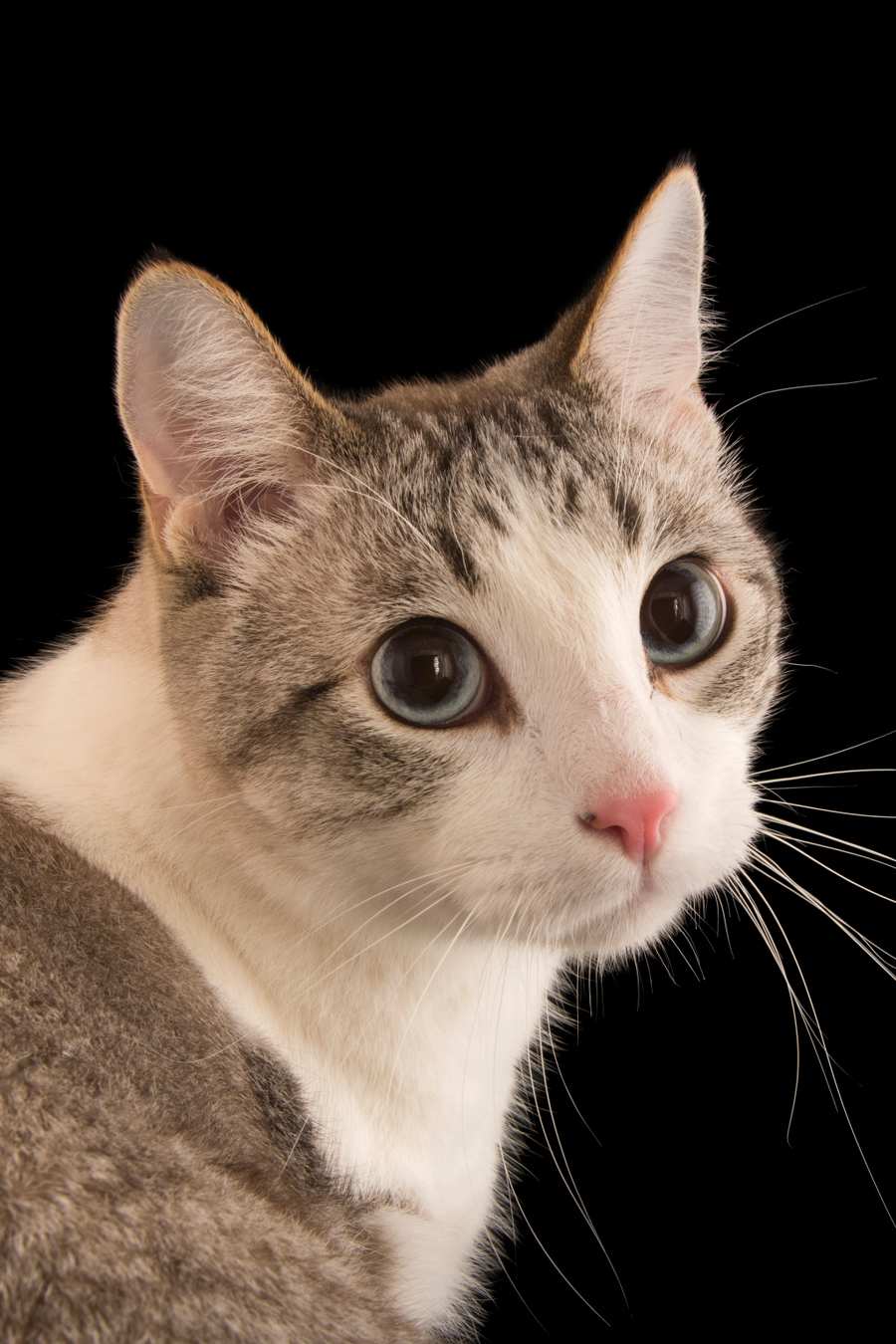
Cats are highly sensitive to Easter lilies, which can be toxic and potentially fatal if ingested.
Easter lilies are beautiful flowers often associated with the spring season and religious celebrations. However, for cat owners, these lovely blooms can pose a significant risk. The question “Are Cats Allergic To Easter Lilies?” is not just a matter of allergies; it’s about understanding the toxicity these plants hold for our feline friends.
Cats are known for their curious nature, often investigating new plants and flowers that enter their environment. Unfortunately, this curiosity can lead them to nibble on or ingest parts of the Easter lily, which can have dire consequences. Understanding the risks associated with these flowers is essential for every cat owner.
The Toxicity of Easter Lilies
Easter lilies belong to the Lilium genus, which includes several other species that are also toxic to cats. The primary concern with these plants is their ability to cause severe kidney damage in felines. Even small amounts of ingestion can lead to life-threatening conditions.
The toxicity is attributed to certain compounds found in the lily, which affect a cat’s kidneys and overall health. Symptoms may not appear immediately after ingestion, making it crucial for cat owners to be vigilant.
Common Symptoms of Lily Poisoning
If a cat has ingested any part of an Easter lily, prompt action is necessary. Here are some common symptoms that may indicate poisoning:
- Vomiting
- Loss of appetite
- Lethargy
- Increased thirst
- Frequent urination or lack of urination
These symptoms may start appearing within a few hours after ingestion but can sometimes take longer to manifest. If any of these signs are noticed, it’s imperative to seek veterinary assistance immediately.
Understanding How Cats Ingest Lilies
Cats often explore their surroundings using their mouths. This behavior makes them particularly susceptible to ingesting toxic plants like Easter lilies. They might chew on leaves or flowers out of curiosity or boredom.
Moreover, some cats are more prone to nibbling on houseplants than others, especially if they lack other forms of stimulation or if they’re feeling anxious or stressed. It’s not uncommon for indoor cats to engage with houseplants as a form of entertainment.
Preventative Measures for Cat Owners
Being proactive is key when it comes to protecting cats from toxic plants like Easter lilies. Here are some effective strategies:
1. Remove Toxic Plants: The best way to ensure your cat’s safety is by removing any Easter lilies from your home.
2. Educate Yourself: Familiarize yourself with other plants that are toxic to cats so you can make informed decisions about what to bring into your home.
3. Create a Safe Space: Designate areas in your home where your cat cannot access plants and flowers.
4. Provide Alternatives: Offer safe alternatives such as cat grass or non-toxic plants that your feline friend can enjoy without risk.
5. Use Deterrents: Consider using sprays or scents that deter cats from approaching certain areas where toxic plants might be located.
By taking these preventative measures, cat owners can significantly reduce the risk of accidental poisoning from Easter lilies and other hazardous plants.
What To Do If Your Cat Ingests an Easter Lily?
If there’s any suspicion that a cat has ingested part of an Easter lily, immediate action is crucial. Here’s what steps should be taken:
1. Assess the Situation: Try to determine how much and what part of the lily was ingested.
2. Contact Your Veterinarian: Reach out to your vet or an emergency animal poison control hotline for guidance on what steps to take next.
3. Do Not Induce Vomiting Without Guidance: Some substances can cause more harm if vomited back up; always seek professional advice first.
4. Follow Veterinary Instructions: If advised by a veterinarian, bring your cat in for examination and treatment as soon as possible.
Timely intervention can make all the difference in outcomes when it comes to lily poisoning in cats.
Understanding Treatment Options
Treatment will depend on how much time has passed since ingestion and the severity of symptoms observed in the cat:
- Induction of Vomiting: If ingestion was recent, veterinarians may induce vomiting.
- Activated Charcoal: This may be administered to limit further absorption of toxins into the bloodstream.
- Intravenous Fluids: To support kidney function and prevent dehydration caused by vomiting or diarrhea.
- Monitoring Kidney Function: Blood tests may be performed over several days post-ingestion to monitor kidney health closely.
The prognosis varies based on how quickly treatment begins; early intervention often leads to better outcomes.
Alternative Plants Safe for Cats
For those who love having greenery around but want safe options for their feline companions, there are plenty of non-toxic plants available:
| Plant Name | Description |
|---|---|
| Cat Grass | Safe and enjoyable for cats; helps digestion |
| Spider Plant | Hardy plant known for air purification |
| Boston Fern | Non-toxic option that’s easy to care for |
| Parlor Palm | Attractive foliage that’s safe for pets |
| Bamboo Palm | Adds tropical flair without toxicity |
These alternatives provide beauty and enjoyment without risking your cat’s health.
Creating a Cat-Friendly Environment
Designing a home that accommodates both aesthetics and pet safety requires careful consideration:
1. Choose Non-Toxic Decor: Opt for decorative pieces made from materials safe for pets.
2. Designate Spaces: Create areas where cats can play safely without access to harmful flora.
3. Engage Their Senses: Incorporate toys, scratching posts, and climbing structures that stimulate their natural instincts while keeping them away from dangerous items.
4. Educate Guests: Inform visitors about keeping potentially harmful items away from curious paws when they visit your home.
By fostering an environment tailored specifically for feline safety while still being visually appealing, it’s possible to enjoy both worlds harmoniously.
The Importance of Awareness Among Cat Owners
Raising awareness about common household dangers like Easter lilies among pet owners is critical in preventing accidents and ensuring feline well-being. Many people may not realize how dangerous certain plants can be until it’s too late; education plays a vital role here:
- Share information with fellow pet owners about plant toxicity.
- Advocate for awareness campaigns at local veterinary clinics or pet stores regarding safe plant choices.
- Utilize social media platforms as tools for spreading knowledge about pet safety concerning household items like flowers and plants.
Building a community focused on responsible pet ownership helps protect beloved animals from unnecessary risks associated with everyday items found at home.
Key Takeaways: Cats and Easter Lilies
➤ Cats are at risk: Easter lilies can be toxic and potentially fatal.
➤ Symptoms to watch: Vomiting, lethargy, and increased thirst indicate poisoning.
➤ Immediate action needed: Contact a vet if ingestion is suspected for guidance.
➤ Preventative measures: Remove toxic plants and provide safe alternatives for cats.
➤ Education is key: Awareness of plant toxicity helps protect our feline companions.
➤ Education is key: Awareness of plant toxicity helps protect our feline companions.
Frequently Asked Questions: Are Cats Allergic To Easter Lilies?
What are the symptoms of cats being allergic to Easter lilies?
Cats do not typically exhibit allergic reactions to Easter lilies, as the primary concern is their toxicity. If a cat ingests any part of an Easter lily, it may show symptoms of poisoning instead. Common signs include vomiting, loss of appetite, and lethargy. These symptoms can arise within hours or may take longer to manifest. It is crucial for cat owners to monitor their pets closely and seek veterinary assistance if they suspect ingestion.
Being aware of these symptoms can help in timely intervention, which is vital for the cat’s recovery.
Are there other plants that are toxic to cats like Easter lilies?
Yes, several plants share similar toxicity concerns with Easter lilies. For instance, tulips, daffodils, and other members of the Lilium genus can also be harmful to cats. These plants contain compounds that may lead to severe kidney damage or other health issues when ingested.
Cat owners should familiarize themselves with a comprehensive list of toxic plants to ensure a safe environment for their pets. Awareness is key in preventing accidental ingestion and subsequent health risks.
How can I keep my cat safe from Easter lilies?
To protect your cat from the dangers posed by Easter lilies, consider implementing several strategies. First, remove any toxic plants from your home, including Easter lilies. This is the most effective way to eliminate risk.
Second, educate yourself about other toxic plants and create a safe space where your cat cannot access potentially harmful flora. Providing safe alternatives like cat grass can also help satisfy their curiosity without risking their health.
If my cat ingests an Easter lily, what should I do?
If you suspect that your cat has ingested any part of an Easter lily, immediate action is essential. First, assess how much was consumed and what part it was. Then, contact your veterinarian or an emergency animal poison control hotline for guidance on next steps.
Avoid inducing vomiting unless specifically directed by a professional since some substances can cause more harm if expelled. Quick intervention can significantly influence the outcome in cases of lily poisoning.
What treatment options are available for cats that ingest Easter lilies?
Treatment for cats that have ingested Easter lilies depends on various factors such as how much time has passed since ingestion and the severity of symptoms observed. Common treatments include inducing vomiting, administering activated charcoal, and providing intravenous fluids.
The veterinarian may also monitor kidney function through blood tests over several days post-ingestion. Early intervention is crucial; swift action often leads to better outcomes for affected cats.
Conclusion – Are Cats Allergic To Easter Lilies?
In summary, understanding whether “Are Cats Allergic To Easter Lilies?” goes beyond allergies into recognizing serious toxicity risks posed by these beautiful yet dangerous plants. With proper education about potential hazards combined with proactive measures taken by responsible pet owners—like removing toxic flora from homes—cats can thrive safely alongside their humans without fear of accidental poisoning incidents occurring due simply because someone brought home an innocent-looking bouquet!
Being vigilant not only protects our furry friends but also fosters an atmosphere where they feel secure exploring their surroundings without encountering perilous threats lurking within seemingly harmless decorations around us every day!