
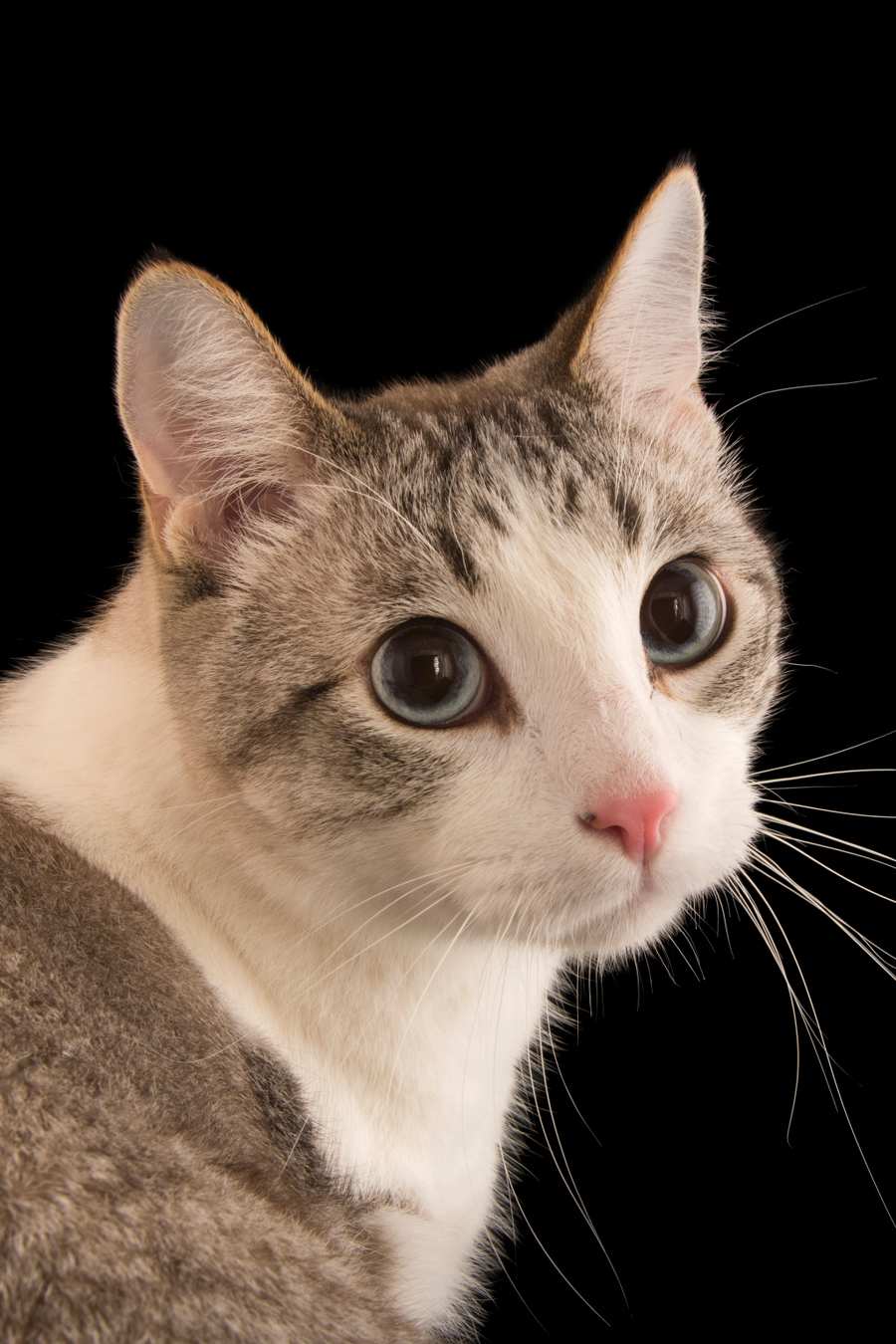
Many places allow cats to roam free, but laws vary widely depending on the location and community regulations.
Cats have a natural instinct to explore their surroundings. They love to chase after butterflies, climb trees, and bask in the sun. However, this innate behavior raises an important question: Are cats allowed to roam free? Understanding the implications of allowing cats to wander outside involves examining various factors, including safety, local laws, and the impact on wildlife.
The Instincts Behind Roaming
Cats are curious creatures by nature. Their instincts drive them to explore territories beyond their home. This behavior can be traced back to their wild ancestors, who roamed vast areas in search of food and shelter. Indoor cats often exhibit these instincts through play, climbing furniture, or watching birds from windows. Allowing them outside can fulfill their need for exploration and stimulation.
However, it’s essential to recognize that not all environments are safe for roaming cats. Urban areas present unique challenges such as busy roads, aggressive dogs, and potential exposure to diseases from other animals. These factors make it crucial for cat owners to weigh the pros and cons of letting their pets roam free.
Legal Considerations
Laws regarding free-roaming cats vary significantly across regions. In some places, local ordinances permit cats to roam freely as long as they do not cause disturbances or harm wildlife. In contrast, other areas impose restrictions or require owners to keep their cats indoors. Understanding these regulations is vital for responsible pet ownership.
For example:
| Location | Roaming Restrictions |
|---|---|
| California | Generally allowed; local ordinances may vary. |
| New York City | Must be kept indoors; strict penalties for stray cats. |
| Austin, Texas | Allowed with leash laws; must not disturb wildlife. |
| Toronto, Canada | Encouraged to keep indoors; fines for stray cats. |
Understanding local laws can prevent potential legal issues for cat owners. It’s always wise to check with local authorities or animal control agencies regarding specific regulations in a given area.
The Impact on Wildlife
One significant concern surrounding free-roaming cats is their impact on local wildlife populations. Cats are natural hunters and have been known to kill birds, small mammals, and reptiles. Studies indicate that outdoor cats contribute significantly to the decline of various species.
Research published by the American Bird Conservancy highlights that outdoor cats kill billions of birds annually in the United States alone. This alarming statistic raises ethical questions about allowing pets to roam freely in areas where they could threaten vulnerable wildlife populations.
While some argue that keeping cats indoors limits their natural behaviors and instincts, others contend that protecting native wildlife should take precedence over a cat’s desire for freedom. Striking a balance between these interests is crucial for responsible pet ownership.
Health Risks for Roaming Cats
Allowing a cat to roam freely exposes it to several health risks. Outdoor cats face dangers from traffic accidents, attacks by other animals, exposure to diseases such as feline leukemia or feline immunodeficiency virus (FIV), and parasites like fleas and ticks.
Outdoor environments also expose cats to harsh weather conditions—extreme heat or cold can lead to hypothermia or heatstroke if they cannot find shelter quickly enough. These health risks highlight the importance of considering whether it’s worth allowing a cat outside without supervision.
The Case for Indoors: Enrichment Alternatives
For many cat owners who choose not to let their pets roam free, providing indoor enrichment becomes essential in meeting their feline friends’ needs. Engaging indoor activities can stimulate a cat’s mind while keeping it safe from external dangers.
Some effective indoor enrichment strategies include:
- Toys: Interactive toys encourage play and mimic hunting behavior.
- Window Perches: Installing perches allows cats to observe the outside world without venturing out.
- Cattio: A secure outdoor enclosure provides fresh air while keeping them safe.
- Puzzles: Food-dispensing puzzles challenge their problem-solving skills.
Investing time into creating an enriching environment helps satisfy a cat’s natural instincts without compromising its safety or well-being.
The Role of Spaying/Neutering
Spaying or neutering plays a crucial role in managing free-roaming cat populations. Unaltered cats are more likely to wander far from home in search of mates, leading to unintended litters that contribute to overpopulation issues.
Many communities have implemented spay/neuter programs aimed at reducing stray populations while promoting responsible pet ownership practices among residents. These initiatives help mitigate the negative effects associated with roaming cats while ensuring public safety and animal welfare.
The Benefits of Keeping Cats Indoors
Keeping a cat indoors offers several benefits beyond safety concerns:
- Longevity: Indoor cats tend to live longer than outdoor ones due primarily to reduced exposure risks.
- Bonds with Owners: Spending more time together fosters stronger relationships between pets and owners.
- No Stray Issues: Keeping them inside prevents them from becoming strays themselves.
- Easier Monitoring: It’s easier for owners to monitor health conditions when pets remain indoors regularly.
These advantages make indoor living an appealing option for many cat owners seeking peace of mind regarding their furry companions’ well-being.
The Importance of Supervised Outings
For those who wish their felines could experience outdoor life safely without compromising security measures exist—supervised outings can provide an excellent solution! Using leashes or harnesses allows owners control over where their pets go while still giving them fresh air and stimulation outdoors.
Some tips for successful supervised outings include:
- Start Slow: Introduce your cat gradually; let them adjust before venturing further away from home.
- Select Safe Areas: Choose quiet parks or backyards away from busy streets where potential dangers lurk.
- Praise & Treats: Reward positive behavior during outings with treats; this builds confidence!
Supervised adventures create opportunities for exploration while ensuring safety remains paramount!
A Community Perspective on Roaming Cats
Community attitudes toward roaming cats vary widely based on cultural norms surrounding pet ownership responsibilities. Some neighborhoods embrace free-ranging felines as part of daily life—while others advocate strict containment policies due largely because of concerns about wildlife conservation efforts!
Engaging with neighbors about expectations surrounding roaming pets fosters understanding among residents—this dialogue encourages responsible practices while promoting harmony within communities!
It’s essential for every owner considering letting their furry friends explore outside responsibly engage with fellow community members about best practices regarding roaming policies—this collaboration benefits everyone involved!
Key Takeaways: Feline Freedom
➤ Legal Variations: Laws on roaming cats differ by location; check local rules.
➤ Wildlife Impact: Free-roaming cats can harm local wildlife populations significantly.
➤ Health Risks: Outdoor cats face dangers like traffic, diseases, and harsh weather.
➤ Indoor Enrichment: Provide engaging activities to satisfy cats’ natural instincts indoors.
➤ Supervised Outings: Use leashes for safe outdoor experiences without compromising safety.
➤ Supervised Outings: Use leashes for safe outdoor experiences without compromising safety.
Frequently Asked Questions: Are Cats Allowed To Roam Free?
What are the legal implications of allowing cats to roam free?
The legal implications of allowing cats to roam free vary significantly by location. Some areas have specific ordinances that permit cats to explore outdoors, while others impose strict restrictions requiring cats to be kept indoors. Violating these laws can lead to fines or other penalties. It is essential for cat owners to familiarize themselves with their local regulations, as ignorance of the law does not exempt them from potential consequences. Checking with local animal control or community guidelines can provide clarity on what is permissible.
Understanding these laws is crucial for responsible pet ownership. It helps prevent legal issues that could arise from letting a cat roam freely in areas where it is prohibited. Furthermore, being aware of local wildlife conservation efforts may influence decisions regarding outdoor access for pets.
How do free-roaming cats impact local wildlife populations?
Free-roaming cats have a significant impact on local wildlife populations. Studies indicate that outdoor cats are responsible for the deaths of billions of birds and small mammals each year in the United States alone. This predation can lead to declines in certain species, particularly those already vulnerable due to habitat loss and environmental changes.
Many conservationists argue that allowing cats to roam free poses an ethical dilemma, as it threatens biodiversity. Balancing the natural instincts of cats with the need to protect wildlife is crucial for responsible pet ownership. Community awareness and initiatives aimed at controlling cat populations can help mitigate these impacts while considering both animal welfare and ecological health.
What health risks do roaming cats face?
Roaming cats face numerous health risks that can significantly affect their well-being. Exposure to traffic accidents is a major concern, as many outdoor cats are injured or killed on roads. Additionally, they are at higher risk of attacks from other animals, including dogs or wild predators.
Outdoor environments also expose cats to various diseases such as feline leukemia, feline immunodeficiency virus (FIV), and parasites like fleas and ticks. These health threats highlight the importance of weighing the benefits of outdoor exploration against potential dangers when considering whether to allow a cat to roam freely.
What alternatives exist for indoor enrichment for cats?
For cat owners who choose not to allow their pets to roam free, several indoor enrichment alternatives can help satisfy their natural instincts. Engaging toys that mimic hunting behavior can keep indoor cats entertained and mentally stimulated. Interactive play sessions with laser pointers or feather wands also provide excellent exercise opportunities.
Creating vertical spaces with shelves or cat trees allows felines to climb and explore safely indoors. Additionally, window perches enable them to observe outdoor activity without direct exposure, fulfilling their curiosity while keeping them secure.
How can supervised outings benefit both cats and owners?
Supervised outings offer a safe way for cats to experience the outdoors while minimizing risks associated with roaming freely. Using leashes or harnesses allows owners control over where their pets go, ensuring they remain safe from traffic and aggressive animals.
These outings provide mental stimulation and physical exercise, contributing positively to a cat’s overall well-being. Owners benefit from observing their pets’ reactions in different environments, which strengthens the bond between them. Implementing gradual introductions and rewarding positive behavior during outdoor experiences can enhance this enjoyable activity.
The Bottom Line: Are Cats Allowed To Roam Free?
The question “Are Cats Allowed To Roam Free?” doesn’t have a simple answer—it depends largely upon individual circumstances including local laws community attitudes environmental considerations!
Responsible ownership involves weighing pros against cons before making decisions about whether allowing felines freedom outweighs potential risks associated with roaming outdoors! Each owner must evaluate what works best based on personal values lifestyle preferences ensuring both safety satisfaction remain priorities throughout!
Ultimately finding balance between fulfilling instinctual needs providing adequate protections against hazards becomes key when determining whether letting your beloved kitty roam freely aligns with overall wellbeing goals!
In conclusion: Are Cats Allowed To Roam Free? While many places permit it legally—responsible pet ownership requires careful consideration surrounding implications associated with such choices!