
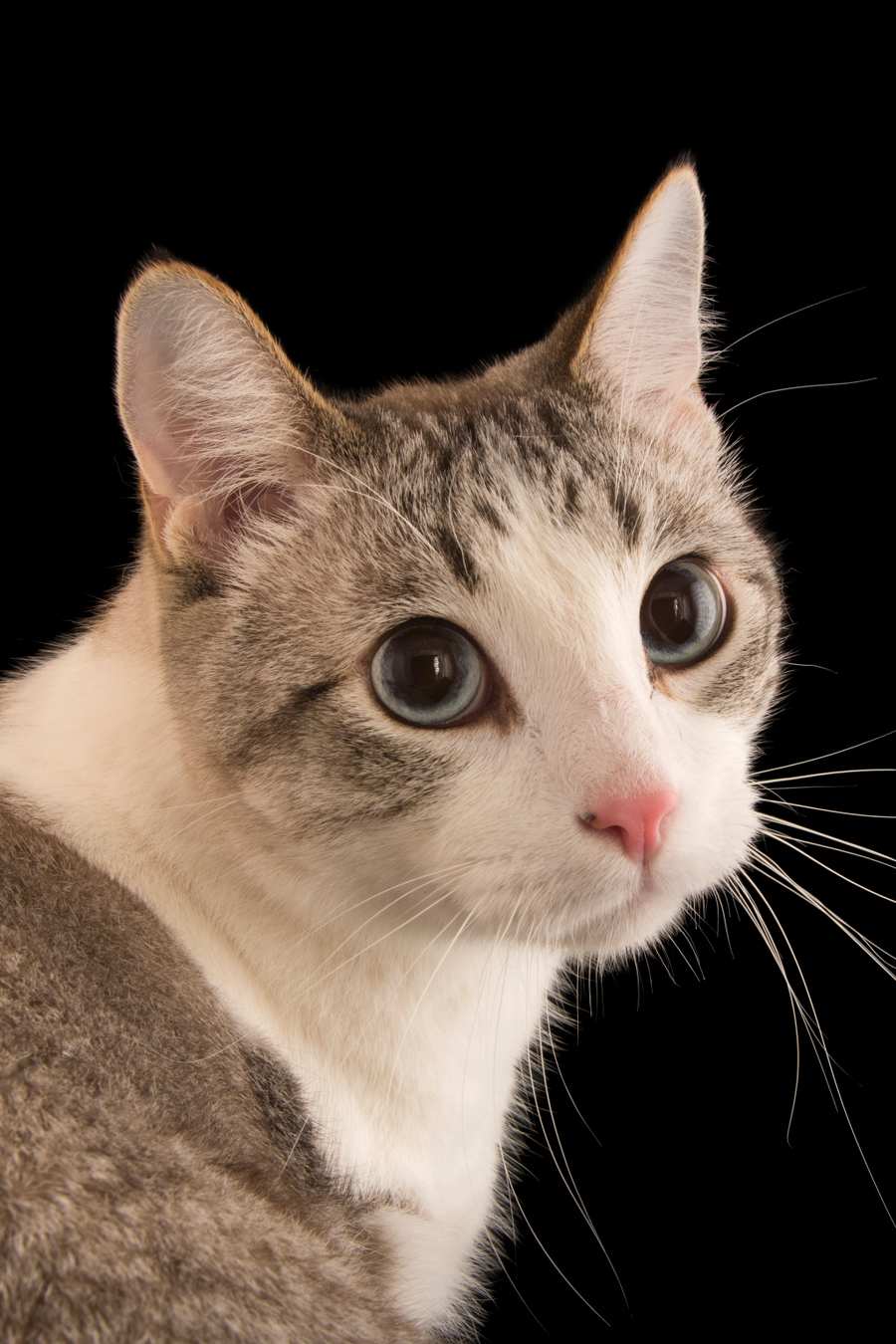
Cats are considered an invasive species in the US due to their impact on native wildlife and ecosystems.
Cats have been companions to humans for thousands of years, yet their role in the ecosystem is often overlooked. As charming as they are, house cats and feral cats can significantly affect local wildlife. The question of whether cats are an invasive species in the US is not just a matter of semantics; it has real implications for biodiversity and conservation efforts.
The Definition of Invasive Species
To understand why cats might be classified as invasive, it’s essential to define what an invasive species is. An invasive species is typically non-native to the ecosystem and causes harm to the environment, economy, or human health. They often outcompete native species for resources, disrupt food webs, and alter habitats.
In this context, house cats (Felis catus) fit the bill. They are not originally from North America; they were brought over by European settlers. Over time, they have adapted well to various environments across the continent, leading to concerns about their impact on local wildlife.
Population Statistics of Cats in the US
The sheer number of cats in the US adds weight to the argument that they are an invasive species. According to recent estimates:
| Category | Estimated Population |
|---|---|
| Pet Cats | 94 million |
| Feral Cats | 60-100 million |
| Total Cat Population | 154-194 million |
These numbers indicate a significant presence of cats across various habitats, raising alarms about their predation on native wildlife.
The Impact on Wildlife
Cats are natural hunters. Studies show that they hunt and kill billions of birds and small mammals each year in the US alone. A study published by the American Bird Conservancy estimated that outdoor cats kill approximately 2.4 billion birds annually. This figure is staggering when we consider that many bird species are already threatened or endangered.
The impact doesn’t stop at birds; mammals, reptiles, amphibians, and even insects fall victim to feline predation. The National Audubon Society has voiced concerns about how this predation affects local ecosystems, particularly in areas where certain species are already struggling for survival.
Case Studies: Local Extinctions Linked to Cats
Several case studies illustrate how cats contribute to local extinctions:
- Island Ecosystems: On islands like Guam and New Zealand, introduced species such as rats and cats have led to severe declines in indigenous bird populations.
- California’s Endangered Species: The California Least Tern and other shorebirds have seen population declines linked directly to cat predation.
These examples highlight how even a single species can alter an entire ecosystem’s balance.
The Debate Over Responsible Pet Ownership
As cat owners, there’s a responsibility that comes with pet ownership. Keeping cats indoors or providing secure outdoor enclosures can mitigate their hunting instincts while allowing them some fresh air. Feral cat colonies also pose a challenge; many people advocate for Trap-Neuter-Return (TNR) programs as a humane way to manage feral populations.
However, these solutions aren’t without controversy. Some argue that TNR allows feral cats to continue affecting local wildlife negatively while others believe it’s a compassionate approach that reduces overall cat populations over time.
The Role of Cat Owners in Conservation Efforts
Cat owners can play a crucial role in conservation efforts by:
- Keeping Cats Indoors: Indoor cats live longer and healthier lives while sparing local wildlife.
- Educating Others: Sharing knowledge about responsible pet ownership helps foster a culture of care.
- Supporting Local Wildlife Initiatives: Many organizations focus on protecting endangered species; supporting these initiatives can help counteract some negative impacts caused by domestic animals.
These actions can lead to healthier ecosystems while still allowing cat lovers to enjoy their pets.
The Economic Impact of Feral Cats
The presence of feral cat colonies isn’t just an ecological issue; it also poses economic challenges. Communities spend significant resources managing feral cat populations through animal control services or public health initiatives aimed at controlling rabies and other diseases associated with stray animals.
According to estimates from various municipalities, managing feral cat populations costs millions annually—money that could be redirected toward other community services or conservation efforts.
The Public Health Perspective
Feral cats also present public health risks due to potential disease transmission. Diseases like toxoplasmosis can spread through cat feces, posing risks especially for pregnant women or immunocompromised individuals.
Studies have shown that feral cats can harbor parasites and bacteria harmful not only to other animals but also humans. This aspect adds another layer of complexity when discussing whether cats should be viewed as invasive species within urban settings.
Legislation Surrounding Cat Management
Some states have begun implementing legislation aimed at controlling feral cat populations more effectively. These laws often include provisions for TNR programs as well as penalties for abandonment or neglect of pets.
While these measures reflect growing awareness about the issues surrounding outdoor cats, enforcement remains inconsistent across different regions. Advocacy groups continue pushing for more comprehensive policies addressing both pet ownership responsibilities and wildlife protection measures.
Community Involvement in Cat Management Solutions
Community involvement plays a crucial role in developing effective solutions for managing both pet and feral cat populations:
- Local Organizations: Many communities partner with local animal shelters or rescue groups focused on spaying/neutering programs.
- Educational Workshops: Hosting workshops about responsible pet ownership helps raise awareness among residents.
Engaging communities fosters collaboration between cat owners, wildlife advocates, and local governments toward shared goals—protecting both beloved pets and vulnerable ecosystems alike.
Global Perspectives on Felines as Invasive Species
While this discussion primarily focuses on the United States context surrounding domestic felines’ invasiveness—it’s important also consider global perspectives regarding similar issues arising elsewhere around world:
Countries like Australia face severe challenges from introduced mammals including housecats which threaten native marsupials such as bilbies or bandicoots—a situation prompting government intervention through strict regulations against free-roaming pets!
Understanding these international contexts provides valuable insights into how societies confront similar dilemmas regarding non-native animals impacting biodiversity globally!
Key Takeaways: Cats as Invasive Species
➤ Cats Impact Wildlife: Cats kill billions of birds and mammals yearly.
➤ High Population Numbers: The US has an estimated 154-194 million cats.
➤ Responsible Ownership Matters: Indoor cats protect wildlife and live longer.
➤ TNR Programs Are Controversial: They manage feral populations but raise concerns.
➤ Community Involvement Is Key: Local efforts can enhance wildlife conservation.
➤ Community Involvement Is Key: Local efforts can enhance wildlife conservation.
Frequently Asked Questions: Are Cats An Invasive Species In The Us?
What defines cats as an invasive species in the US?
The classification of cats as an invasive species in the US is based on their non-native status and detrimental effects on local ecosystems. Cats, specifically house cats (Felis catus), were introduced to North America by European settlers. Their hunting habits threaten various wildlife, including birds and small mammals.
Invasive species typically disrupt food chains and outcompete native species for resources. The ecological balance is at risk due to the significant predation by both pet and feral cats. This classification has prompted conservationists to advocate for responsible pet ownership to mitigate these impacts.
How do feral cat populations affect native wildlife?
Feral cat populations have a profound impact on native wildlife through predation. Studies estimate that outdoor cats kill billions of birds and small mammals annually in the United States. This predation contributes to declining populations of already threatened species.
The consequences are particularly severe in vulnerable ecosystems, such as islands, where native species have not evolved defenses against such predators. Conservation efforts are increasingly focused on managing feral cat populations to protect these at-risk species and restore ecological balance.
What measures can be taken to manage feral cat populations effectively?
Effective management of feral cat populations often involves community-based strategies like Trap-Neuter-Return (TNR) programs. These initiatives aim to humanely reduce feral cat numbers while allowing them to live out their lives without contributing further to wildlife predation.
Additionally, public education campaigns can raise awareness about responsible pet ownership, encouraging people to keep their cats indoors or in secure outdoor enclosures. These measures help protect local wildlife while also ensuring the health and safety of the cats themselves.
What role do cat owners play in conservation efforts?
Cat owners play a crucial role in conservation by implementing responsible practices that minimize their pets’ impact on wildlife. Keeping cats indoors significantly reduces their hunting opportunities, leading to healthier pets and ecosystems.
Educating others about the importance of these practices fosters a culture of care and responsibility among pet owners. Supporting local wildlife initiatives can further contribute to conservation efforts, helping protect endangered species from the adverse effects of domestic animals.
How does legislation address the issue of invasive cats?
Legislation surrounding feral cat management is evolving as communities recognize the ecological impacts of these animals. Some states have enacted laws that promote TNR programs and impose penalties for abandonment or neglect of pets.
While these measures reflect an increasing awareness of the issues associated with outdoor cats, enforcement can vary significantly across regions. Advocacy groups continue pushing for comprehensive policies that balance pet ownership responsibilities with wildlife protection, aiming for effective solutions at both local and national levels.
Conclusion – Are Cats An Invasive Species In The Us?
The question “Are Cats An Invasive Species In The Us?” requires careful consideration of ecological impacts alongside societal responsibilities toward pets we cherish so dearly! While they bring joy into homes across America—they undeniably pose risks towards local biodiversity if left unchecked outdoors!
Promoting responsible pet ownership practices alongside effective management strategies will help strike balance between preserving our cherished feline friends while safeguarding precious wildlife diversity! Making informed choices today leads us toward healthier ecosystems tomorrow—ensuring future generations enjoy both companionships provided by our furry friends alongside thriving natural environments!