
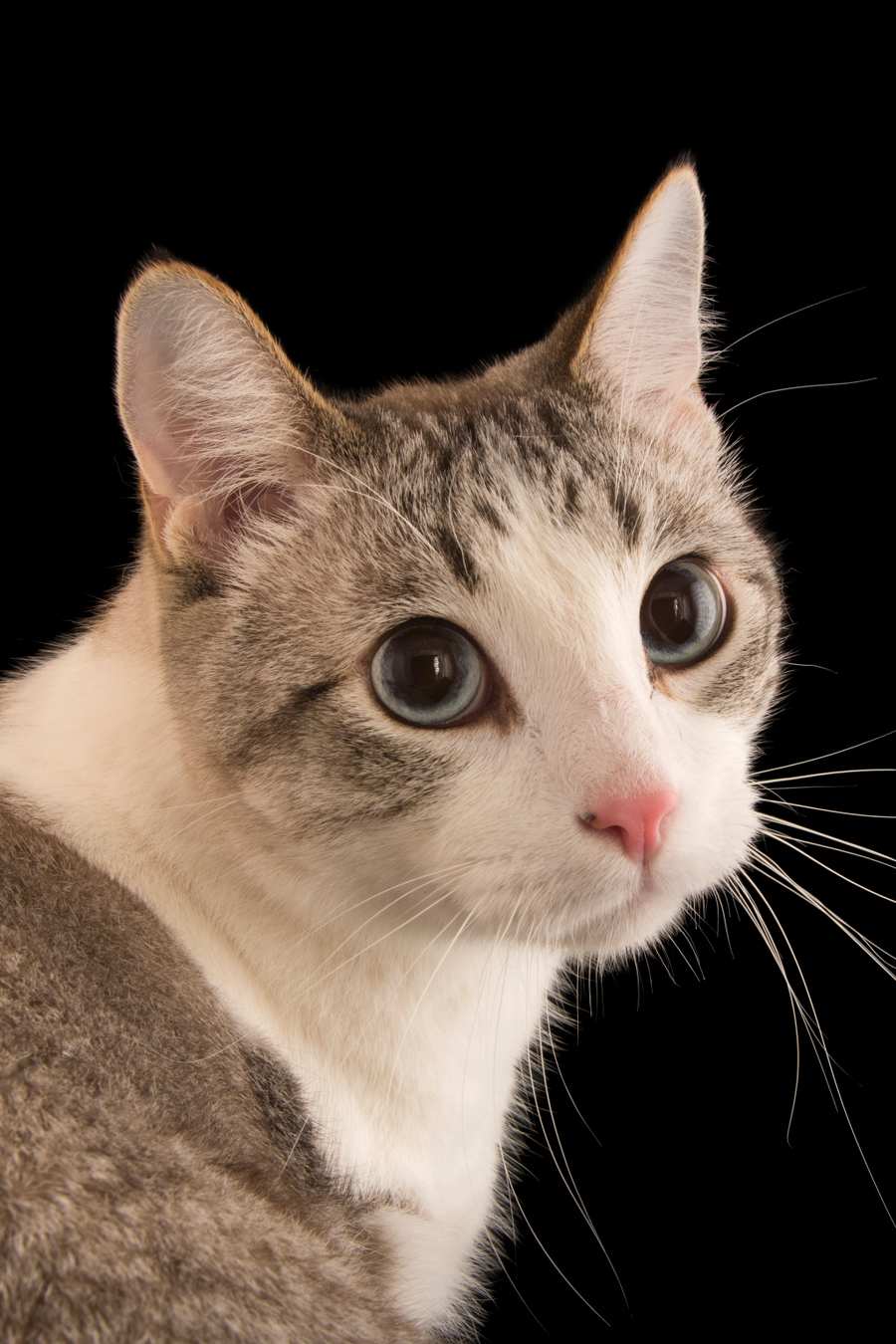
Cats possess superior hunting instincts and skills compared to dogs, showcasing their natural predatory behavior.
Understanding the Hunting Instincts
Hunting is an innate behavior that varies significantly between species. For cats and dogs, this instinct has evolved differently based on their ancestral backgrounds. Cats, as solitary hunters, rely on stealth and precision. Their ancestors, the wildcats, hunted small mammals and birds, developing skills that emphasize patience and agility. Dogs, on the other hand, descended from pack hunters. Their hunting methods often involve collaboration and endurance rather than stealth.
Cats possess a unique set of features that enhance their hunting abilities. For instance, their retractable claws allow for silent movement while stalking prey. Their keen night vision helps them spot potential meals in low-light conditions. Dogs may have a broader range of senses but often lack the same level of agility and precision when it comes to hunting small prey.
The Role of Size and Strength
When comparing the physical attributes of cats and dogs, size plays a crucial role in determining hunting prowess. Larger dog breeds tend to excel in taking down larger game through sheer strength and teamwork. Breeds like the Greyhound or Bloodhound showcase remarkable speed or tracking abilities that can be advantageous in specific hunting scenarios.
Conversely, smaller cat breeds are often more adept at catching smaller prey due to their size and agility. Breeds like the Abyssinian or Siamese are known for their playful yet predatory nature, making them excellent hunters of insects or small rodents within a household setting.
Table: Comparison of Hunting Skills
| Attribute | Cats | Dogs |
|---|---|---|
| Hunting Style | Stealthy and solitary | Pack-oriented and collaborative |
| Physical Features | Retractable claws, flexible body | Strong jaws, varied sizes |
| Senses | Keen night vision, acute hearing | Excellent sense of smell |
| Prey Preference | Small mammals, birds | Larger game (depending on breed) |
| Hunting Technique | Pounce from hiding spots | Pursuit over distance |
The Behavioral Aspect of Hunting
Behavioral traits also play a significant role in determining whether cats or dogs are better hunters. Cats exhibit a natural inclination to hunt through play. They often engage in stalking behaviors while playing with toys or even other animals. This instinctive behavior is not just for fun; it’s practice for real-life hunting scenarios.
Dogs may also engage in play that mimics hunting behaviors but typically do so through social interactions with other dogs or humans. Their play often involves chasing rather than stealthy approaches. While both animals have playful instincts related to hunting, the solitary nature of cats allows them to hone their skills more effectively.
Training and Socialization Impact on Hunting Skills
Training can significantly influence an animal’s hunting capabilities. While both cats and dogs can be trained to hunt, dogs tend to respond better to structured training sessions due to their pack mentality. They thrive on social interactions with humans or other dogs during training exercises.
Cats can be trained as well but often require a different approach due to their independent nature. Training a cat involves creating an environment where they feel secure enough to explore their instincts without feeling threatened. Techniques such as clicker training can help reinforce desired behaviors related to hunting.
The Importance of Environment in Hunting Success
The environment plays a pivotal role in shaping an animal’s hunting abilities. Cats are generally better suited for environments where they can utilize their stealthy nature effectively—think dense vegetation or cluttered spaces that provide ample hiding spots.
Dogs excel in open areas where they can use their speed and stamina to chase down prey over longer distances. The type of habitat available greatly influences which species might be deemed better hunters in specific contexts.
The Role of Instincts vs Training in Hunting Skills
Instincts are vital for both cats and dogs; however, training can enhance these innate abilities further. For example, a well-trained dog may outperform an untrained one simply due to its learned behaviors from consistent practice sessions.
In contrast, a cat’s natural instincts often come into play without formal training—many house cats will instinctively chase after small insects or toys without needing any encouragement from owners. This showcases how deeply ingrained these instincts are within feline behavior.
Cats vs Dogs: The Final Showdown
Both species bring unique strengths to the table when it comes down to hunting prowess—cats shine with their agility and stealth while dogs boast strength and teamwork capabilities that allow them to tackle larger prey effectively.
In essence, asking “Are Cats Better Hunters Than Dogs?” doesn’t have a straightforward answer; it truly depends on what type of hunting one considers more effective based on context—be it size preference or environmental factors at play during hunts.
While both animals exhibit impressive skills suited for different types of prey within various environments—their evolutionary paths have shaped distinct approaches toward capturing food sources effectively over millennia.
Anecdotal Evidence: Real-World Examples of Hunting Successes
Many pet owners have witnessed firsthand how adept both cats and dogs can be when it comes down to catching critters around homes or properties! From tales about beloved felines bringing home mice after successful hunts outside—often leaving proud gifts at doorsteps—to stories about loyal canine companions tracking scents leading them directly toward elusive rabbits hiding nearby!
These anecdotes provide insight into each animal’s unique strengths while showcasing just how capable they truly are when given opportunities within suitable environments tailored towards showcasing those specific talents!
For instance:
- A family cat named Whiskers became renowned among neighbors for her ability not only catch mice but also entertain children by performing acrobatic leaps off fences during her chases!
- Meanwhile—a Labrador Retriever named Max earned accolades from his owner after successfully retrieving multiple ducks during weekend hunts alongside friends!
Such stories highlight why many people cherish having both pets around—they offer diverse experiences filled with laughter moments shared together as they explore natural instincts unleashed during outdoor adventures!
Key Takeaways: Cats Better Hunters Than Dogs
➤ Cats’ Hunting Instincts: Cats possess superior stealth and precision skills. ➤ Physical Attributes Matter: Size impacts hunting; cats excel in agility. ➤ Behavioral Traits: Cats practice hunting through play, enhancing skills. ➤ Training Differences: Dogs benefit from structured training; cats prefer independence. ➤ Environmental InfluenceEnvironmental Influence
Frequently Asked Questions: Are Cats Better Hunters Than Dogs?
What makes cats better hunters than dogs in terms of instincts?
Cats have evolved as solitary hunters, which influences their hunting instincts significantly. Their ancestors were wildcats that relied on stealth and precision to capture small prey. This evolution has endowed modern cats with traits such as retractable claws and excellent night vision. These features allow them to stalk and pounce effectively, making them adept at catching small mammals and birds.
In contrast, dogs have a pack-oriented hunting style. Their instincts favor collaboration and endurance over stealth. While dogs exhibit strong tracking abilities, they often lack the agility that cats possess, making them less effective at hunting smaller prey.
How do size and strength influence hunting abilities in cats and dogs?
The size and strength of an animal play a crucial role in its hunting capabilities. Larger dog breeds, such as Greyhounds or Bloodhounds, are designed for taking down bigger game through strength and speed. Their physical attributes allow them to pursue prey over long distances effectively.
On the other hand, smaller cat breeds excel at catching small prey due to their agility and stealth. Breeds like the Abyssinian or Siamese are particularly skilled at hunting insects or rodents in domestic settings, highlighting how size can dictate hunting success based on the type of prey.
What role does behavioral training play in enhancing hunting skills?
Training can significantly enhance an animal’s natural hunting abilities. Dogs tend to respond well to structured training due to their pack mentality. They thrive on social interactions during training exercises, which can improve their tracking and retrieval skills.
Cats can also be trained but require a different approach due to their independent nature. Techniques like clicker training can help reinforce desired behaviors related to hunting without overwhelming the cat. This tailored training environment encourages cats to explore their instincts more confidently.
How does the environment affect the hunting success of cats and dogs?
The environment is pivotal in shaping an animal’s hunting abilities. Cats are generally more successful in environments that allow for stealthy movements, such as dense vegetation or cluttered spaces where they can hide while stalking prey.
Dogs thrive in open areas where they can utilize their speed and stamina for chasing down prey over longer distances. The type of habitat available greatly influences which species might be deemed better hunters based on specific contexts.
Are there anecdotal examples showcasing the hunting skills of cats and dogs?
Anecdotal evidence highlights the impressive hunting skills of both species in real-world scenarios. For instance, many pet owners share stories of their cats bringing home mice or performing acrobatic leaps while chasing insects, demonstrating their agility.
Conversely, dogs like Labrador Retrievers often receive praise for retrieving game during hunts with their owners. These anecdotes illustrate not only each animal’s unique strengths but also how they adapt their natural instincts within suitable environments.
The Conclusion – Are Cats Better Hunters Than Dogs?
In conclusion, determining whether “Are Cats Better Hunters Than Dogs?” boils down largely upon personal preferences regarding what qualities one values most within those respective skillsets exhibited by each species involved!
Cats excel at stealthy maneuvers combined with agile movements suited perfectly towards catching smaller prey while dogs leverage strength coupled with teamwork techniques allowing them tackle larger targets effectively!
Ultimately—it’s essential not only recognize differences between these fascinating creatures but also appreciate nuances inherent within behaviors displayed throughout various contexts encountered daily! Both animals showcase remarkable talents worthy celebrating—making them beloved companions cherished across households worldwide!