
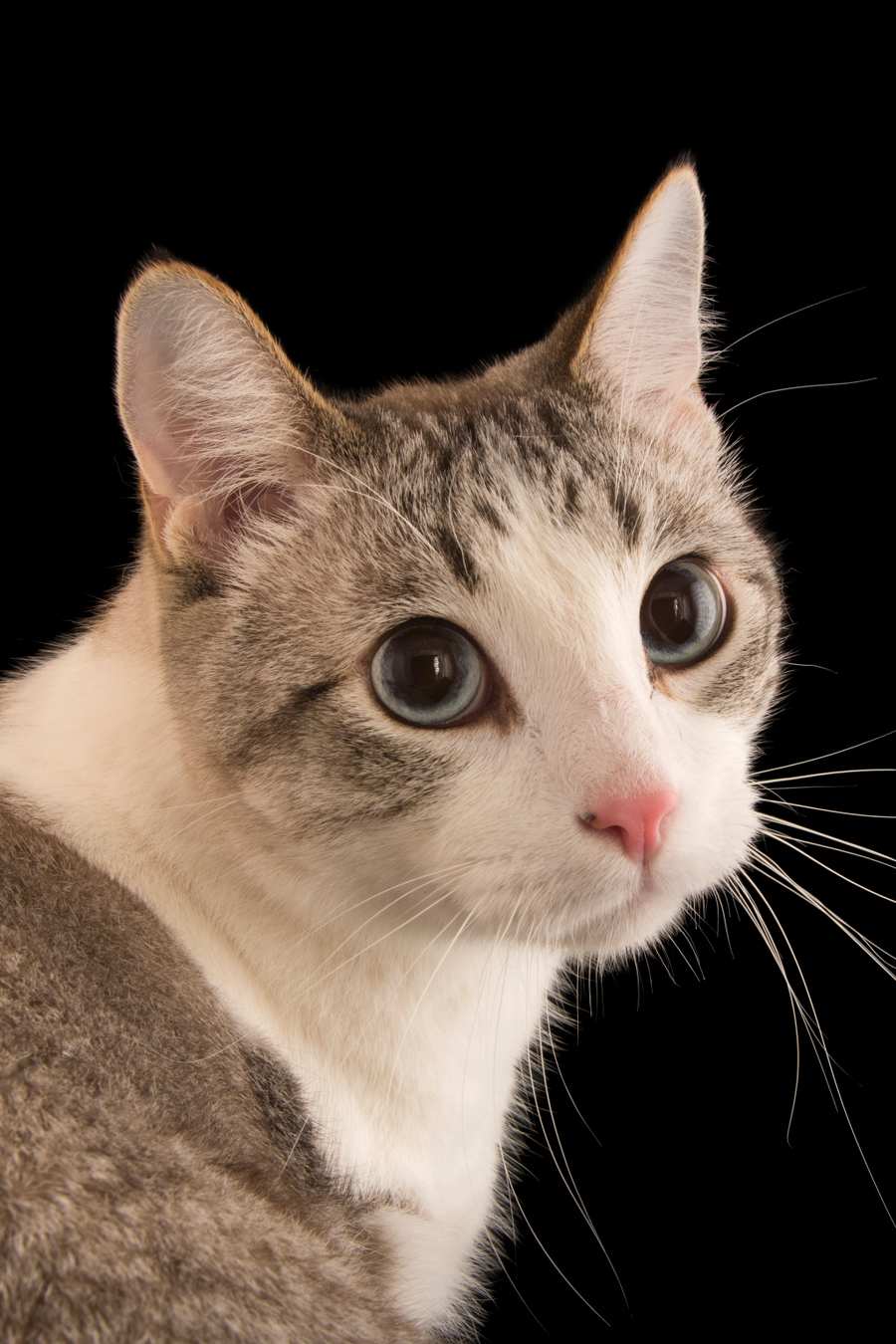
Cats are generally not suited for cold weather, but their tolerance varies based on breed and health.
Understanding Feline Physiology
Cats are fascinating creatures with unique physiological traits that help them adapt to various environments. Their fur, body fat, and overall health play crucial roles in how they handle temperature changes. Unlike dogs, cats have a more delicate balance when it comes to temperature regulation. The thickness and length of a cat’s fur can significantly impact its ability to withstand cold weather. For instance, long-haired breeds like Maine Coons or Persians typically fare better in colder climates than short-haired breeds such as Siamese or Sphynx.
Fur acts as insulation, trapping heat close to the body. In colder temperatures, a cat’s body will instinctively conserve energy and heat by curling up tightly or finding warm spots to rest. However, this doesn’t mean they can withstand extreme cold for extended periods. A cat’s natural habitat often dictates its comfort level with cold weather; feral cats that have adapted to outdoor living may have a higher tolerance compared to domesticated pets that are used to the warmth of home.
Signs That Your Cat Might Be Cold
Recognizing when a cat is feeling chilly is essential for ensuring its well-being. Cats exhibit various behaviors that indicate discomfort due to low temperatures. Some signs include:
- Shivering: Just like humans, cats may shiver when they’re cold as their bodies attempt to generate heat.
- Cuddling: A cat seeking warmth might snuggle up against other pets or humans.
- Lethargy: If a cat is unusually inactive or seems uninterested in play, it could be feeling the effects of the cold.
- Seeking Shelter: Cats often look for cozy spots away from drafts or cold surfaces.
- Changes in Appetite: Cold weather can affect a cat’s metabolism, leading to changes in its eating habits.
Knowing these signs can help determine if it’s time to bring your feline friend indoors or provide additional warmth.
Factors Influencing Cold Tolerance
Several factors influence how well a cat can cope with cold temperatures. These include:
Breed
As mentioned earlier, certain breeds are more suited for colder climates. Breeds like the Norwegian Forest Cat and Siberian have thick double coats that provide excellent insulation against frigid temperatures. In contrast, short-haired breeds may struggle more in the cold.
Age
Kittens and senior cats are generally less tolerant of cold than healthy adults. Kittens lack the body fat and fur density needed for insulation, while older cats may have compromised health that affects their ability to regulate temperature.
Health Status
A cat’s overall health significantly impacts its ability to withstand cold weather. Cats with underlying health issues—such as arthritis or respiratory problems—may find it even more challenging to cope with low temperatures.
Acclimatization
Cats that have lived in colder climates may acclimatize over time, developing thicker fur and better resistance to chillier conditions. However, sudden drops in temperature can still pose risks even for those accustomed to the cold.
What Happens When Cats Get Too Cold?
Exposure to extreme cold can lead to serious health issues for cats. Hypothermia is one of the most significant risks associated with low temperatures. When a cat’s body temperature drops below normal (about 101-102°F), it can experience shivering, weakness, and even lethargy. If not addressed promptly, hypothermia can be fatal.
Frostbite is another concern; this occurs when skin and underlying tissues freeze due to prolonged exposure to freezing temperatures. The tips of ears, tails, and paws are particularly vulnerable since they have less blood circulation compared to other parts of the body.
If a cat shows signs of hypothermia or frostbite—such as pale skin or lethargy—immediate veterinary attention is necessary.
The Importance of Indoor Safety
Keeping cats indoors during colder months is often the best choice for their safety and well-being. Indoor environments offer controlled temperatures where cats can stay warm without risk of exposure to harsh elements outside.
Creating a cozy space at home involves providing soft bedding in warm areas away from drafts. Heated pet beds are also an excellent investment during winter months; these beds maintain warmth without overheating your feline friend.
Moreover, keeping windows securely closed prevents curious cats from venturing outside into potentially dangerous weather conditions. It’s essential always to supervise any outdoor time—even during nice days—to ensure safety from unexpected weather changes.
Outdoor Precautions for Cats
If outdoor access is necessary—for example, if a cat enjoys supervised playtime outside—specific precautions should be taken during colder months:
- Limit Time Outdoors: Shorter outings prevent excessive exposure while allowing some fresh air.
- Monitor Weather Conditions: Pay attention to temperature drops; if it feels too chilly for you outside, it’s likely too chilly for your cat.
- Provide Warmth: Use blankets or heated pads if allowing outdoor time; this gives your pet something warm to curl up against.
Taking these steps helps maintain your cat’s comfort level while enjoying the outdoors responsibly.
A Look at Outdoor Cat Housing Solutions
For those who care for outdoor cats—whether feral or semi-feral—providing adequate shelter becomes paramount during winter months. Outdoor housing needs careful consideration:
| Feature | Description |
|---|---|
| Insulated Walls | Use materials that keep heat inside while blocking wind; straw bales work well as insulation. |
| Elevated Platforms | Raising shelters off the ground prevents dampness from snow or rain seeping in below. |
| Warm Bedding | Provide straw instead of blankets; straw retains warmth better than fabric materials do when wet. |
| Windbreaks | Position shelters away from prevailing winds using natural barriers like trees or fences. |
These features ensure that outdoor cats remain safe and comfortable during harsh winter conditions.
Key Takeaways: Cats and Cold Weather
➤ Cats’ Cold Tolerance Varies: Different breeds handle cold differently.
➤ Signs of Cold Discomfort: Look for shivering, cuddling, or lethargy.
➤ Health Impacts Cold Resistance: Age and health can reduce cold tolerance.
➤ Indoor Safety is Crucial: Keeping cats indoors protects them from cold risks.
➤ Outdoor Precautions Matter: Limit outdoor time and provide warmth if needed.
➤ Outdoor Precautions Matter: Limit outdoor time and provide warmth if needed.
Frequently Asked Questions: Are Cats Cold Outside?
Can all cat breeds tolerate cold weather equally when outside?
No, not all cat breeds have the same tolerance for cold weather. Feline breeds vary significantly in their ability to withstand low temperatures. For example, breeds like the Maine Coon and Siberian have thick fur coats that provide excellent insulation. In contrast, short-haired breeds such as the Siamese or the Sphynx are more vulnerable to cold conditions due to their lack of fur and body fat.
This variation means that while some cats may thrive in colder environments, others may struggle. It’s essential to consider your cat’s breed when determining how long they can comfortably stay outside in chilly weather.
What are the health risks for cats exposed to extreme cold outdoors?
Cats exposed to extreme cold outdoors face serious health risks, including hypothermia and frostbite. Hypothermia occurs when a cat’s body temperature drops below normal levels, leading to symptoms such as shivering, weakness, and lethargy. If not treated quickly, this condition can be fatal.
Frostbite is another danger, particularly affecting the tips of ears, tails, and paws. These areas are more susceptible due to less blood circulation. Immediate veterinary attention is crucial if you notice any signs of these conditions in your feline friend.
How can I tell if my cat is too cold when outside?
Recognizing when your cat is too cold involves observing specific behaviors. Common signs include shivering, which indicates that their body is attempting to generate heat. Additionally, a cat seeking warmth may cuddle against other pets or humans.
Lethargy can also indicate discomfort from the cold; if your cat shows less interest in play or activity, it might be feeling chilly. Other signs include seeking shelter in warm spots or showing changes in appetite due to the impact of low temperatures on their metabolism.
What precautions should I take if my cat must go outside in winter?
If your cat must go outside during winter months, several precautions are essential for their safety. First, limit their time outdoors; shorter outings help prevent excessive exposure to cold temperatures.
You should also monitor weather conditions closely. If it feels too chilly for you outside, it’s likely too chilly for your cat as well. Providing warmth through blankets or heated pads can create a cozy spot for them during outdoor time.
How can I create a safe outdoor environment for my cat during winter?
To create a safe outdoor environment for your cat during winter, consider providing adequate shelter that protects against harsh elements. Insulated walls made from materials like straw bales help retain heat while blocking wind.
Elevated platforms keep shelters off the ground to prevent dampness from snow or rain. Additionally, providing warm bedding—straw is preferable over blankets—ensures that your outdoor cats remain comfortable even in colder conditions.
Conclusion – Are Cats Cold Outside?
Understanding whether cats are cold outside encompasses many factors—from breed and age to health status and environment specifics. While some felines may tolerate cooler temperatures better than others due to their natural adaptations, most indoor cats thrive best in warmer settings where they feel safe and secure.
Regularly monitoring behavior helps gauge comfort levels when outdoors during colder months; knowing how long is too long outside ensures that every kitty remains happy and healthy regardless of the season’s chilliness!