
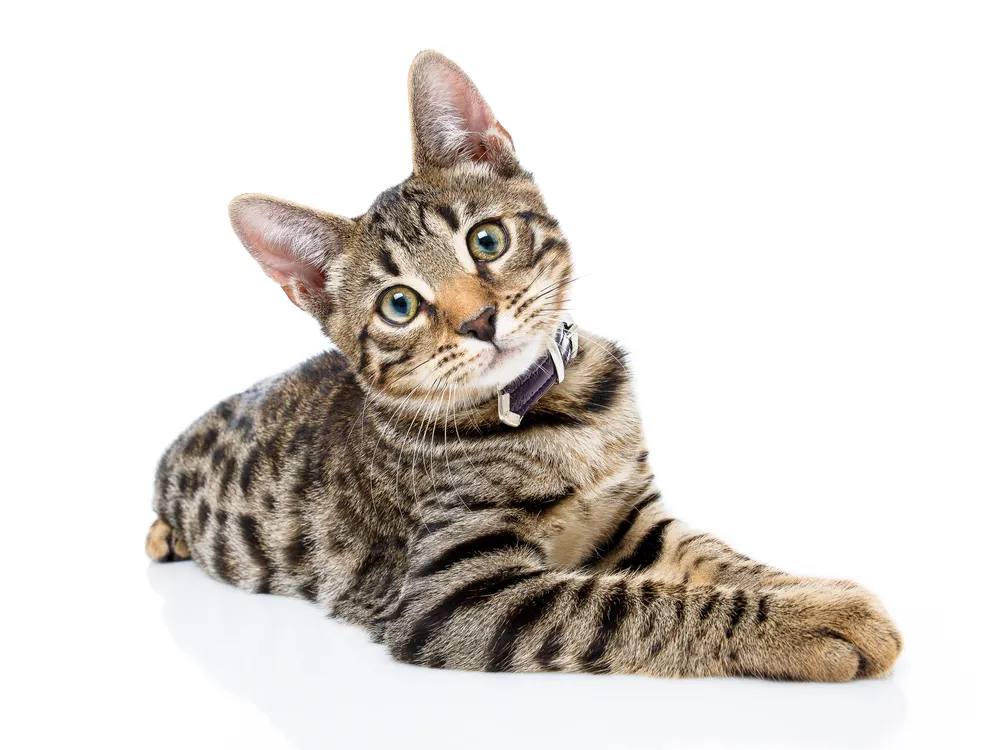
Research shows that both cats and dogs exhibit love, but their expressions differ significantly.
Cats and dogs have been companions to humans for thousands of years, each bringing unique traits to the table. The debate over which pet is more loving often ignites passionate discussions among animal lovers. Are Cats More Loving Than Dogs? This question digs deeper than mere opinions; it requires an examination of behavior, emotional intelligence, and the ways in which these animals interact with humans.
The Nature of Affection in Cats and Dogs
Understanding how affection manifests in these two species is crucial. Dogs are pack animals, thriving on social interaction and hierarchy. Their love often comes through loyalty and companionship. A dog’s tail wagging, excited barks, and jumping around when their owner arrives home are all classic signs of affection.
Cats, on the other hand, have a more independent nature. They evolved as solitary hunters, which influences their behavior towards humans. While dogs may express love overtly, cats often show their affection through subtle actions. A slow blink from a cat or a gentle head-butt can signify trust and love.
Behavioral Differences
The way cats and dogs behave can provide insight into their emotional connections with humans. Dogs tend to be more expressive. They thrive on praise and physical touch, often seeking out cuddles or playtime as a way to bond with their owners. This need for interaction makes them seem more loving at times.
Cats exhibit affection differently. They may curl up next to their owners or follow them around the house but are less likely to demand attention in the same way a dog would. Instead, they may choose moments to show affection on their own terms—like sitting on your lap while you read or bringing you a “gift” from their latest hunt.
Emotional Intelligence: Who Scores Higher?
When discussing whether cats are more loving than dogs, emotional intelligence plays a significant role. Studies indicate that dogs have a superior ability to understand human emotions compared to cats. They can read facial expressions and respond accordingly, often providing comfort when they sense sadness in their owners.
Cats also possess emotional intelligence but demonstrate it differently. Research suggests that cats can sense human emotions too; however, they may not react as overtly as dogs do. Their form of empathy is more subdued but equally meaningful when they choose to show it.
The Science Behind Affection
Scientific studies have aimed to quantify the love that pets show toward humans. One study conducted by animal behaviorists found that dogs release oxytocin—the same hormone responsible for bonding in humans—when interacting with their owners. This response is similar to what mothers experience with their newborns.
While cats also produce oxytocin during social interactions, the levels are generally lower compared to dogs. This difference might explain why many perceive dogs as being more loving than cats at first glance.
Socialization: The Key Factor
Socialization plays a pivotal role in how affectionate pets become toward humans. Puppies that receive ample social interaction during their critical development stages tend to grow into well-adjusted adults who display high levels of affection toward people.
Kittens also benefit from early socialization; however, if they don’t receive enough human interaction during the early weeks of life, they may remain wary or aloof as adults. This lack of exposure can lead some people to believe that cats are less loving than dogs due to their more reserved nature.
The Role of Environment
The environment where pets are raised significantly impacts their behavior and affectionate tendencies. A dog raised in a nurturing home with plenty of human contact will likely be more loving than one kept isolated or neglected.
Similarly, cats raised in an engaging environment where they interact with humans regularly tend to be more affectionate than those left alone for long periods or kept outdoors without much human contact.
| Behavioral Trait | Dogs | Cats |
|---|---|---|
| Affection Display | Tail wagging, licking | Slow blinking, purring |
| Emotional Intelligence | High understanding of human emotions | Moderate understanding; less overt |
| Socialization Impact | Critical for affectionate behavior | Essential for trust-building |
| Oxytocin Release | High during interactions | Lower compared to dogs |
| Loyalty Level | Typically very high | Variable based on individual personality |
Cultural Perceptions of Love in Pets
Cultural perceptions also dictate how we view affection among pets. In many societies, dogs are considered loyal companions who protect homes and families while providing unconditional love. This reputation reinforces the idea that dogs are inherently more loving creatures.
Cats often get painted with a different brush—seen as aloof or indifferent due to their independent nature and unique behavioral traits. However, this perception doesn’t account for the deep bonds many cat owners share with their feline friends.
The media also plays a part in this perception battle between cats and dogs. Movies often depict loyal canine heroes who save the day while portraying cats as quirky side characters lacking depth in emotional connection.
The Personal Touch: Individual Relationships Matter
Ultimately, individual relationships matter immensely when determining which pet is more loving—cats or dogs? Each animal has its own personality traits shaped by genetics and upbringing.
Some people find comfort in the reliability of a dog’s unwavering loyalty while others cherish the quiet companionship offered by a cat curling up beside them after a long day.
Personal experiences shape opinions about pet affection too; someone who has had only aloof cats might perceive them as less loving compared to someone who has formed strong bonds with felines over time.
Anecdotal Evidence: Stories from Pet Owners
Stories from pet owners provide valuable insights into how different individuals perceive love from their pets:
- Dog Owner’s Perspective: A friend shared how her golden retriever greets her every day like she’s been gone for years—even if she just stepped outside for five minutes! The excitement radiates through his wagging tail and joyful barks.
- Cat Owner’s Perspective: Another acquaintance described how her cat will follow her around the house like a shadow—always wanting to be close but never demanding attention aggressively like some dogs do.
These anecdotes highlight that both types of pets can exhibit deep affection; it just manifests differently based on personality traits rather than species alone.
The Importance of Understanding Your Pet’s Love Language
Understanding each pet’s “love language” can enhance relationships significantly—whether it’s through physical touch (like belly rubs for dogs) or quiet companionship (like sitting together with your cat). Recognizing these nuances fosters deeper connections between humans and animals alike.
Dogs might thrive off verbal praise while cats prefer gentle strokes along their backs—tailoring interactions according to preferences ensures both parties feel loved!
The Final Verdict: Are Cats More Loving Than Dogs?
The question remains: Are Cats More Loving Than Dogs? The answer isn’t straightforward—it depends on individual experiences and perspectives shaped by interactions over time rather than hard-and-fast rules about species differences alone!
Both animals showcase love uniquely; while dogs might express it openly through exuberance and loyalty, cats offer quieter forms of affection that require patience yet yield equally rewarding bonds once established!
In conclusion:
- Dogs tend toward overt displays of loyalty through excitement upon reunion.
- Cats, meanwhile, build connections based on trust developed over time leading them toward affectionate behaviors shown subtly yet meaningfully.
Ultimately what matters most is recognizing each pet’s unique personality traits regardless if they bark or meow—they all possess potential for love waiting patiently beneath fur coats!
Conclusion – Are Cats More Loving Than Dogs?
In reflecting upon this question once again—Are Cats More Loving Than Dogs?—it becomes clear that both species offer varied forms of love worth celebrating! Each brings something special into our lives; therefore appreciating those differences enhances our understanding rather than pitting one against another!