
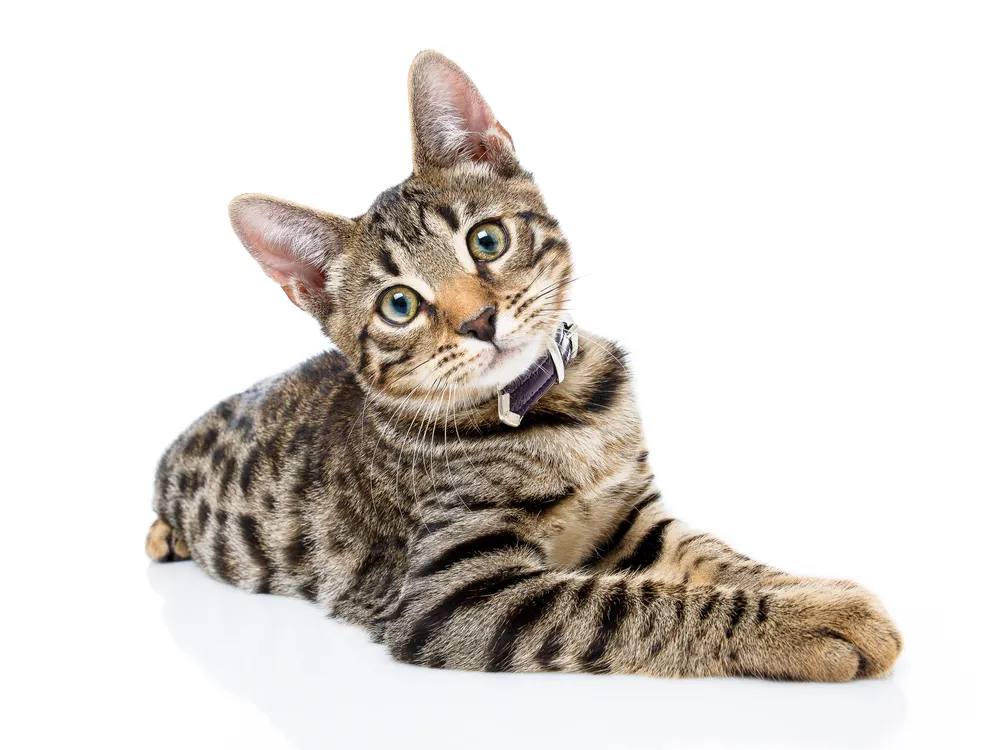
Cats can tolerate heat, but they need proper care to stay safe and comfortable during hot weather.
Understanding Feline Heat Tolerance
Cats are fascinating creatures with a unique physiology that allows them to adapt to various environments. However, when the temperature rises, their comfort and safety can be compromised. Unlike humans, cats have a different way of regulating their body temperature. They primarily rely on panting and grooming to cool down, making it essential for owners to understand how to help their furry friends during hot spells.
Cats have a natural body temperature ranging from 100.5°F to 102.5°F (38°C to 39.2°C). When the weather heats up, their bodies can struggle to maintain this temperature, leading to heat stress or heatstroke if they’re not adequately cared for. Recognizing the signs of overheating is crucial for any cat owner. Symptoms such as excessive panting, drooling, lethargy, or even vomiting can indicate that a cat is in distress due to high temperatures.
Signs of Overheating in Cats
It’s vital to keep an eye on your cat during hot weather. Here are some common signs that indicate your feline friend might be overheating:
- Panting: While cats may occasionally pant after exertion, excessive panting is a clear sign of distress.
- Drooling: Increased saliva production can indicate discomfort or overheating.
- Lethargy: If your cat seems unusually tired or disinterested in activities they usually enjoy, it may be due to heat stress.
- Vomiting: This can be a serious sign of overheating and requires immediate attention.
- Rapid Heart Rate: If you notice your cat’s heart racing, this could indicate they are overheated.
Being aware of these signs helps ensure that your cat remains safe during warmer months.
The Importance of Hydration
Just like humans, cats need access to fresh water at all times, especially in hot weather. Dehydration can set in quickly if they don’t drink enough fluids. Cats are notorious for being picky drinkers, so providing multiple water sources around the house is a good idea. Some cats prefer running water over still water; therefore, investing in a pet water fountain could encourage them to drink more.
Monitoring their water intake becomes crucial during hot days. If you notice that your cat isn’t drinking as much as usual, try enticing them with ice cubes or adding water or low-sodium broth to their food. This not only helps keep them hydrated but also makes mealtime more enjoyable.
Creating a Cool Environment
Making your home comfortable for your cat during hot weather is essential. Here are some tips:
- Air Conditioning: If possible, keep your home air-conditioned during extreme heat waves.
- Fans: Ceiling fans or portable fans can help circulate air and create a cooler environment.
- Cooled Spaces: Create shaded areas using curtains or blinds to block out direct sunlight.
- Cool Mats: Consider purchasing cooling mats designed specifically for pets; these mats help regulate body temperature.
Cats love finding cozy spots around the house; ensuring these areas are cool will encourage them to stay comfortable rather than seeking out warmer places.
The Role of Grooming
Grooming plays an essential role in helping cats manage their body temperature. Regular brushing removes loose fur and helps reduce matting, which can trap heat against their skin. Long-haired breeds may require more frequent grooming sessions during the summer months.
Bathing cats isn’t typically recommended unless necessary; however, wiping them down with a damp cloth can help cool them off without causing stress from bathing.
The Benefits of Regular Grooming
Regular grooming not only keeps fur looking great but also promotes bonding between the owner and the pet. It provides an opportunity for physical contact while checking for any unusual lumps or irritations on the skin that might require veterinary attention.
Avoiding Outdoor Activities During Peak Heat
Outdoor playtime is essential for many cats; however, it’s crucial to avoid strenuous activities when temperatures soar. Early mornings or late evenings may be the best times for outdoor adventures when it’s cooler outside.
If taking your cat outdoors is unavoidable during hot days, consider using a harness and leash for supervised exploration while ensuring plenty of shade and fresh water are available nearby.
The Risks of Leaving Cats Outside
Leaving cats outside in extreme heat poses significant risks such as dehydration or heatstroke. Additionally, outdoor cats face dangers from predators and traffic that indoor cats typically avoid.
For those who have outdoor access for their cats through catios or enclosed spaces, it’s still essential to monitor conditions closely and ensure adequate shade and hydration are provided at all times.
Nutritional Considerations During Hot Weather
Diet plays an important role in overall health and well-being; therefore adjusting feeding habits can help support hydration needs during hotter months. Wet food contains higher moisture content compared to dry kibble; incorporating wet food into meals may enhance hydration levels significantly.
Some owners find success with freezing portions of wet food into ice cubes as a fun treat on particularly hot days!
| Nutritional Options | Description | Moisture Content (%) |
|---|---|---|
| Dried Kibble | Mainly dry food; lower moisture content. | 10-12% |
| Canned Wet Food | A higher moisture option; often more palatable. | 70-80% |
| Treats (Frozen) | Icy treats made from wet food; refreshing! | N/A (depends on ingredients) |
| Bones/Broths (Low Sodium) | Adds flavor while providing hydration benefits! | N/A (depends on ingredients) |
This table highlights various nutritional options available for keeping cats hydrated and happy during warmer months.
The Importance of Veterinary Care
Regular check-ups with a veterinarian ensure that any underlying health issues are addressed before they become problematic—especially concerning older pets who may struggle more with temperature regulation than younger ones do.
Vaccination schedules should also remain up-to-date—particularly those protecting against diseases transmitted by insects like fleas and ticks which thrive during warm weather periods!
If there are concerns regarding specific breeds’ sensitivities towards heat—discussing these with a vet could provide valuable insight into maintaining optimal health year-round!
Understanding how best to care for our feline friends when temperatures rise ensures they remain healthy throughout summer months! Providing adequate hydration sources while creating comfortable living environments minimizes risks associated with overheating significantly!
Being proactive about grooming habits helps maintain coat health—while adjusting diets encourages optimal hydration levels! Overall awareness regarding signs indicating distress enhances safety measures taken by loving owners everywhere!