
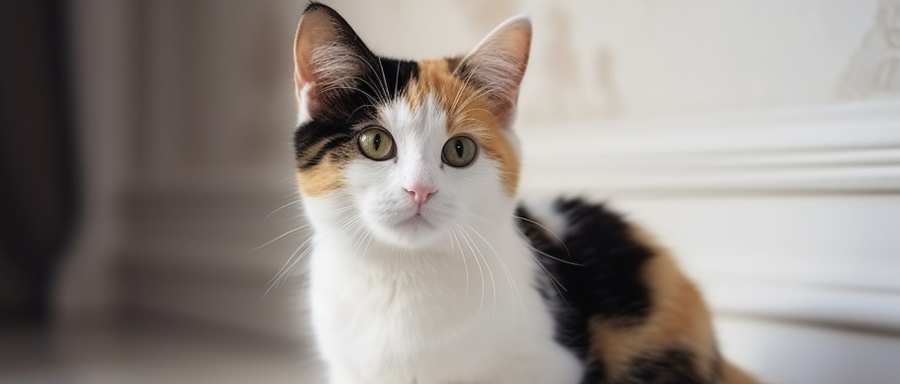
Elephant plants are considered mildly toxic to cats, potentially causing gastrointestinal upset if ingested.
Understanding Elephant Plants
Elephant plants, also known as Alocasia or Colocasia, are tropical plants that have gained popularity for their striking foliage. Their large, heart-shaped leaves and unique appearance make them a favorite among plant enthusiasts. These plants thrive in warm, humid environments and can be found in various species, each with its own distinct characteristics.
Caring for elephant plants requires specific knowledge about their needs. They prefer bright, indirect sunlight and well-draining soil. Overwatering is a common mistake, leading to root rot. It’s essential to strike a balance with watering, allowing the top inch of soil to dry out between waterings. Fertilizing during the growing season can promote lush growth, but it’s crucial not to over-fertilize.
While these plants can add beauty to a home, they also pose potential risks to pets. Understanding the implications of having elephant plants around cats is vital for pet owners.
Are Elephant Plants Toxic To Cats?
The question on many pet owners’ minds is whether elephant plants are toxic to cats. The short answer is yes; they are mildly toxic due to the presence of calcium oxalate crystals. These needle-like structures can cause irritation when chewed or ingested by cats.
Symptoms of toxicity may include drooling, vomiting, and difficulty swallowing. If a cat has ingested any part of an elephant plant, it’s essential to monitor them closely for any signs of distress. While these symptoms can be alarming, they are usually not life-threatening but can lead to discomfort for the pet.
It’s important to note that not all cats will react the same way. Some may experience mild symptoms while others might have more severe reactions depending on their size and overall health.
Identifying Symptoms of Toxicity
Recognizing the symptoms of toxicity in cats can help in addressing potential issues quickly. Here’s a list of common signs that may indicate your cat has ingested an elephant plant:
| Symptom | Description |
|---|---|
| Drooling | Excessive saliva production due to irritation in the mouth. |
| Vomiting | Expelling stomach contents as a reaction to irritation. |
| Difficult Swallowing | Pain or discomfort when trying to swallow food or water. |
| Lethargy | A noticeable decrease in energy levels and activity. |
| Pawing at Mouth | Indicating discomfort or pain in the oral cavity. |
| Loss of Appetite | A reluctance to eat due to nausea or mouth pain. |
If any of these symptoms arise after your cat has been near an elephant plant, it’s crucial to consult a veterinarian promptly.
Caring for Cats Around Elephant Plants
Keeping elephant plants in a home with cats requires careful consideration and preventive measures. Here are some strategies for ensuring your feline friend remains safe while enjoying the beauty of these tropical plants:
Placement Is Key
The first step in preventing potential toxicity is strategic placement. Keeping elephant plants out of reach is essential. High shelves or hanging planters can be effective solutions. If your cat is particularly curious or agile, consider using plant stands that elevate greenery beyond their reach.
Training Your Cat
Training plays an essential role in keeping pets safe around potentially harmful plants. Teaching commands such as “leave it” can help discourage unwanted exploration of houseplants. Positive reinforcement techniques work wonders; rewarding your cat with treats when they obey will reinforce good behavior.
Alternative Plant Choices
For those who want greenery without the risk, consider non-toxic alternatives that are safe for cats. Some excellent choices include spider plants, Boston ferns, and cat grass (like wheatgrass). These options provide aesthetic appeal without endangering furry companions.
The Importance of Immediate Action
In cases where ingestion occurs, immediate action is vital. The first step is assessing the situation calmly and determining how much of the plant was consumed. If possible, take a sample of the plant to show your veterinarian; this information could be crucial in determining treatment options.
Contacting a veterinarian should be done as soon as possible if any symptoms arise after ingestion. They may recommend inducing vomiting or administering activated charcoal depending on how long ago ingestion occurred and the severity of symptoms.
The Role of Veterinary Care
Veterinary care is crucial when dealing with potential poisoning from elephant plants or any toxic substance. A vet can provide professional advice tailored specifically for your pet’s needs based on their size and health history.
Some common treatments may include:
1. Inducing Vomiting: This procedure helps remove toxins from the stomach before they enter the bloodstream.
2. Activated Charcoal: Administered by a vet to absorb toxins still present in the digestive system.
3. Fluids: Intravenous fluids may be necessary if dehydration occurs due to vomiting or diarrhea.
4. Observation: Monitoring symptoms over time helps ensure recovery progresses smoothly.
Always keep emergency contact information handy for local veterinary services or animal poison control centers for quick access during crises.
Long-Term Considerations for Pet Owners
Owning pets often comes with responsibilities beyond just providing food and shelter; it includes creating a safe environment free from hazards like toxic plants.
Regularly assessing household items—especially houseplants—can help ensure safety over time. If new plants are introduced into your home, researching their safety regarding pets should always be part of that process.
Additionally, educating family members about which plants are harmful reinforces safety measures within shared living spaces.
The Importance of Awareness and Education
Awareness about what constitutes safe versus harmful flora contributes significantly toward fostering healthy environments for pets and humans alike! Knowledge empowers pet owners by enabling informed decisions regarding plant selection based on toxicity levels associated with various species.
Moreover! Engaging with local communities through online forums dedicated specifically toward pet care allows sharing experiences among fellow animal lovers—further enhancing collective knowledge about safe practices surrounding household greenery!
Conclusion – Are Elephant Plants Toxic To Cats?
In summary, yes—elephant plants do pose some risk due primarily due their mild toxicity stemming from calcium oxalate crystals found within them! While not life-threatening per se; ingestion could lead distressing symptoms such as drooling & vomiting among our beloved feline friends!
Responsible ownership entails understanding these risks while implementing effective strategies aimed at keeping our homes both beautiful & safe! By taking precautions like proper placement alongside educating ourselves further—we ensure happier coexistence between pets & exotic houseplants alike!