
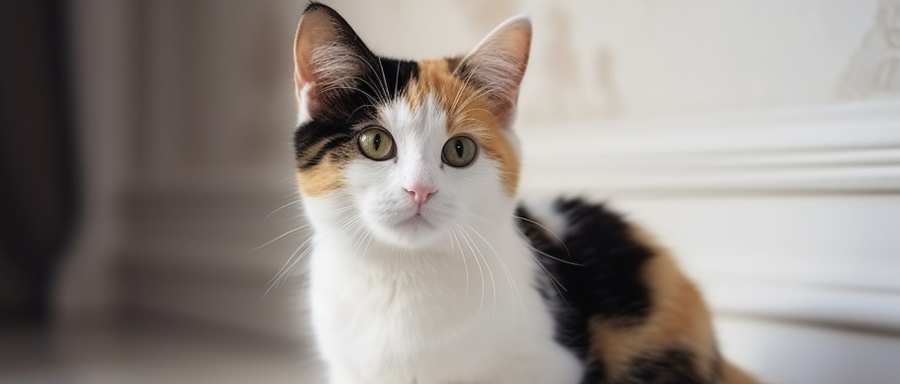
Essential oils can be toxic to cats, leading to serious health issues if ingested or improperly used.
Cats are fascinating creatures, but they come with their own set of needs and sensitivities. One area that often raises questions is the use of essential oils around them. The aromatic compounds that many people adore for their calming and therapeutic properties can also pose risks to our feline friends. Understanding whether essential oils are poisonous to cats is crucial for any cat owner who uses these products for aromatherapy or cleaning.
Understanding Essential Oils
Essential oils are concentrated extracts from plants, capturing their fragrance and beneficial properties. These oils are commonly used in aromatherapy, cleaning products, cosmetics, and even in cooking. Each oil has its unique scent and potential health benefits, such as lavender for relaxation or tea tree oil for its antibacterial properties. However, this concentration means that essential oils can also be potent and potentially harmful.
Cats have a unique metabolism compared to humans and even other pets like dogs. They lack certain enzymes that help break down various compounds found in essential oils. This makes them particularly vulnerable to the adverse effects of these substances. For instance, while a few drops of lavender oil might soothe a human’s stress, it could lead to gastrointestinal upset or more severe reactions in a cat.
Common Essential Oils That Are Toxic
Not all essential oils are created equal when it comes to toxicity for cats. Some are more harmful than others. Here’s a list of common essential oils that can be dangerous:
| Essential Oil | Toxic Effects |
|---|---|
| Lavender | Vomiting, diarrhea, lethargy |
| Peppermint | Vomiting, diarrhea, respiratory distress |
| Tea Tree Oil | Tremors, weakness, uncoordinated movement |
| Citrus Oils (e.g., lemon, orange) | Vomiting, diarrhea, depression of the central nervous system |
| Eucalyptus | Salivation, vomiting, diarrhea |
This table illustrates some common essential oils that pose risks to cats along with their potential toxic effects. It’s vital to recognize these risks before using any products containing these ingredients.
How Cats Are Exposed to Essential Oils
Cats can come into contact with essential oils in various ways. The most common exposure occurs through direct application or diffusion in the air. Many cat owners enjoy diffusing essential oils for their pleasant aromas but may not realize how these scents can linger in the air and affect their pets.
Another way cats might be exposed is through topical applications intended for humans or other pets. Even if a product is labeled safe for humans or dogs, it doesn’t mean it’s safe for cats. Cats may lick surfaces where oils have been applied or groom themselves after coming into contact with these substances.
Ingesting essential oils is another serious concern. Cats are curious creatures and may lick up spills or chew on items infused with oil without realizing the danger.
Signs of Essential Oil Poisoning in Cats
Recognizing the signs of poisoning early can be life-saving for a cat exposed to harmful substances like essential oils. Symptoms can vary depending on the type of oil ingested or inhaled but generally include:
- Vomiting: One of the first signs could be vomiting after exposure.
- Diarrhea: Gastrointestinal upset is common.
- Lethargy: A noticeable decrease in energy levels may occur.
- Tremors: In severe cases, tremors or seizures might develop.
- Respiratory Issues: Difficulty breathing or coughing could signal distress.
- Drooling: Excessive salivation may indicate nausea.
If any of these symptoms appear after exposure to essential oils, it’s crucial to consult a veterinarian immediately.
Safe Alternatives to Essential Oils for Cats
For those who enjoy using scents around their home but want to keep their feline friends safe, several alternatives exist:
1. Herbal Sachets: Using dried herbs like catnip or chamomile can provide pleasant scents without the dangers associated with concentrated oils.
2. Plant-Based Products: Look for products specifically labeled as safe for pets; many brands offer pet-friendly cleaning supplies and air fresheners.
3. Ventilation: If using essential oils is unavoidable (for example, in certain cleaning tasks), ensure that areas are well-ventilated so that your cat has the option to leave if they feel uncomfortable.
4. Natural Air Fresheners: Simple solutions like baking soda can absorb odors naturally without introducing harmful chemicals into your environment.
By opting for alternatives that don’t involve concentrated essential oils, it’s possible to maintain a pleasant atmosphere while prioritizing your cat’s health.
Caring for Your Cat Post-Exposure
If there’s any suspicion that a cat has been exposed to toxic essential oils, immediate action is necessary:
- Remove Exposure: First things first—remove the source of exposure immediately.
- Wash Off Residue: If oil was applied topically or if your cat has oily fur from contact with surfaces containing oil, gently wash the area with soap and water.
- Monitor Symptoms: Keep an eye on your cat’s behavior and look out for any symptoms mentioned earlier.
- Contact a Veterinarian: If symptoms appear or if there’s uncertainty about how much exposure occurred, contacting a veterinarian is critical.
Time is of the essence when dealing with potential poisoning; swift action can make all the difference.
The Importance of Education on Pet Safety
Education about pet safety regarding household products cannot be overstated. Many pet owners may not realize how certain substances affect their furry companions differently than they do themselves. Information about which essential oils are poisonous to cats should be readily available and shared among pet owners and enthusiasts alike.
Veterinarians often emphasize preventive care through education as one of the best ways to keep pets healthy and safe from harm. Engaging with communities—whether online forums dedicated to pet care or local groups—can help spread awareness about potential hazards associated with everyday items like essential oils.
Additionally, reading labels carefully before purchasing products containing fragrances will help ensure they align with safety standards suitable for homes with pets.
Conclusion – Are Essential Oils Poisonous To Cats?
The question “Are Essential Oils Poisonous To Cats?” deserves careful consideration by every cat owner who uses such products at home. While some individuals might not notice immediate effects from using certain essential oils around their cats, it’s crucial always to err on the side of caution due to their unique physiology and sensitivities.
By understanding which specific oils pose risks and recognizing signs of poisoning early on—alongside embracing safer alternatives—cat owners can create an environment that promotes both well-being and safety without sacrificing comfort or ambiance at home.
In summary, being informed about potential dangers allows pet owners not only peace of mind when using fragrances but also fosters healthier relationships between them and their beloved felines!