
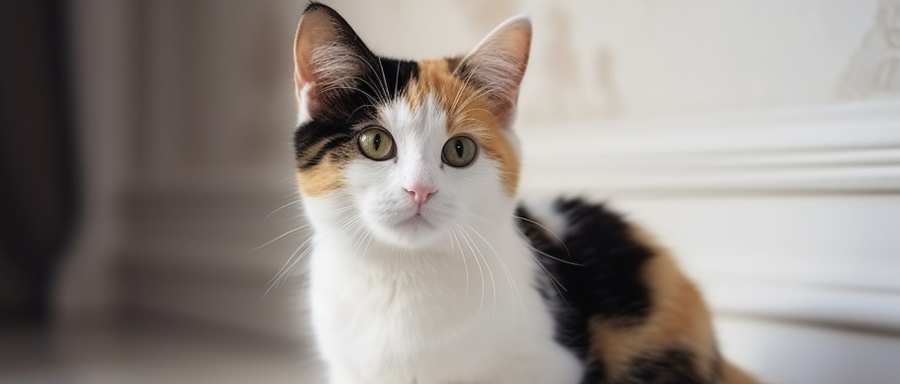
Evergreen trees are generally not poisonous to cats, but some varieties can cause mild gastrointestinal upset if ingested.
Understanding Evergreen Trees
Evergreen trees, known for their lush green foliage year-round, are a staple in many gardens and landscapes. They include popular varieties such as pine, spruce, and fir. These trees are celebrated for their ability to provide shade and privacy, while also enhancing the aesthetic appeal of outdoor spaces. However, with the beauty of these trees comes the responsibility of ensuring that they are safe for all household members, including our feline friends.
Cats are naturally curious creatures. They often explore their environment by sniffing and sometimes tasting plants around them. This curiosity can lead to accidental ingestion of plant material, which raises the question: Are evergreen trees poisonous to cats? Understanding the specific types of evergreen trees and their potential effects on cats is crucial for any pet owner.
The Types of Evergreen Trees
Evergreen trees can be classified into two main categories: conifers and broadleaf evergreens. Conifers include species like pines and spruces, while broadleaf evergreens comprise varieties such as holly and magnolia. Each type has its unique characteristics and potential risks associated with cat exposure.
Coniferous Evergreens
Coniferous evergreens are perhaps the most common type found in residential areas. They have needle-like leaves and produce cones instead of flowers. Some popular coniferous evergreens include:
- Pine (Pinus spp.)
- Spruce (Picea spp.)
- Cedar (Cedrus spp.)
- Fir (Abies spp.)
While many of these species are non-toxic to cats, some may cause mild symptoms if ingested. For instance, pine needles can irritate a cat’s mouth or stomach lining, leading to vomiting or diarrhea.
Broadleaf Evergreens
Broadleaf evergreens have wider leaves and often produce berries or flowers. Common examples include:
- Holly (Ilex spp.)
- Magnolia (Magnolia spp.)
- Laurel (Laurus spp.)
Some broadleaf evergreens like holly can be toxic to cats due to their berries containing saponins, which can lead to more severe symptoms like lethargy or gastrointestinal distress.
Potential Risks of Evergreen Trees for Cats
The risks posed by evergreen trees largely depend on the specific species involved. While many evergreen trees are relatively safe for cats, there are notable exceptions that warrant attention.
Pine Trees
Pine trees are ubiquitous in many regions and often used as Christmas trees during the holiday season. While they aren’t considered highly toxic to cats, ingestion of pine needles can cause irritation in the mouth and stomach. Symptoms may include drooling, vomiting, or diarrhea.
Additionally, some pine tree oils can be harmful if ingested in large quantities. The essential oils from certain pine varieties contain compounds that could potentially lead to respiratory distress or other serious health issues in pets.
Cedar Trees
Cedar trees release aromatic oils that many find pleasant; however, these same oils can be irritating to a cat’s skin and respiratory system. Ingestion is less common but could result in gastrointestinal upset if a cat chews on cedar wood or bark.
Holly Trees
Holly is one tree that requires caution when it comes to feline safety. The berries produced by holly plants contain saponins that can be toxic if consumed by cats. Symptoms may include vomiting, diarrhea, lethargy, or even more serious conditions requiring veterinary intervention.
Recognizing Symptoms of Plant Poisoning in Cats
Understanding how to recognize the signs of plant poisoning is essential for every cat owner. If there’s any suspicion that a cat has ingested part of an evergreen tree—or any plant—it’s important to monitor them closely for symptoms.
Common symptoms associated with plant poisoning in cats include:
- Vomiting
- Diarrhea
- Lethargy or weakness
- Excessive drooling
- Tremors or seizures (in severe cases)
If any of these symptoms occur after exposure to an evergreen tree or any other plant, seeking veterinary advice promptly is crucial for ensuring the health and safety of the pet.
Caring for Cats Around Evergreen Trees
For those who enjoy having evergreen trees at home but worry about their pets’ safety, there are several steps that can be taken to mitigate risks associated with these plants.
Selecting Safe Varieties
Choosing non-toxic varieties is a proactive measure every cat owner should consider when selecting plants for their home or garden. Researching which evergreen species are safe for pets helps create a harmonious living environment where both humans and animals can thrive without fear of toxicity.
Creating Boundaries
If certain evergreen trees pose risks due to their toxicity levels—like holly—it’s wise to create physical boundaries around them. Using fencing or planting barriers helps keep curious cats at bay while allowing owners to enjoy their greenery without worry.
Regular Monitoring and Care
Regularly inspecting gardens for fallen branches or leaves from evergreen trees helps reduce accidental ingestion risks. Keeping outdoor areas clean ensures that no potentially harmful plant material lingers where pets might find it appealing enough to chew on.
The Importance of Veterinary Guidance
In case there’s uncertainty about whether an evergreen tree poses a risk for cats—or if symptoms arise following suspected ingestion—consulting with a veterinarian is always advisable. Vets possess valuable knowledge regarding various plants’ toxicity levels and can provide tailored advice based on individual circumstances.
Moreover, having emergency contact information readily available ensures swift action if needed during those critical moments when time matters most regarding pet health.
| Evergreen Type | Toxicity Level for Cats | Symptoms if Ingested |
|---|---|---|
| Pine (Pinus spp.) | Low Risk | Mild gastrointestinal upset; vomiting; diarrhea. |
| Cedar (Cedrus spp.) | Low Risk | Irritation; possible respiratory issues. |
| Holly (Ilex spp.) | Moderate Risk | Nausea; vomiting; lethargy; diarrhea. |
| Spruce (Picea spp.) | Low Risk | Mild stomach irritation; vomiting. |
Conclusion – Are Evergreen Trees Poisonous To Cats?
In summary, most evergreen trees aren’t inherently poisonous to cats; however, certain varieties pose risks that pet owners should remain vigilant about. Understanding which types are safe versus those that could potentially harm our furry companions allows us all greater peace of mind while enjoying nature’s beauty around us!
Being proactive through research into appropriate selections combined with responsible care practices fosters an environment where both pets—and humans—can coexist harmoniously without fear over potential dangers lurking within beloved greenery!