
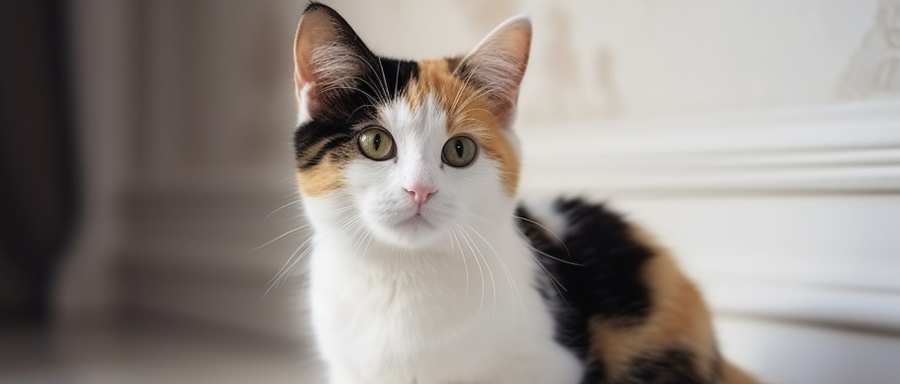
Ferns are generally non-toxic to cats and dogs, making them safe houseplants for pet owners.
Understanding Ferns and Their Popularity
Ferns have long captivated plant enthusiasts with their lush greenery and unique textures. They lend a fresh, vibrant touch to home decor, thriving in various indoor conditions. Their ability to purify the air also contributes to their popularity. Many people find solace in nurturing plants, and ferns offer an easy-care option that doesn’t demand excessive attention. From the classic Boston fern to the delicate maidenhair, each variety brings its own charm.
The appeal of ferns extends beyond aesthetics; they are also versatile in terms of placement. Whether hanging from a basket or sitting on a windowsill, they adapt well to different environments. This adaptability makes them suitable for homes with pets, leading many to wonder about their safety concerning furry friends.
What Makes a Plant Toxic?
Plant toxicity is a complex topic influenced by the specific compounds present in different species. Toxic plants generally contain substances that can cause adverse reactions in animals or humans when ingested. These reactions can range from mild gastrointestinal upset to severe health issues or even death, depending on the plant and the amount consumed.
In the case of ferns, it’s important to distinguish between toxic and non-toxic varieties. The toxicity of a plant is often determined by its chemical makeup and how it interacts with an animal’s physiology. For instance, certain plants may contain alkaloids or saponins that are harmful if ingested.
Common Toxic Plants for Pets
To better understand ferns’ safety, it’s helpful to look at some common toxic plants that pet owners should avoid:
| Plant Name | Toxicity Level | Symptoms |
|---|---|---|
| Lilies | High | Kidney failure in cats |
| Aloe Vera | Moderate | Vomiting, diarrhea |
| Sago Palm | High | Liver failure, seizures |
| Philodendron | Moderate | Mouth irritation, vomiting |
| Cyclamen | High | Severe vomiting, heart issues |
This table illustrates some common houseplants known for their toxicity levels and symptoms they may cause if ingested by pets. Understanding these plants helps in making informed decisions about which greenery to introduce into a pet-friendly home.
The Safety of Ferns: A Closer Look
When evaluating whether ferns are safe for pets, it’s crucial to consider specific varieties. Most common household ferns are classified as non-toxic by reputable sources such as the ASPCA (American Society for the Prevention of Cruelty to Animals). This classification means that ingestion of these plants doesn’t typically result in harmful effects on cats or dogs.
Some popular non-toxic fern varieties include:
- Boston Fern (Nephrolepis exaltata)
- Maidenhair Fern (Adiantum)
- Bird’s Nest Fern (Asplenium nidus)
These ferns not only add beauty but also provide peace of mind for pet owners concerned about plant safety.
The Risks of Ingestion: What Happens?
While ferns are generally safe for pets, it’s still wise to monitor them around these plants. If a cat or dog consumes fern leaves, it might lead to mild gastrointestinal upset like vomiting or diarrhea due to the fibrous nature of the plant material. However, these symptoms are usually temporary and resolve without any need for medical intervention.
In rare cases, some pets may have individual sensitivities that could lead to more pronounced reactions. Observing how pets interact with new plants is always good practice; if any unusual behavior occurs after ingestion, consulting a veterinarian is advisable.
Caring for Ferns in Pet-Friendly Homes
Caring for ferns involves understanding their specific needs while ensuring they remain safe around pets. Here are some essential tips for maintaining healthy ferns without compromising pet safety:
Light Requirements
Ferns thrive in indirect sunlight. Placing them near a window where they receive filtered light works best. Direct sunlight can scorch their leaves while too little light can hinder growth.
Watering Needs
Ferns prefer consistently moist soil but should never sit in waterlogged conditions. Overwatering can lead to root rot while underwatering may cause browning tips on leaves. Checking soil moisture regularly ensures optimal growth conditions.
Humidity Levels
Being tropical plants at heart, many ferns appreciate higher humidity levels than what typical indoor environments provide. Using a humidifier or placing water trays near ferns can help maintain adequate moisture levels.
Pest Management/h3>Conclusion – Are Ferns Toxic To Cats And Dogs?
After diving into the world of ferns and their relationship with our furry companions, it’s clear that most common fern varieties pose no threat to cats and dogs. They stand out as excellent choices for pet-friendly households thanks to their non-toxic nature.
Understanding which plants are safe allows pet owners to create inviting spaces filled with greenery without worry about potential harm from toxic species. Keeping an eye on pets’ interactions with all houseplants remains essential; being proactive ensures both pets and plants coexist harmoniously within shared living spaces.
In summary, when pondering “Are Ferns Toxic To Cats And Dogs?”, rest assured that they often make delightful additions that enhance both aesthetics and air quality while keeping furry family members safe from harm.
After diving into the world of ferns and their relationship with our furry companions, it’s clear that most common fern varieties pose no threat to cats and dogs. They stand out as excellent choices for pet-friendly households thanks to their non-toxic nature.
Understanding which plants are safe allows pet owners to create inviting spaces filled with greenery without worry about potential harm from toxic species. Keeping an eye on pets’ interactions with all houseplants remains essential; being proactive ensures both pets and plants coexist harmoniously within shared living spaces.
In summary, when pondering “Are Ferns Toxic To Cats And Dogs?”, rest assured that they often make delightful additions that enhance both aesthetics and air quality while keeping furry family members safe from harm.