
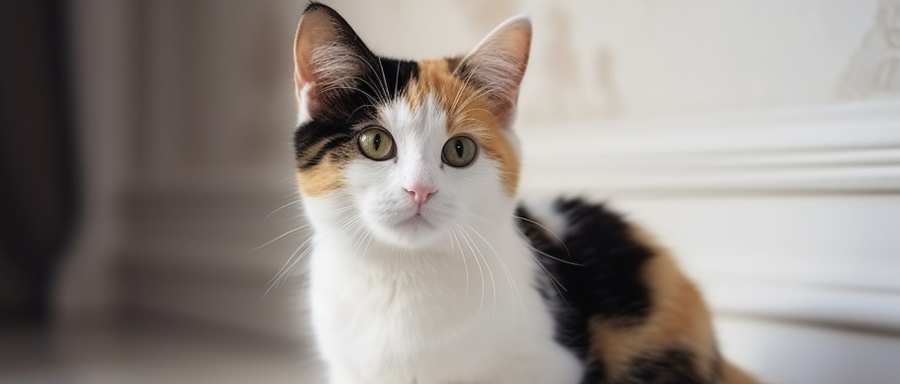
Flocked Christmas trees can pose risks to cats, so it’s essential to understand their potential toxicity and safety measures.
Flocked Christmas trees add a whimsical touch to holiday decor, creating a winter wonderland in living rooms across the globe. However, for cat owners, these beautifully adorned trees can raise significant concerns. The question lingering in many minds is: Are flocked Christmas trees toxic to cats? Understanding the materials involved in flocking and their potential effects on our furry friends is crucial for ensuring a safe festive season.
What Are Flocked Christmas Trees?
Flocked Christmas trees are artificial trees that have been treated with a special spray or powder to give them a snow-covered appearance. This flocking material is typically made from synthetic fibers or other substances designed to mimic the look of fresh snow. While they look stunning and can enhance the holiday spirit, they may not be as safe as they seem.
The flocking process involves applying these materials to the branches of the tree, creating a soft, textured finish that catches the light beautifully. Many people choose flocked trees because they require less maintenance than real trees and last longer. However, this aesthetic appeal comes with potential risks for pets, particularly cats.
The Materials Used in Flocking
Understanding what goes into making a flocked tree can help clarify whether these products are harmful. Common materials used include:
- Polyethylene: A common plastic used in many artificial trees.
- Polypropylene: Another type of plastic that may be used for flocking.
- Adhesives: These are often used to attach the flocking material to the tree.
While these components are generally considered non-toxic for humans, their safety for pets can vary based on individual reactions and sensitivities.
Potential Risks of Flocked Trees
Cats are naturally curious creatures. They love exploring their environment, often getting into things they shouldn’t. When it comes to flocked Christmas trees, there are several risks to consider:
1. Ingestion of Flocking Material: If a cat chews on or swallows pieces of the flocking material, it could lead to gastrointestinal issues. Symptoms such as vomiting or diarrhea may occur if ingested.
2. Allergic Reactions: Some cats may develop allergies to synthetic materials used in flocking. Signs of an allergic reaction can include itching, swelling, or respiratory distress.
3. Chemical Exposure: Some adhesives or sprays used in flocking could contain harmful chemicals that might pose risks if ingested or inhaled.
4. Physical Injuries: The branches of artificial trees can be sharp and may cause cuts or scratches if a cat climbs or plays too aggressively around them.
Signs Your Cat May Be Affected
Recognizing when your cat is having an adverse reaction is vital for prompt treatment. Here are some signs to watch out for:
- Vomiting or Diarrhea: These are common indicators that your cat may have ingested something harmful.
- Lethargy: A sudden lack of energy can signal discomfort or illness.
- Excessive Grooming: If your cat is licking itself more than usual, it might be trying to soothe irritation caused by allergens.
- Respiratory Issues: Coughing, wheezing, or difficulty breathing could indicate an allergic reaction or chemical exposure.
If any of these symptoms occur after bringing home a flocked tree, consulting with a veterinarian should be your immediate course of action.
How to Keep Cats Safe Around Flocked Trees
Creating a safe environment during the festive season involves several proactive measures:
1. Choose Non-Toxic Options: Look for flocked trees labeled as pet-safe or made from non-toxic materials. Some brands prioritize safety for pets during production.
2. Secure the Tree: Ensure that the tree is stable and cannot easily topple over if your cat decides to climb it. Using additional support like brackets can help secure it in place.
3. Limit Access: Consider using baby gates or other barriers to restrict your cat’s access to the tree area when you’re not around.
4. Monitor Behavior: Keep an eye on your cat’s interactions with the tree and redirect them if they start chewing on branches or playing too roughly.
5. Provide Alternatives: Offering engaging toys and climbing structures elsewhere can distract your cat from being overly curious about the tree.
6. Regular Cleaning: Regularly check for loose flocking material around the base of the tree and clean it up promptly to minimize ingestion risks.
Alternatives to Flocked Trees
If concerns about toxicity linger heavily on your mind, various alternatives provide similar aesthetics without posing risks:
1. Natural Trees: Real pine trees offer a beautiful scent and look without synthetic materials; just ensure they’re free from pesticides harmful to pets.
2. DIY Flocking with Safe Materials: Create your own snow-like effect using non-toxic products such as cornstarch mixed with water—ensure it’s safe if ingested by pets.
3. Bare Artificial Trees: Decorate traditional artificial trees without flocking; using ornaments and lights can create a festive atmosphere while keeping safety in mind.
4. Tabletop Trees: Smaller versions placed high out of reach can still bring holiday cheer without risking interaction from curious cats.
5. Pet-Friendly Decorations: Consider decorations made from natural materials like wood or fabric instead of traditional glass ornaments that might shatter easily if knocked over by playful paws.
The Importance of Veterinary Guidance
Consultation with a veterinarian should always be part of pet ownership when introducing new elements into your home environment—especially during holidays filled with potential hazards like decorations and plants known for toxicity (e.g., poinsettias).
Veterinarians possess knowledge about common household items that could harm pets and offer guidance tailored specifically for individual situations based on breed and health history—ensuring peace of mind during festive times while keeping furry companions safe!
A Closer Look at Pet Safety During Holidays
Holidays present unique challenges beyond just Christmas trees; many household items pose threats without proper awareness:
| Common Holiday Hazards | Potential Risks | Safety Tips |
|---|---|---|
| Tinsel | Ingestion leading to intestinal blockage | Avoid using tinsel altogether |
| Candles | Burns from flames | Use flameless candles instead |
| Holiday Plants | Toxicity (e.g., mistletoe) | Keep plants out of reach |
| Electrical Cords | Chewing leading to shocks | Use cord covers or tape down |
Awareness is key when navigating holiday decorations alongside beloved pets—understanding which items pose threats allows one not only enjoy festivities but also maintain harmony between celebrations while prioritizing safety!
Conclusion – Are Flocked Christmas Trees Toxic To Cats?
Navigating holiday decor choices while ensuring feline safety requires diligence and informed decision-making regarding products brought into homes each season—especially concerning questions like Are flocked Christmas trees toxic to cats?
Understanding materials involved helps identify potential hazards associated with various decorations while implementing proactive measures ensures both festive spirit remains intact alongside peace of mind regarding pet wellbeing throughout joyous occasions!