
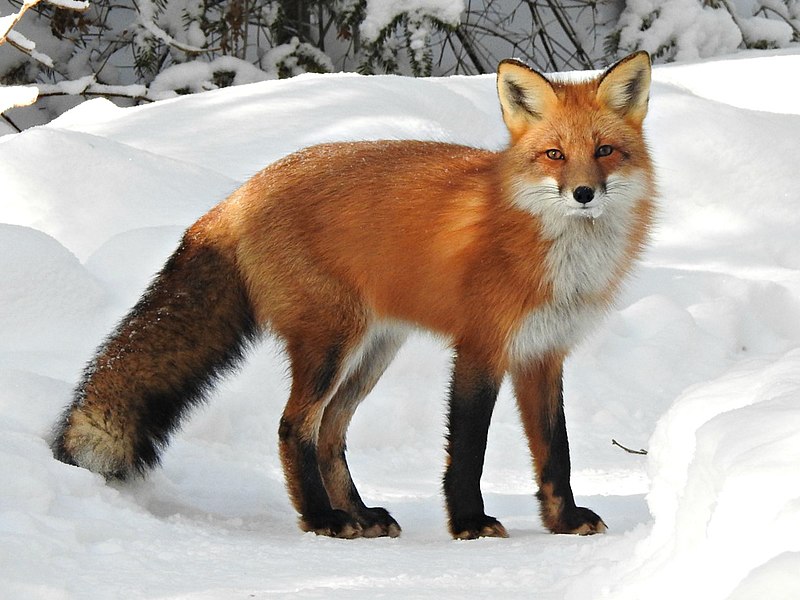
Foxes share traits with both dogs and cats, but they are a unique species in their own right.
Foxes have long fascinated people with their cunning nature and striking appearance. Often depicted in folklore and popular culture, these creatures raise a common question: Are foxes dogs or cats? To understand this better, we need to delve into the biology, behavior, and evolutionary history of foxes, comparing them with both canines and felines.
Understanding the Family Tree
Foxes belong to the Canidae family, which also includes domestic dogs, wolves, and other wild canids. This classification places them firmly in the dog family. However, their behavior often seems cat-like, leading many to wonder about their true nature.
To clarify this relationship, let’s take a closer look at the Canidae family:
| Family | Members | Characteristics |
|---|---|---|
| Canidae | Foxes, Wolves, Domestic Dogs | Social pack animals; strong sense of smell; vocal communication. |
| Felidae | Cats, Lions, Tigers | Sole hunters; retractable claws; stealthy movements. |
This table highlights that while foxes are part of the Canidae family like dogs and wolves, they exhibit some behaviors that can resemble those of cats. Their solitary hunting style is more akin to felines than canines.
The Physical Traits of Foxes
Physical characteristics also play a role in determining whether foxes align more closely with dogs or cats. Foxes have long legs and bushy tails similar to dogs but possess slender bodies reminiscent of cats. Their sharp features and pointed ears give them a distinctly feline appearance.
One notable feature is their coat. Fox fur is thick and soft, providing insulation against harsh climates. The coloration varies widely among species; for instance, the red fox sports a vibrant reddish coat while the Arctic fox has a white coat for camouflage in snowy environments.
Another interesting aspect is their size. Most fox species are smaller than domestic dogs but larger than typical house cats. The average red fox weighs between 8 to 15 pounds and measures about 18 to 35 inches in length from nose to tail.
Behavioral Traits: A Blend of Two Worlds
The behavior of foxes often leaves people puzzled. While they exhibit pack behavior similar to dogs when raising young or during certain social interactions, they also demonstrate solitary tendencies akin to cats.
Foxes are known for their vocalizations. They produce a range of sounds including barks, screams, and howls—similar to domestic dogs. However, their body language can be quite cat-like; they often stalk prey quietly before pouncing rather than chasing it down like typical canids.
Moreover, foxes are highly adaptable creatures that thrive in various environments—from urban areas to rural landscapes—much like domestic cats that have learned to coexist with humans.
Hunting Strategies: Dogs vs. Cats
When it comes to hunting strategies, foxes display a fascinating mix of canine and feline traits. They tend to hunt alone or in small family groups rather than large packs like wolves or domestic dogs.
Their hunting technique often involves stalking prey cautiously before making a quick dash—similar to how cats hunt birds or small mammals. This method contrasts sharply with the pack hunting style seen in many dog species.
Foxes primarily feed on small mammals such as rodents and rabbits but will also consume fruits and insects when necessary. Their diverse diet showcases their adaptability—a trait shared by both dogs and cats.
The Social Structure of Foxes
Unlike many dog species that thrive on social structures within packs, fox social dynamics are more complex. They often form monogamous pairs during mating season but generally lead solitary lives outside of breeding periods.
Family groups may be formed when parents raise their young together until they reach independence. This structure allows for learning essential survival skills without the rigid hierarchy found in wolf packs.
Interestingly enough, urban fox populations have adapted remarkably well to city life by utilizing human waste as food sources while maintaining a level of independence typical of wild animals.
Cognitive Abilities: Intelligence Unleashed
Cognitive abilities play an essential role in understanding whether foxes align more closely with dogs or cats. Studies show that fox intelligence rivals that of both species due to their problem-solving skills and adaptability.
Foxes exhibit behaviors indicating advanced learning capabilities—such as using tools or navigating complex environments—traits commonly associated with highly intelligent animals like dolphins or primates rather than just those within Canidae or Felidae families alone.
Their ability to adapt quickly contributes significantly towards survival rates against predators as well as finding food sources efficiently across varying landscapes—traits valuable for both domesticated pets and wild counterparts alike!
The Role of Domestication
Domestication has played an intriguing role in shaping our perceptions regarding whether foxes belong more closely within canine or feline categories. While domestic dogs evolved from wolves through selective breeding over thousands of years into various breeds today recognized worldwide; no such extensive domestication exists for modern-day fox populations yet!
However recent studies involving Russian silver fox breeding programs have shown fascinating results! These experiments aimed towards creating friendly pet-like versions resulted not only in tamer individuals but also introduced physical characteristics resembling those typically found among domesticated pets—including floppy ears & spotted coats!
Such transformations raise questions about potential future relationships between humans & these captivating creatures! Could we witness further shifts towards domestication similar seen previously within canine evolution?
The Emotional Spectrum: Love & Loyalty vs Independence
Emotional bonds form another area where comparisons arise between these three species: domestic dogs possess an innate loyalty towards humans cultivated through centuries spent living alongside us; meanwhile cats maintain an air independence despite forming attachments over time!
Fox emotions seem much closer aligned towards felines exhibiting affection selectively based upon individual interactions rather than unconditional loyalty seen among canine companions! This distinction highlights differences between social structures inherent within each respective group leading us back again towards pondering whether “Are Fox Dogs Or Cats?”
Conclusion – Are Fox Dogs Or Cats?
Ultimately answering “Are Fox Dogs Or Cats?” requires embracing complexity found within nature itself! While scientifically classified under Canidae family alongside wolves & domestic breeds alike—they embody unique qualities distinguishing them from both categories equally!
Their blend behaviors provide insights into adaptability showcasing intelligence capable navigating diverse environments successfully while maintaining captivating personalities sure intrigue anyone lucky enough encounter them firsthand!
As exploration continues regarding relationships formed between humans & wildlife alike perhaps future holds exciting possibilities awaiting discovery surrounding our furry friends—the ever-enigmatic yet charmingly delightful world inhabited by none other than FOXES!