
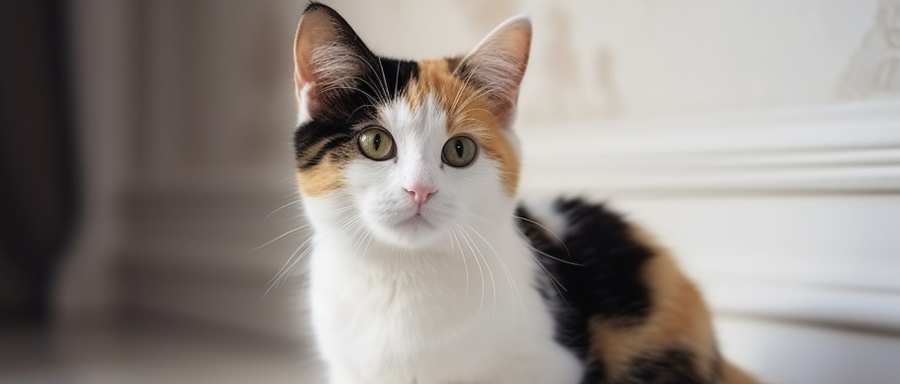
Grey tortoiseshell cats are not rare but are less common than other color patterns in felines.
Grey tortoiseshell cats possess a unique beauty that often captivates cat lovers everywhere. Their striking coats, a blend of grey and cream or orange, create an eye-catching mosaic that stands out. The question arises: Are Grey Tortoiseshell Cats Rare? To understand this better, one must delve into the genetics behind their coloration, their distribution across various breeds, and the factors that contribute to their prevalence.
The Genetics Behind Grey Tortoiseshell Cats
The stunning appearance of grey tortoiseshell cats is a result of complex genetic interactions. The tortoiseshell pattern itself is linked to the X chromosome. Female cats possess two X chromosomes (XX), while male cats have one X and one Y chromosome (XY). This genetic setup means that most tortoiseshell cats are female. When it comes to grey tortoiseshells specifically, the presence of diluted colors plays a significant role.
In the case of grey tortoiseshells, the black pigment is diluted to grey, while the orange pigment remains unchanged or is diluted to cream. The combination creates that unique coat pattern that many find irresistible. This genetic makeup explains why one often sees more female tortoiseshells compared to males; male tortoiseshells are exceptionally rare due to their genetic configuration—most are sterile and can’t reproduce.
The Rarity of Male Tortoiseshell Cats
To put it into perspective, male tortoiseshell cats occur in about 1 in 3,000 cases. This rarity stems from a genetic condition known as Klinefelter syndrome, where males have an extra X chromosome (XXY). These males can exhibit the tortoiseshell pattern but often face health issues and infertility. Consequently, when considering whether grey tortoiseshell cats are rare, it’s essential to recognize that their female counterparts are much more common.
Distribution Across Breeds
Grey tortoiseshell coats can appear in various cat breeds. While some breeds might show this coloration more frequently than others, it’s helpful to consider how breed characteristics influence coat patterns.
| Breed | Common Coat Patterns | Prevalence of Grey Tortoiseshell |
|---|---|---|
| Domestic Shorthair | Tortoiseshell, Tabby, Solid | Commonly found |
| British Shorthair | Solid, Tabby, Bicolor | Less common |
| American Shorthair | Tortie, Classic Tabby | Occasionally seen |
| Siamese | Solid Pointed Colors | Slightly rare |
| Maine Coon | Tortie and Solid Colors | Occasionally seen |
| Bengal Cat | Spotted or Marbled Patterns | Rarely seen as grey tortie |
In general, domestic shorthairs tend to showcase a broader variety of colors and patterns compared to purebred cats. This diversity increases the likelihood of encountering grey tortoiseshells among mixed-breed felines.
The Appeal of Grey Tortoiseshell Cats in Popular Culture
The allure of grey tortoiseshell cats extends beyond genetics and breed prevalence; they also hold a special place in popular culture. Numerous stories feature these beautiful felines as symbols of mystery or elegance. Movies and literature often portray them as wise companions or quirky sidekicks. Their unique appearance captures attention and evokes admiration.
In addition to this cultural fascination, many individuals feel an emotional connection with grey torties due to their distinctive personalities. Often described as quirky and playful with a hint of sassiness, these cats have become beloved companions for many households around the globe.
Caring for Grey Tortoiseshell Cats: Unique Considerations
Caring for any cat requires attention to its specific needs; however, there are a few considerations unique to grey tortoiseshells worth noting. These beautiful creatures may exhibit particular personality traits influenced by their genetics.
Nurturing Their Unique Personalities
Grey tortoiseshells often showcase spirited personalities. They can be vocal and affectionate yet independent at times. Understanding these traits helps foster a nurturing environment where they can thrive emotionally and physically.
Socialization plays a vital role in developing their temperament. Exposing them to different environments and experiences from an early age helps them become well-adjusted adults. Engaging them with interactive toys or puzzles keeps their minds active while strengthening your bond through playtime.
Nutritional Needs for Optimal Health
Feeding any cat a balanced diet is crucial for maintaining health; however, certain breeds may have specific dietary requirements based on their activity levels or predispositions toward certain health conditions. Consulting with a veterinarian ensures that your grey tortoise receives proper nutrition tailored to its needs.
Additionally, regular vet check-ups help catch any potential health issues early on—especially considering that some genetic factors may predispose certain breeds (including those with unique colorations) toward specific health concerns like dental disease or obesity.
The Adoption Journey: Finding Your Perfect Companion
Many individuals consider adopting rather than purchasing pets from breeders—especially when searching for specific colors or patterns such as grey tortoiseshells. Shelters often house numerous mixed-breed felines waiting for loving homes.
It’s essential during this process not only to focus on appearance but also on personality compatibility between you and your potential furry friend. Each cat has its own quirks; spending time interacting with them before making decisions allows you to gauge compatibility better than simply choosing based on looks alone!
The Importance of Adoption Awareness Campaigns
Adoption awareness campaigns play an integral role in promoting responsible pet ownership while highlighting the importance of giving homes to shelter animals instead of supporting breeding practices that may lead to overpopulation issues within communities.
Organizations like local animal shelters host events aimed at increasing visibility for adoptable pets—including those with unique colorations like grey torties! Promoting these initiatives encourages prospective pet owners to consider adopting rather than shopping while helping raise funds for shelter operations through donations made during events held throughout communities nationwide!
The Emotional Bond Between Humans And Their Feline Companions
The connection between humans and their feline companions runs deep—especially when it comes down to those special traits exhibited by certain breeds! Many people find solace in having animals around who offer unconditional love without judgment—a quality particularly evident among playful yet affectionate personalities exhibited by many grey torsos!
Moreover, studies show owning pets positively impacts mental well-being! Interacting with animals releases oxytocin—a hormone responsible for feelings associated with bonding—which fosters emotional connections between pets & owners alike!
This bond becomes even stronger when shared experiences arise—whether through playtime activities or quiet moments spent cuddling together during rainy days!
Conclusion – Are Grey Tortoiseshell Cats Rare?
In summary, while grey tortoiseshell cats aren’t classified as rare overall due largely due their prevalence among female felines—their beauty continues captivating hearts everywhere! Understanding the genetics behind this coloration sheds light on why these stunning creatures hold such appeal! Whether considering adoption or simply admiring from afar—these lovely companions enrich lives through their charming personalities & delightful presence!
So next time someone asks if they’re rare—one can confidently explain how they embody uniqueness without being overly scarce within feline populations!