
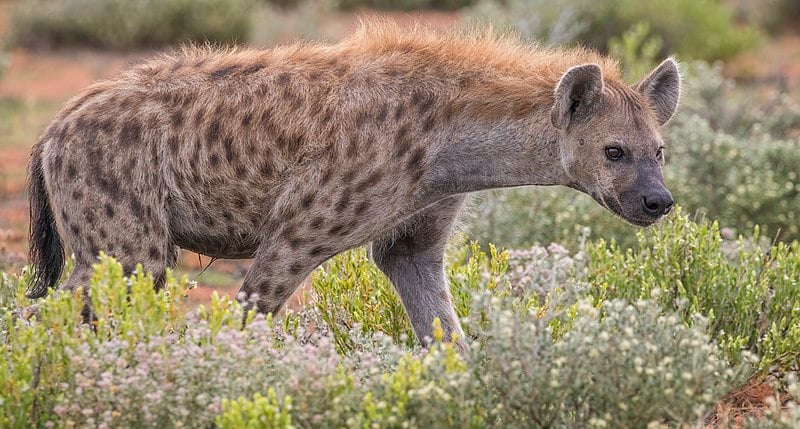
Hyenas are not in the cat family; they belong to their own unique family called Hyaenidae.
Hyenas often evoke a sense of curiosity and misunderstanding. Many people associate them with cats due to their similar physical traits and predatory behaviors, but the truth is much more fascinating. Hyenas are not part of the Felidae family, which includes all true cats. Instead, they belong to a distinct family known as Hyaenidae. This family is comprised of four species: the spotted hyena, the brown hyena, the striped hyena, and the aardwolf. Each of these species exhibits unique characteristics that set them apart from both cats and dogs, despite some superficial similarities.
The Classification of Hyenas
To understand why hyenas are not classified as cats, it’s essential to delve into their taxonomic classification. Taxonomy is the science of naming, defining, and classifying organisms into groups based on shared characteristics. The classification hierarchy includes several levels: domain, kingdom, phylum, class, order, family, genus, and species.
Hyenas fall under the following classification:
- Domain: Eukarya (organisms with complex cells)
- Kingdom: Animalia (multicellular organisms that consume organic material)
- Phylum: Chordata (animals with a backbone)
- Class: Mammalia (warm-blooded vertebrates with fur or hair)
- Order: Carnivora (meat-eating mammals)
- Family: Hyaenidae (the unique family for hyenas)
- Genus: Crocuta (for spotted hyena), Parahyaena (for brown hyena), Hyaena (for striped hyena), and Proteles (for aardwolf)
The key takeaway here is that while both cats and hyenas are part of the order Carnivora, they diverge significantly at the family level. Cats belong to Felidae while hyenas belong to Hyaenidae.
Physical Characteristics of Hyenas
Hyenas possess a variety of physical traits that often lead to confusion regarding their classification. They have robust bodies and strong limbs akin to those of dogs but also exhibit features reminiscent of felines.
Size and Build
Hyenas vary in size across different species. The spotted hyena is the largest among them, weighing between 90 to 190 pounds and measuring about 4 to 5 feet in length. In comparison, the aardwolf is much smaller, weighing around 30 to 60 pounds.
| Species | Weight Range | Length Range |
|---|---|---|
| Spotted Hyena | 90 – 190 lbs | 4 – 5 ft |
| Brown Hyena | 70 – 120 lbs | 4 – 5 ft |
| Striped Hyena | 40 – 90 lbs | 3 – 4 ft |
| Aardwolf | 30 – 60 lbs | 2 – 3 ft |
Their bodies are characterized by powerful jaws capable of crushing bones—a trait that differentiates them from most felids. This unique adaptation allows them to exploit a wide range of food sources in their environment.
Coat and Coloration
The coat of a hyena can vary significantly depending on its species. Spotted hyenas have a coarse coat with spots that provide camouflage in their savanna habitat. Brown hyenas sport long shaggy fur that ranges from dark brown to light tan, while striped hyenas have distinctive stripes on their bodies which help them blend into rocky terrains.
Aardwolves differ from other hyenas in appearance; they have a more slender body with a lighter coat that features vertical stripes along their flanks. Their unique adaptations reflect their dietary habits—primarily feeding on termites—making them less reliant on powerful jaws compared to their larger relatives.
Behavioral Traits
Hyenas exhibit fascinating behaviors that set them apart from both canines and felines. Their social structures and hunting strategies reveal much about their intelligence and adaptability.
Social Structure
Hyenas are known for their complex social systems. Spotted hyenas live in large groups called clans that can consist of up to 80 individuals. These clans are matriarchal; females dominate males in social hierarchy. This structure influences everything from mating rights to feeding priorities within the group.
In contrast, brown and striped hyenas tend to be more solitary or form smaller groups compared to spotted hyenas. Aardwolves are typically found alone or in monogamous pairs during breeding seasons.
Hunting Strategies
While many people perceive hyenas primarily as scavengers that feed on leftovers from other predators’ kills, this view oversimplifies their hunting prowess. Spotted hyenas are skilled hunters capable of taking down prey as large as wildebeests or zebras through coordinated pack hunting strategies.
In contrast, aardwolves primarily consume insects—particularly termites—using specialized teeth adapted for this diet. Their hunting method involves digging into termite mounds using their powerful claws.
The Misconception About Cats
The confusion surrounding whether “Are Hyenas In The Cat Family?” stems largely from cultural representations and media portrayals rather than scientific classifications. Movies often depict these animals as cunning or sly creatures akin to cats due to certain behavioral traits like stealthy movements or vocalizations resembling feline sounds.
However, it’s crucial to recognize that these portrayals do not reflect biological reality. While both cats and hyenas share some behavioral similarities—such as being carnivorous predators—their evolutionary paths diverged millions of years ago.
Evolutionary History
Understanding the evolutionary history provides insight into why these animals have developed such distinct characteristics over time despite being part of the same order Carnivora.
Hyenas originated around 25 million years ago during the Miocene epoch when they diverged from other carnivores like dogs and bears. Fossil evidence suggests that early ancestors resembled modern-day civets rather than either cats or dogs.
As they evolved into specialized scavengers and hunters adapted for life on Africa’s savannas, they developed traits such as powerful jaws for crushing bones—a significant advantage over other carnivores competing for similar resources.
Dietary Habits
Examining dietary habits further clarifies why “Are Hyenas In The Cat Family?” is misleading since these animals possess unique adaptations suited for specific ecological niches rather than resembling typical felids’ predatory behavior patterns.
Spotted hyenas are opportunistic feeders; they hunt live prey but will scavenge when necessary—this adaptability allows them access diverse food sources across various habitats ranging from grasslands to deserts.
Brown and striped hyenas lean more towards scavenging than active hunting but will take advantage of available resources when needed—this behavior showcases flexibility within dietary preferences among different species within Hyaenidae family members.
Aardwolves’ diets primarily consist of insects—specifically termites—which sets them apart entirely from other members within this group since most carnivores rely heavily on larger prey items instead!
Cultural Significance
Throughout history across various cultures worldwide—from ancient Egypt where hieroglyphics depicted these fascinating creatures—to modern-day wildlife documentaries showcasing their behaviors—hyenas have held significant cultural importance beyond mere animal classification issues!
Their reputation often oscillates between villainous caricatures portrayed in popular media versus respected apex predators acknowledged by ecologists studying ecosystems’ dynamics! Understanding how perceptions shape our views helps bridge gaps between science education outreach efforts aiming toward promoting conservation initiatives protecting habitats vital not just for preserving biodiversity but also enriching human experiences interacting with nature!
Conservation Status
Despite being resilient creatures capable of adapting well within changing environments over time; many species face threats due primarily human activities impacting habitats negatively!
Spotted Hyena populations remain stable overall due successful adaptability however threats include habitat loss fragmentation poaching competition livestock grazing leading conflicts with farmers!
Brown & Striped Hyena populations declining significantly due hunting pressures persecution negative perceptions regarding roles ecosystems!
Aardwolf populations relatively stable although localized declines observed areas facing habitat destruction!
Conservation efforts focus protecting natural habitats raising awareness about importance maintaining healthy ecosystems supporting diverse wildlife populations ensuring future generations experience wonders nature offers!
Conclusion – Are Hyenas In The Cat Family?
In conclusion, understanding whether “Are Hyenas In The Cat Family?” requires delving deeper into both scientific classifications alongside behavioral traits distinguishing these remarkable animals from true felids!
Hyenas belong uniquely categorized under Hyaenidae family showcasing diverse adaptations enabling survival across varying environments while maintaining significant roles within ecosystems!
Their fascinating histories coupled with ongoing conservation challenges highlight importance protecting biodiversity ensuring future generations appreciate complexities interconnectedness all living beings share planet Earth!