
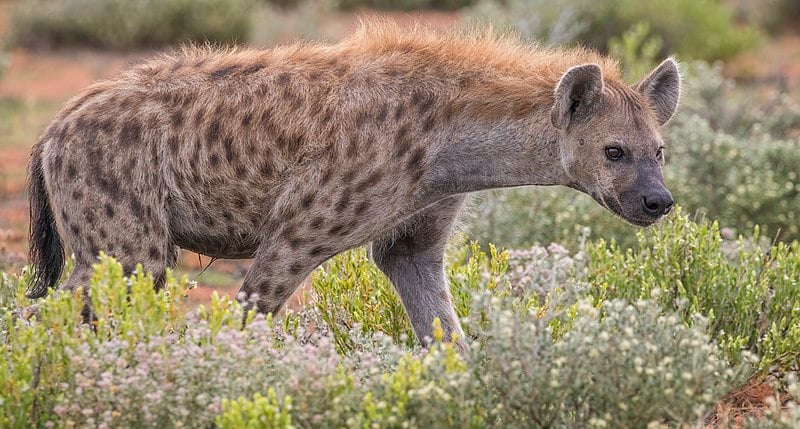
Hyenas share a closer genetic relationship with cats than dogs, despite their dog-like appearance.
Hyenas often evoke images of scavenging beasts in popular culture, but their true nature and classification are far more complex. Understanding the evolutionary ties of hyenas leads to a fascinating exploration of their biology, behavior, and genetics. This article dives deep into the question: Are hyenas more related to cats or dogs? By dissecting scientific studies, anatomical features, and behavioral traits, we can unravel the intricate web of relationships within the animal kingdom.
The Evolutionary Background of Hyenas
Hyenas belong to the family Hyaenidae, which has been around for millions of years. Their evolutionary journey is quite remarkable. They branched off from other carnivorous mammals around 20 million years ago. This timeline places them in a unique position, where they share a common ancestor with both felids (cats) and canids (dogs). However, the divergence that took place led to some surprising outcomes.
The evolutionary tree of carnivores is divided into two main suborders: Feliformia (which includes cats, hyenas, mongooses, and civets) and Caniformia (which includes dogs, bears, seals, and others). Hyenas fall under Feliformia, suggesting that they are more closely related to cats than to dogs. This classification might seem counterintuitive since hyenas often exhibit dog-like behaviors and appearances.
Physical Characteristics: A Closer Look
When examining physical traits, hyenas possess a blend of characteristics that can be misleading. For instance:
- Body Structure: Hyenas have a robust build similar to that of dogs. Their long legs and powerful jaws are designed for hunting and scavenging.
- Skull Shape: The skull structure of hyenas is more akin to that of cats. They have a shorter muzzle compared to dogs and possess specialized teeth that allow them to crush bones.
- Claws: Unlike dogs that have retractable claws, hyena claws are non-retractable like those of cats.
This combination of features makes it easy for one to mistake their classification based solely on appearance. However, genetic evidence provides clarity.
Genetic Evidence
Advancements in genetic testing have shed light on the relationships between various species. A study published in 2015 analyzed mitochondrial DNA from various carnivores. The results were striking; they confirmed that hyenas share about 95% of their DNA with felids.
Here’s a brief overview comparing genetic similarities:
| Species | Genetic Similarity (%) | Relationship |
|---|---|---|
| Hyena – Cat | 95% | Closer Relation |
| Hyena – Dog | 70% | Distant Relation |
| Hyena – Mongoose | 85% | Distant Relation |
| Hyena – Bear | 60% | Distant Relation |
This data reinforces the idea that when it comes to genetics, hyenas are significantly more aligned with cats than with dogs.
Behavioral Traits: The Hyena’s Social Structure
One cannot discuss hyenas without mentioning their social behavior. They are known for living in matriarchal clans led by dominant females. This social structure is reminiscent of certain feline behaviors where females often play a central role in rearing young.
Their hunting strategies also reflect feline traits. Hyenas utilize teamwork during hunts similar to lions but exhibit stealthy stalking techniques reminiscent of house cats. This duality in behavior further complicates their classification as purely dog-like or cat-like.
Interestingly enough, while they can be fierce hunters capable of taking down large prey like wildebeests or zebras, they are also opportunistic feeders—traits shared with both felids and canids.
The Role of Communication in Hyena Society
Communication plays an essential role in the social dynamics within hyena clans. They utilize various vocalizations ranging from whoops and giggles to growls and grunts—sounds that serve different purposes such as signaling danger or coordinating hunts.
These vocalizations bear similarities to those found in both cats and dogs but lean more towards the complex communication systems observed in felids. The ability to convey nuanced messages through sound is another indicator pointing towards their feline lineage.
Intelligence among animals often manifests differently across species. Hyenas demonstrate problem-solving abilities comparable to those seen in primates and dolphins—traits typically associated with higher intelligence levels. Their capacity for strategic planning during hunts showcases cognitive skills akin to those observed in big cats like lions.
Dogs may excel at understanding human commands due to domestication; however, when it comes down to raw problem-solving capabilities under challenging conditions—hyenas take the lead.
A study conducted by researchers at the University of Cambridge found that spotted hyenas could outperform domestic dogs on tasks requiring innovative thinking and adaptability—a testament not only to their intelligence but also their unique evolutionary path.
The Misconceptions Surrounding Hyenas
Despite being fascinating creatures with complex lives, misconceptions abound regarding hyenas’ behavior and role within ecosystems. Commonly portrayed as mere scavengers or villains within narratives has overshadowed their ecological significance.
In reality:
- Predatory Role: Hyenas play an integral role as apex predators within their environments.
- Ecosystem Balance: By controlling prey populations through hunting activities while also scavenging carrion left by larger predators like lions or leopards—they contribute significantly towards maintaining ecological balance.
- Cultural Significance: In many African cultures where they reside—hyenas hold symbolic meanings often representing resilience or adaptability rather than villainy.
Understanding these facets helps reshape how one perceives these incredible animals beyond stereotypes perpetuated by media portrayals throughout history.
The Importance Of Conservation Efforts For Hyena Populations
With habitat loss due largely due human encroachment along with poaching threats looming overhead—hyena populations face significant challenges today resulting from declining numbers across various regions globally.
Conservation initiatives focused on protecting habitats while promoting coexistence between humans & wildlife are crucial steps toward ensuring future survival rates remain stable over time—an effort requiring collaboration among local communities alongside governmental organizations aimed at preserving biodiversity overall!
Efforts include educational campaigns informing locals about ecological importance alongside implementing protective measures safeguarding against poaching incidents targeting not just hyena populations but entire ecosystems too!
In summary—understanding why protecting these remarkable creatures matters extends far beyond mere aesthetics; it involves acknowledging interconnectedness present within nature itself!
Conclusion – Are Hyenas More Related To Cats Or Dogs?
In conclusion, exploring whether hyenas are more related to cats or dogs reveals an intricate tapestry woven through evolution, genetics, behavior patterns—and so much more! While they may resemble dogs superficially—the truth lies deep within their genetic makeup pointing towards closer ties with felids instead!
Understanding this relationship enriches our appreciation for these misunderstood creatures while highlighting the importance of conservation efforts necessary for safeguarding future generations against threats posed by habitat loss & poaching activities alike!
In essence—the question “Are hyenas more related to cats or dogs?” serves not only as a scientific inquiry but also encourages deeper reflection upon our responsibilities toward wildlife conservation overall!