
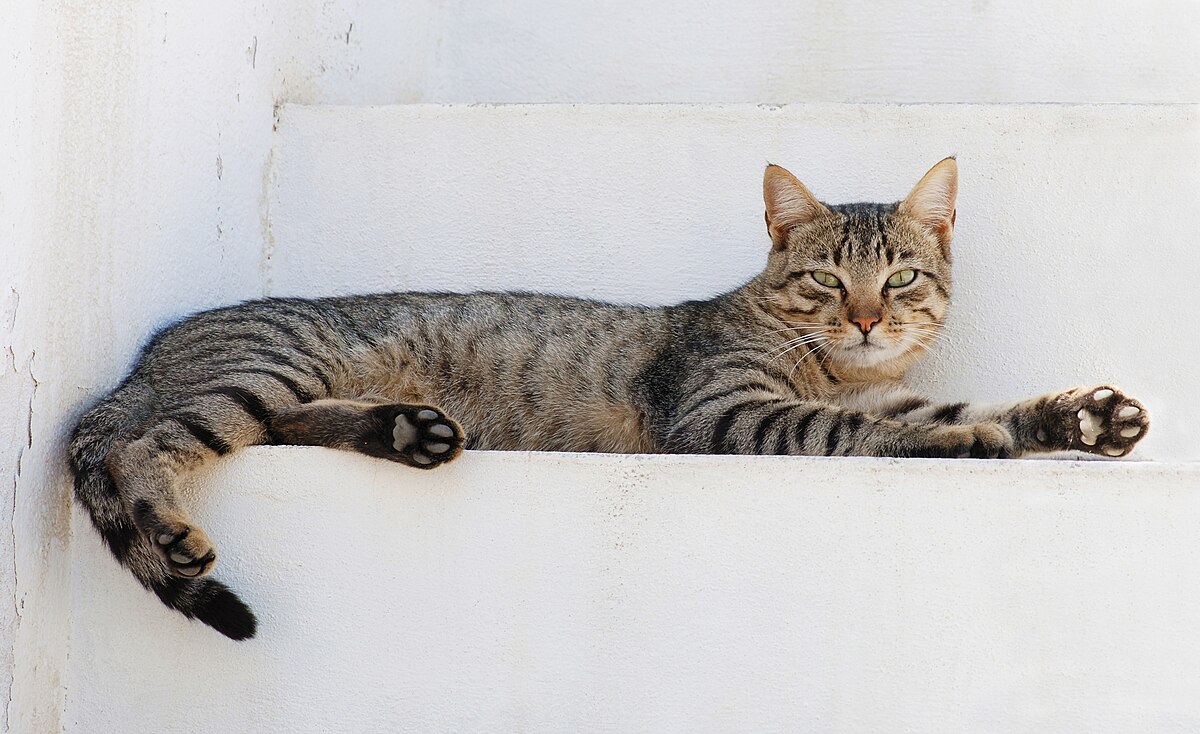
Are Lanternflies poisonous to cats? No, they are not toxic, but caution is still advisable.
The Rise of Lanternflies: A Brief Overview
Lanternflies have taken the spotlight in recent years, becoming a nuisance for many homeowners and gardeners. Originally from Asia, these colorful insects have made their way to North America, particularly in the eastern United States. Their vibrant appearance—marked by striking black bodies and bright red wings—can be quite captivating. However, their impact on local flora and fauna raises concerns. They feed primarily on sap from trees, which can weaken plants and lead to significant damage.
As a cat owner, one might find themselves wondering about the potential dangers these pests pose to their furry friends. The question “Are Lanternflies Poisonous To Cats?” has been on many pet owners’ minds. While it’s crucial to understand that lanternflies are not inherently toxic to cats, there are still several factors worth considering.
Understanding Lanternfly Behavior
Lanternflies are sap-sucking insects that thrive on various tree species, including maples, oaks, and fruit trees. They can cause severe damage by draining the sap from these plants, leading to stress and potential death of the trees. One of the more alarming aspects of lanternflies is their ability to produce honeydew—a sticky substance that can attract other pests like ants and wasps. This honeydew can also lead to sooty mold growth on plants, further harming them.
Interestingly enough, while lanternflies may not be poisonous to cats, their behavior can sometimes create an environment that poses indirect risks. For example, if a cat were to ingest a significant number of these insects or consume a plant affected by them, it could lead to gastrointestinal upset or other health issues. Understanding their behavior helps cat owners take preventive measures.
The Potential Risks of Lanternfly Exposure
While the direct answer to “Are Lanternflies Poisonous To Cats?” is no, it’s essential to consider secondary risks associated with exposure. Cats are naturally curious creatures; they love exploring their surroundings and often find themselves investigating new sights and smells. If a cat decides to nibble on a lanternfly or any plant infested with them, it could experience some adverse effects.
Here’s where things get tricky: while lanternflies themselves aren’t toxic, other factors come into play. For instance, if a cat consumes a large quantity of lanternflies or any contaminated plant material coated with honeydew or mold spores from honeydew excretion, it could lead to digestive issues like vomiting or diarrhea. These symptoms can be distressing for both the cat and its owner.
Common Symptoms After Lanternfly Ingestion
If a curious cat has ingested lanternflies or any affected plants, monitoring for symptoms is crucial. Here’s what might happen:
| Symptom | Description |
|---|---|
| Vomiting | Cat may expel food or liquid; this can occur shortly after ingestion. |
| Diarrhea | Loose stools may occur; hydration becomes essential. |
| Lethargy | A decrease in energy levels; the cat may seem more tired than usual. |
| Loss of Appetite | The cat may refuse food; this could last for several hours. |
| Abdominal Pain | The cat may show signs of discomfort when touched around the belly area. |
Recognizing these symptoms early can help in addressing any potential health issues quickly. If any of these signs appear after exposure to lanternflies or affected plants, consulting with a veterinarian is always the best course of action.
Preventive Measures for Cat Owners
Taking preventive measures is vital for ensuring a safe environment for cats while dealing with lanternfly infestations. Here are some strategies that can help:
1. Regularly Inspect Plants: Keeping an eye on your garden or potted plants will help catch any lanternfly infestations early.
2. Use Natural Repellents: Certain natural repellents can deter lanternflies without harming your pets.
3. Keep Cats Indoors: Limiting outdoor access during peak lanternfly activity seasons can reduce exposure risks.
4. Educate Yourself: Understanding more about lanternfly behavior will help anticipate their presence and prepare accordingly.
By being proactive and vigilant about potential risks associated with these insects, feline owners can create a safer environment for their pets while still managing their gardens effectively.
What If My Cat Eats Lanternflies?
If I found my cat munching on lanternflies or showing signs of distress after possible ingestion, I’d take immediate action. First things first—staying calm is key! Assessing the situation involves checking for any visible symptoms like vomiting or lethargy mentioned earlier.
If my furry friend seems fine but still had an encounter with those pesky bugs, I’d keep an eye out for any delayed reactions over the next few hours. It’s always better safe than sorry! If I notice anything unusual—whether it’s vomiting or loss of appetite—a trip to the vet would be in order.
Veterinarians have seen various cases involving curious cats who get into things they shouldn’t have. They’re well-equipped to handle such situations and provide guidance tailored specifically for each case.
Understanding Cat Behavior Around Insects
Cats are natural hunters; they’re wired to chase after small creatures like insects—even if those insects aren’t dangerous! The instinctual drive makes them prone to investigating anything that moves quickly or has an enticing smell.
This behavior often leads cats into trouble when they encounter potentially harmful creatures—like bees or spiders—or even something as seemingly innocuous as a lanternfly! Understanding this instinctual behavior helps in managing exposure risk effectively.
Creating an enriching indoor environment filled with toys that mimic hunting experiences can redirect this instinct away from real bugs outside! Interactive toys like feather wands or laser pointers keep them entertained while reducing unwanted encounters with pests outdoors.
The Role of Pet Health in Managing Risks
Maintaining overall pet health plays an essential role in risk management regarding environmental threats like lanternflies. Regular check-ups at the vet ensure that vaccinations are up-to-date and preventative medications against parasites (like fleas) are administered consistently.
A healthy diet contributes significantly too! Feeding high-quality food strengthens immune systems while keeping energy levels balanced—this means that if your cat does face minor disturbances from ingesting something unusual (like lanternflies), they’re more likely to bounce back quickly without severe consequences!
Incorporating routine exercise through playtime also promotes physical fitness which helps maintain optimal health overall—keeping our feline friends happy means fewer worries about unexpected encounters!
Community Awareness About Lanternfly Dangers
Raising awareness within communities about potential risks associated with lanternflies benefits not just individual households but entire neighborhoods too! Sharing information about how these pests affect local ecosystems empowers others toward proactive measures—creating healthier environments together!
Community workshops focusing on pest management strategies encourage collaboration among residents toward minimizing infestations effectively while educating everyone involved about safety measures concerning pets as well!
Moreover, local extension services often provide resources regarding pest control methods tailored specifically toward preserving plant life without compromising pet safety—a win-win situation!
Involving local veterinarians in discussions surrounding pet safety concerning environmental threats fosters greater understanding among pet owners; knowing what steps need taking when faced with unexpected situations strengthens community bonds too!
Key Takeaways: Lanternflies
➤ No Toxicity to Cats: Lanternflies are not poisonous to cats but caution is wise.
➤ Indirect Risks Exist: Ingesting many lanternflies may cause digestive upset.
➤ Monitor Symptoms: Watch for vomiting, diarrhea, or lethargy post-ingestion.
➤ Preventive Measures: Inspect plants and limit outdoor access during peak seasons.
➤ Community Awareness: Educating others helps create safer environments for pets.
➤ Community Awareness: Educating others helps create safer environments for pets.
Frequently Asked Questions: Are Lanternflies Poisonous To Cats?
Are lanternflies poisonous to cats?
No, lanternflies are not poisonous to cats. While they do not contain toxins that can harm your feline friend, caution is still necessary. The primary concern arises from the possibility of a cat ingesting a large number of these insects or plants infested with them. Ingesting such materials could lead to gastrointestinal upset.
It’s essential for cat owners to monitor their pets and ensure they do not consume these insects in large quantities. Observing your cat’s behavior and health after potential exposure can help mitigate any risks.
What symptoms should I watch for if my cat eats lanternflies?
If a cat consumes lanternflies, watch for symptoms like vomiting, diarrhea, lethargy, loss of appetite, and abdominal pain. These signs indicate that the cat may be experiencing digestive distress.
The symptoms can vary based on the amount ingested and the individual cat’s sensitivity. If any of these symptoms appear, it’s crucial to consult a veterinarian for appropriate care and guidance.
How can I prevent my cat from interacting with lanternflies?
To keep your cat safe from lanternflies, consider implementing preventive measures such as keeping cats indoors, especially during peak activity seasons. Regularly inspecting plants in your garden can help identify infestations early.
You might also use natural repellents that deter these insects without harming your pets. Creating an engaging indoor environment with toys can redirect your cat’s hunting instincts away from outdoor pests.
What should I do if my cat shows signs of distress after eating lanternflies?
If your cat displays any signs of distress after eating lanternflies, remain calm and assess the situation. Monitor for symptoms like vomiting or lethargy over the next few hours.
If you notice any unusual behavior or persistent symptoms, it’s best to contact your veterinarian promptly. They can provide tailored advice and treatment options based on your cat’s condition.
Are there any indirect risks associated with lanternfly exposure for cats?
Yes, while lanternflies themselves are not toxic, indirect risks exist. If a cat consumes plants contaminated with honeydew produced by lanternflies, it may experience digestive issues due to mold growth or other contaminants.
This highlights the importance of maintaining a clean environment around your home and monitoring what your pet might ingest while exploring outdoors. Being vigilant helps prevent potential health issues related to indirect exposure.
The Bottom Line: Are Lanternflies Poisonous To Cats?
So here we are at last—the burning question answered once and for all: “Are Lanternflies Poisonous To Cats?” The straightforward answer remains no—they’re not toxic creatures per se! However—as discussed throughout this article—caution is always advised due mainly due indirect risks present when dealing with curious kitties exploring their surroundings!
Keeping cats safe involves being aware of potential dangers lurking outside while promoting healthy lifestyles indoors too! By fostering understanding around behaviors related both directly & indirectly related pests like these pesky bugs ensures happy & healthy lives together!
In conclusion—vigilance combined with knowledge serves as our best defense against unforeseen circumstances involving our beloved feline companions interacting accidentally (or intentionally!) with nature’s little nuisances like lanternflies!