
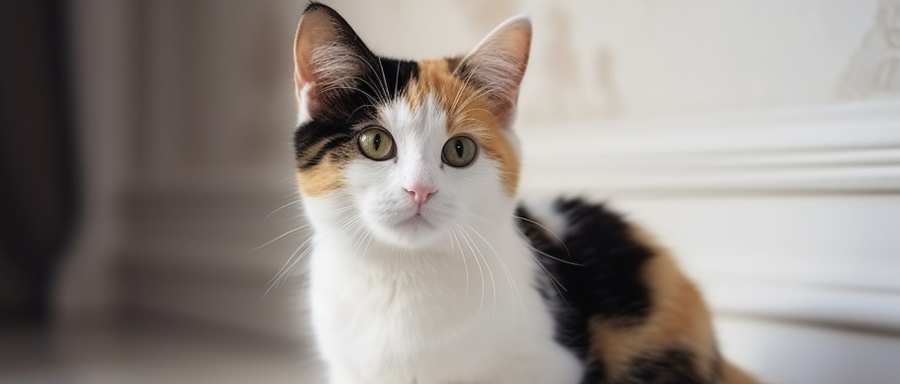
Lilacs are not poisonous for cats, but ingestion can cause mild gastrointestinal upset.
Understanding Lilacs and Their Appeal
Lilacs, with their fragrant blooms and vibrant colors, are a favorite among gardeners and homeowners alike. These beautiful shrubs belong to the genus Syringa and are known for their delightful scent, which often signals the arrival of spring. The flowers can be purple, blue, pink, or white, creating a stunning visual display that draws both humans and pets to their presence. It’s easy to see why many people want to include lilacs in their gardens. However, pet owners often worry about the safety of these plants around their furry friends.
Cats are naturally curious creatures. They explore their environment in various ways, including sniffing and sometimes nibbling on plants. This curiosity can lead to concerns about whether certain plants are safe for them. Lilacs might be a common garden plant, but understanding their safety in relation to cats is essential for any pet owner.
What Makes a Plant Poisonous?
To determine if lilacs are harmful to cats, it’s crucial to understand what constitutes a poisonous plant. Poisonous plants contain substances that can cause adverse effects when ingested. These substances may be alkaloids, glycosides, or other toxic compounds that interfere with normal bodily functions.
The severity of the reaction depends on several factors: the type of plant, the amount ingested, and the individual animal’s sensitivity. Some animals may react severely to small amounts of certain plants while others may show no signs at all. This variability makes it essential for pet owners to be cautious and informed about the plants in their surroundings.
Are Lilacs Toxic? A Closer Look
Research indicates that lilacs are non-toxic to cats. The ASPCA (American Society for the Prevention of Cruelty to Animals) lists lilacs as safe for cats. This means that if a cat nibbles on a lilac flower or leaf, it is unlikely to suffer from severe poisoning or life-threatening reactions.
However, just because lilacs aren’t toxic doesn’t mean they should be freely consumed by pets. While they don’t contain harmful compounds like some other common garden plants—such as lilies or azaleas—they can still cause mild gastrointestinal issues if ingested in larger quantities.
Cats might experience symptoms like vomiting or diarrhea after eating parts of a lilac plant. These symptoms typically arise due to the cat’s digestive system reacting negatively to any foreign substance rather than from toxicity per se.
Signs Your Cat Might Have Ingested Something Unusual
Even though lilacs aren’t harmful, it’s wise for pet owners to keep an eye on their furry companions after potential plant ingestion. Here are some signs that may indicate your cat has consumed something unusual:
- Vomiting: Frequent vomiting could indicate an upset stomach.
- Diarrhea: Loose stools can result from dietary indiscretion.
- Lethargy: A sudden drop in energy levels may occur.
- Loss of appetite: If your cat refuses food, it could signal discomfort.
- Excessive drooling: Increased saliva production may suggest nausea.
If any of these symptoms arise after your cat has been near lilacs—or any other unfamiliar plant—monitor them closely. Mild symptoms may resolve without intervention; however, if they persist or worsen, seeking veterinary advice is always recommended.
The Role of Curiosity in Cats
Cats often exhibit behaviors driven by curiosity; they explore their environment through taste and smell. This instinctual behavior is rooted in their ancestry as hunters and explorers. While this trait keeps them engaged and mentally stimulated, it also poses risks when they encounter potentially harmful substances.
It’s not uncommon for cats to chew on houseplants or garden flowers out of sheer curiosity. As a responsible pet owner, creating a safe environment involves knowing which plants are safe and which should be avoided entirely.
While lilacs pose minimal risk compared to many other plants—like poinsettias or philodendrons—it’s still important to monitor your cat’s interactions with all flora around them.
A Safe Garden Environment for Cats
Creating a pet-friendly garden involves careful selection of plants that won’t harm curious felines while still allowing you to enjoy beautiful blooms like lilacs. Here’s how you can cultivate a safe outdoor space:
- Select Non-Toxic Plants: Research which plants are safe for cats before planting.
- Create Barriers: Use fencing or raised beds to limit access to certain areas.
- Provide Alternatives: Consider planting catnip or cat grass as safer options.
- Monitor Outdoor Time: Supervise your cat while outside; this allows you to intervene if they start munching on something unsafe.
By taking these steps, you create an environment where both your garden thrives and your cat remains safe from potential hazards.
Caring for Your Cat After Plant Ingestion
If you suspect your cat has nibbled on some lilac leaves or flowers and is showing mild symptoms like vomiting or diarrhea, there are several steps you can take at home:
1. Hydration: Make sure fresh water is available at all times; hydration is crucial.
2. Monitor Symptoms: Keep track of how long symptoms last; most mild cases resolve within a day.
3. Dietary Adjustments: If vomiting occurs frequently, consider withholding food for several hours before reintroducing bland food gradually.
4. Consult Your Vet: If symptoms persist beyond 24 hours or worsen significantly—such as blood in vomit or severe lethargy—contact your veterinarian immediately.
Taking these precautions ensures that even if your cat does interact with non-toxic plants like lilacs, you’re prepared for any minor issues that might arise.
The Benefits of Having Lilacs Around
While concerns about plant safety are valid among pet owners, there are also numerous benefits associated with having lilacs in one’s garden:
- Aesthetic Appeal: Lilacs add beauty and color during blooming seasons.
- Aromatic Qualities: Their fragrance can enhance outdoor spaces significantly.
- Biodiversity Support: They attract beneficial pollinators such as bees and butterflies.
- Cultural Significance: Many cultures celebrate the blooming season with festivals centered around flowers like lilacs.
These factors contribute not only to personal enjoyment but also promote environmental health by supporting local ecosystems.
The Importance of Education About Plants
Understanding which plants pose risks versus those that do not is essential knowledge for any pet owner or gardener alike. Many common household items—from household cleaners to certain foods—can pose risks if ingested by pets.
Education plays a vital role in ensuring pets remain safe within our homes and gardens:
- Research: Familiarize yourself with lists of toxic vs non-toxic plants.
- Community Resources: Utilize local resources such as veterinary clinics or community workshops focused on pet safety.
- Engagement: Join online forums where fellow pet owners share experiences regarding plant safety.
Having access to accurate information empowers pet owners to make informed decisions about what’s best for their furry companions.
The Role of Veterinary Guidance
Veterinarians serve as invaluable resources when it comes to understanding potential hazards associated with various plants and substances around the home:
- Regular Check-Ups: Routine visits allow veterinarians not only check overall health but also provide guidance specific to environmental risks.
- Emergency Protocols: Knowing what steps need taken during emergencies involving potential poisoning helps alleviate panic during stressful situations.
- Advice on Diets: Vets can provide recommendations tailored specifically towards managing dietary needs while ensuring safety regarding treats from gardens or houses alike.
Maintaining open communication with veterinary professionals ensures peace of mind when navigating questions concerning our beloved pets’ well-being amidst beautiful flora.
The Bottom Line: Are Lilacs Poisonous For Cats?
In conclusion—are lilacs poisonous for cats? The answer is no; lilacs aren’t toxic! While they’re generally safe options around feline friends due mainly due lack significant harmful compounds present within them—it remains prudent always monitor interactions just in case minor gastrointestinal upset occurs post-ingestion!
Ultimately creating harmonious coexistence between gorgeous gardens filled vibrant blooms alongside playful kitties revolves around education awareness surrounding plant safety practices ensuring everyone enjoys time spent outdoors together worry-free!
With proper care taken both indoors outdoors—cats thrive alongside beautiful flora enriching lives filled laughter joy!