
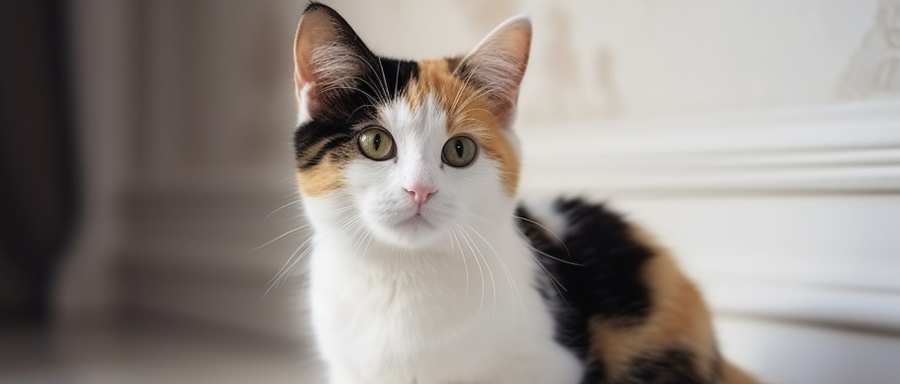
Marshmallows are not toxic to cats, but they offer no nutritional benefits and can pose health risks.
Cats are curious creatures, and their inquisitive nature often leads them to explore the world around them, including our snacks. One question that frequently arises among cat owners is, “Are marshmallows good for cats?” While it might be tempting to share a treat with a beloved feline, it’s essential to understand the implications of doing so.
Marshmallows are primarily made from sugar, corn syrup, and gelatin. These ingredients are not harmful in small quantities, but they don’t provide any nutritional value. In fact, feeding marshmallows to cats can lead to various health issues due to their high sugar content and lack of essential nutrients.
The Ingredients of Marshmallows
To fully grasp whether marshmallows are suitable for a cat’s diet, it’s crucial to look at their ingredients. Here’s a breakdown:
| Ingredient | Potential Effects on Cats |
|---|---|
| Sugar | Can lead to obesity and dental issues. |
| Corn Syrup | High in carbohydrates; can cause digestive upset. |
| Gelatin | Generally safe but offers no real nutrition. |
| Artificial Flavors/Colors | May cause allergic reactions or sensitivities. |
| Preservatives | Some may be harmful; always check labels. |
The primary component of marshmallows is sugar. Cats do not require sugar in their diet as they are obligate carnivores. Their bodies metabolize protein and fat far more efficiently than carbohydrates. Excessive sugar intake can lead to obesity, diabetes, and other metabolic disorders.
Corn syrup is another ingredient that raises concerns. It’s high in calories and offers no nutritional benefits for cats. Regular consumption can upset a cat’s digestive system and contribute to weight gain.
Gelatin is typically safe for cats. It can be found in various pet foods as a source of protein. However, the gelatin found in marshmallows is not a significant source of nutrition.
Artificial flavors and colors often included in marshmallow recipes could potentially trigger allergies or sensitivities in some cats. Preservatives might also pose risks depending on what specific chemicals are used.
The Health Risks of Feeding Marshmallows to Cats
While one marshmallow here or there may not immediately harm a cat, it’s vital to consider the long-term implications of regularly feeding sugary treats like these.
One of the most pressing concerns is obesity. Many cat owners underestimate how quickly extra calories from treats can add up. A few sugary snacks here and there might seem harmless, but over time they can lead to significant weight gain. Obesity in cats can result in serious health issues such as diabetes mellitus, arthritis, and cardiovascular problems.
Another risk associated with feeding marshmallows is dental health. Cats that consume sugary foods are prone to dental decay and periodontal disease. The sticky nature of marshmallows can also lead to plaque buildup on their teeth.
Digestive upset is another potential issue when introducing marshmallows into a cat’s diet. Cats have sensitive stomachs; sudden changes or new foods can result in vomiting or diarrhea.
Alternatives to Marshmallows for Treats
If looking for ways to treat a feline friend without the risks associated with marshmallows, several healthier alternatives exist:
1. Cooked Meat: Small pieces of chicken or turkey provide protein without added sugars.
2. Catnip: Many cats enjoy catnip as a treat; it’s safe and non-toxic.
3. Commercial Cat Treats: Numerous brands offer treats specifically formulated for cats that cater to their dietary needs.
4. Freeze-Dried Fish: This option provides protein while being low in carbohydrates.
These alternatives offer more substantial nutritional benefits while still pleasing your pet’s palate.
Cats’ Nutritional Needs Explained
Understanding what constitutes a healthy diet for cats helps clarify why treats like marshmallows fall short.
Cats require specific nutrients that support their health: proteins, fats, vitamins, and minerals must come from animal sources primarily since felines lack certain enzymes necessary for digesting plant matter efficiently.
Protein serves as the cornerstone of a cat’s diet; it supports muscle development and overall bodily functions. Fats provide energy and promote healthy skin and coat condition while also aiding in the absorption of fat-soluble vitamins (A, D, E, K).
Vitamins such as taurine are essential for heart health; deficiency can lead to severe consequences like heart disease or vision problems if not addressed promptly.
Incorporating a balanced diet rich in these nutrients ensures optimal health for felines rather than relying on empty-calorie snacks like marshmallows.
The Role of Treats in a Cat’s Diet
Treats play an essential role in bonding between owners and pets when used appropriately but should account for only 10% of daily caloric intake at most.
Using treats wisely promotes positive behavior reinforcement during training sessions or simply rewards good behavior throughout the day without compromising overall nutrition quality!
However, moderation remains critical; too many treats—especially those lacking nutritional value—can quickly derail an otherwise balanced diet leading back into discussions about obesity again!
Understanding Feline Behavior Towards Food
Cats exhibit fascinating behaviors regarding food consumption influenced by instinctual traits honed over thousands of years as hunters! Their natural inclination towards seeking out high-protein meals shapes preferences today too!
When presented with novel items such as marshmallows—often sweet-smelling—curiosity piques interest leading many owners into temptation believing they’re offering something special! Yet understanding how instinctual behaviors drive these decisions helps clarify why some choices may not align well with feline dietary needs!
Additionally—cats possess unique taste buds compared with humans; they lack receptors responsible for tasting sweetness! This means while we may find sugary treats appealing—they may not elicit the same response from our furry friends!
Instead—focusing on flavors aligned more closely with natural prey items enhances enjoyment while respecting dietary requirements simultaneously!
The Importance of Proper Feeding Practices
Feeding practices significantly impact feline well-being! Regular meal schedules promote stability within daily routines reducing anxiety stemming from uncertainty surrounding food availability!
Offering appropriate portion sizes tailored specifically toward age weight activity level ensures optimal nutrient absorption while preventing overeating situations too!
It’s best practice always to consult veterinarians regarding specific dietary recommendations based on individual circumstances rather than relying solely on anecdotal evidence surrounding popular food trends circulating online!
Maintaining open communication channels between pet owners veterinarians fosters healthy lifestyles benefiting both parties involved ultimately leading happier healthier lives together!
Conclusion – Are Marshmallows Good For Cats?
In conclusion—while marshmallows aren’t toxic per se—they certainly don’t provide any real benefits either! The potential risks associated far outweigh any perceived enjoyment derived from offering them occasionally! Prioritizing nutritious alternatives ensures maintaining optimal health within feline companions while fostering stronger bonds through shared experiences centered around wholesome choices instead!
Ultimately—it’s about making informed decisions respecting individual needs ensuring long-lasting happiness together through thoughtful care practices throughout every stage life shared together!