
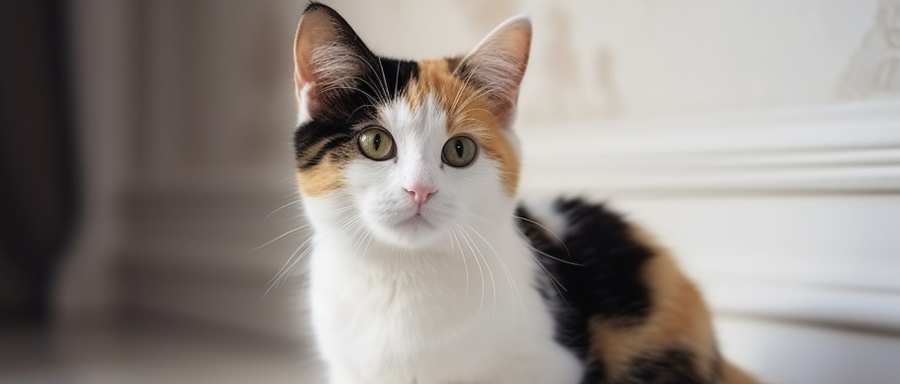
Marshmallows are not toxic to cats, but they offer no nutritional value and can pose health risks if consumed in large quantities.
Cats are curious creatures, often exploring the world around them with their keen senses. It’s not unusual for a cat to sniff out a treat that’s been left unattended, and marshmallows often fall into that category. While they might seem harmless, it’s crucial to understand the implications of feeding marshmallows to our feline friends.
The Composition of Marshmallows
Marshmallows are primarily made up of sugar, water, and gelatin. The sugar provides sweetness, while gelatin gives marshmallows their characteristic texture. Some marshmallows may also contain flavorings or additives that enhance their taste or appearance. The high sugar content is a significant concern when considering whether to share this treat with a cat.
Cats are obligate carnivores, meaning their diet should primarily consist of meat. Their digestive systems aren’t designed to process large amounts of sugar or carbohydrates found in treats like marshmallows. While a small piece may not cause immediate harm, it’s essential to consider the long-term effects of feeding sugary snacks to cats.
Health Risks Associated with Marshmallow Consumption
Feeding marshmallows to cats can lead to various health issues. Here are some potential risks:
1. Obesity
Cats are prone to obesity, which can lead to serious health problems such as diabetes and joint issues. The high sugar content in marshmallows contributes unnecessary calories that can quickly add up if consumed regularly.
2. Gastrointestinal Distress
Cats have sensitive stomachs. Eating marshmallows can result in gastrointestinal upset, leading to symptoms like vomiting or diarrhea. This discomfort can be distressing for both the cat and the owner.
3. Potential Allergies
Some cats may have food sensitivities or allergies to certain ingredients found in marshmallows, such as gelatin or artificial flavorings. These allergies can manifest as skin irritations or digestive issues.
4. Choking Hazard
Marshmallows are soft yet chewy, which can pose a choking risk for smaller cats or those that tend to swallow their food whole without chewing properly.
Nutritional Value: Is It Worth It?
When considering whether to give a cat a treat like a marshmallow, it’s essential to evaluate its nutritional value. Below is a table summarizing the main components of marshmallows:
| Nutrient | Amount per 100g |
|---|---|
| Calories | 318 kcal |
| Sugars | 77 g |
| Protein | 0 g |
| Fat | 0 g |
| Fiber | 0 g |
| Sodium | 7 mg |
From this table, it’s clear that marshmallows provide no significant nutritional benefits for cats. They contain empty calories with no protein or essential nutrients that cats need for their health and well-being.
The Role of Sugar in a Cat’s Diet
Sugar is generally not recommended for cats. Unlike humans and some other animals, cats lack the taste receptors for sweetness and do not derive pleasure from sugary foods in the same way we do. Their bodies also do not metabolize sugar efficiently, making them susceptible to weight gain and other metabolic disorders when given sugary treats regularly.
The occasional tiny piece of marshmallow might not cause immediate harm; however, it could foster habits leading to more frequent indulgence in unhealthy foods. Establishing good dietary habits early on is crucial for maintaining a cat’s health throughout its life.
Alternatives to Marshmallows for Treats
If looking for safe treats for feline companions, there are plenty of healthier options available:
Treats Rich in Protein
Cats thrive on protein-rich diets; therefore, treats like cooked chicken or turkey pieces make excellent choices. These options align with their natural dietary needs and provide essential nutrients without unnecessary sugars.
Canned Cat Food as Treats
Offering small portions of high-quality canned cat food can serve as an enticing treat while ensuring proper nutrition is met at the same time.
Dried Fish or Meat Treats
Commercially available dried fish or meat treats designed specifically for cats provide protein-packed snacks that most felines find irresistible.
The Bottom Line: Are Marshmallows Toxic To Cats?
While marshmallows aren’t classified as toxic substances for cats, they certainly don’t provide any benefits either. The potential health risks associated with consuming these sugary treats outweigh any momentary enjoyment they might bring.
It’s always best practice to stick with treats formulated specifically for feline dietary needs—those that promote good health rather than jeopardizing it through empty calories and potential digestive distress.
In conclusion, while enjoying sweets like marshmallows is commonplace among humans during festive occasions or casual snacking moments, it’s wise to keep these indulgences away from our pets’ reach—especially when considering the question: Are Marshmallows Toxic To Cats? The answer leans toward no toxicity but raises significant concerns regarding overall health implications if consumed regularly or in larger quantities than intended.