
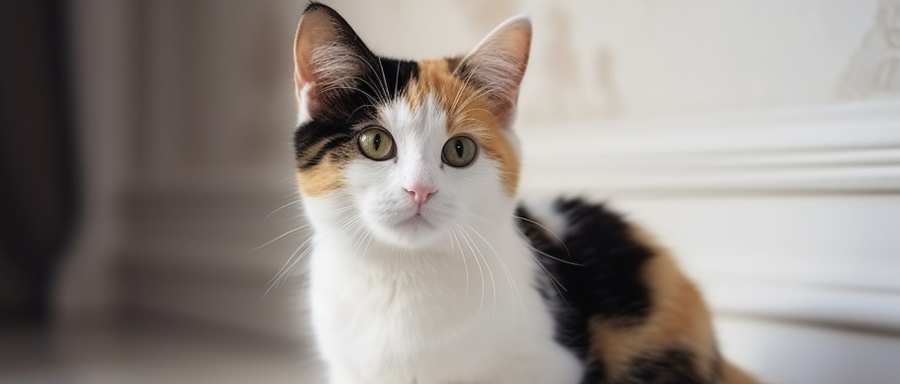
Miniature roses are generally non-toxic to cats, but ingestion may cause mild gastrointestinal upset.
Understanding Miniature Roses
Miniature roses, often celebrated for their charming size and vibrant colors, are a popular choice among plant lovers. These petite blooms can add a delightful touch to any garden or indoor space. Unlike their larger counterparts, miniature roses are bred specifically to remain small, making them ideal for containers and small gardens. They typically grow between 12 to 18 inches tall and produce flowers in various shades from deep red to soft pink.
Despite their beauty, many pet owners harbor concerns about the safety of these plants around their furry friends. It’s essential to delve into the characteristics of miniature roses, including their potential toxicity to cats. Understanding the basic biology of these plants can help clarify whether they pose any risks to pets.
The Composition of Miniature Roses
Miniature roses belong to the Rosa genus, which includes over 300 species of flowering plants. These flowers contain several compounds that contribute to their fragrance and color. While some plants harbor toxic compounds, miniature roses are generally not known for having harmful substances. Key components found in miniature roses include:
- Flavonoids: These compounds contribute to the color and flavor of the flowers.
- Tannins: Present in many plants, tannins can affect taste but are not toxic.
- Essential oils: These provide the characteristic scent but are not harmful in small amounts.
A key point is that while these components may cause mild digestive upset if consumed in large quantities, they do not contain specific toxins known to harm cats. Therefore, it’s crucial for pet owners to monitor their pets around these plants.
Potential Risks of Ingestion
Even though miniature roses aren’t classified as toxic to cats, ingestion can lead to some mild health issues. Cats are curious creatures by nature and often nibble on plants out of curiosity or boredom. If a cat consumes parts of a miniature rose plant—be it leaves, stems, or petals—it may experience some gastrointestinal discomfort.
Common symptoms of mild ingestion may include:
- Vomiting: This is the most common reaction when a cat eats something it shouldn’t.
- Diarrhea: Another potential consequence of consuming non-toxic plants.
- Lethargy: A cat may feel more tired than usual after ingesting something indigestible.
While these symptoms sound alarming, they typically resolve quickly without medical intervention. However, if a cat shows severe symptoms or doesn’t improve after a day or two, it’s wise to consult a veterinarian.
Caring for Miniature Roses Around Cats
For those who wish to keep miniature roses while ensuring the safety of their feline companions, there are several strategies that can be employed:
Placement Matters
Placing miniature roses in areas that are out of reach for curious cats is essential. Hanging baskets or high shelves can be effective solutions. This way, your beautiful blooms remain safe from inquisitive paws while still brightening up your living space.
Alternative Plants
If there is significant concern about plant safety around pets, consider opting for alternative houseplants that are known to be non-toxic. Some safe options include spider plants and Boston ferns. These provide greenery without the worry associated with other species.
Distraction Techniques
Providing plenty of engaging toys and activities can keep cats entertained and less likely to explore houseplants. Interactive toys that stimulate mental engagement can divert attention away from your miniature roses.
The Importance of Monitoring Behavior
Keeping an eye on your cat’s behavior around houseplants is crucial. If a cat seems overly interested in the miniature roses—sniffing excessively or attempting to nibble—this might indicate boredom or curiosity that needs addressing.
Cats exhibit various behaviors when they’re exploring their environment:
- Pawing at Plants: This behavior might suggest curiosity about textures or smells.
- Nibbling: A sign that they might want a taste; this should be discouraged gently.
- Sneezing or Coughing: If this occurs after being near the plant, it could indicate an allergic reaction or irritation.
Monitoring these behaviors allows pet owners to intervene before any potential issues arise.
A Closer Look at Toxicity in Plants
Understanding plant toxicity is vital for any pet owner. Many common household plants can pose risks due to specific toxic compounds they contain. Here’s an overview:
| Plant Name | Toxicity Level | Main Symptoms if Ingested |
|---|---|---|
| Lilies | High | Kidney failure in cats; vomiting; lethargy. |
| Poinsettias | Mild | Mild irritation; vomiting; diarrhea. |
| Aloe Vera | Mild-Medium | Drooling; vomiting; diarrhea; lethargy. |
| Sago Palm | High | Liver failure; vomiting; seizures. |
The table above illustrates various household plants alongside their toxicity levels and symptoms observed upon ingestion. This information helps pet owners make informed decisions about which plants are safe for their homes.
In contrast with many houseplants listed above, miniature roses do not fall into the high-risk category for feline toxicity. They represent a safer option while still providing beauty and charm within living spaces.
Cats’ Natural Instincts and Plant Interaction
Cats have an innate curiosity about their surroundings, which often leads them towards exploring various textures and tastes found in nature—including those offered by plants like miniature roses. This instinctual behavior isn’t just limited to curiosity; it also serves practical purposes such as aiding digestion through natural herb consumption.
Many cat owners have noticed how felines enjoy chewing on grass or other leafy greens occasionally—this behavior indicates an instinctual drive towards plant interaction that dates back centuries when wild ancestors relied on local flora for sustenance.
Providing alternatives such as cat grass (like wheatgrass) allows cats an outlet for this natural inclination without risking exposure to potentially harmful substances found in other household plants.
A Final Word on Plant Safety Around Pets
Ensuring a harmonious coexistence between pets and houseplants requires diligence but doesn’t need excessive worry regarding every bloom brought into the home environment—especially with non-toxic options like miniature roses available!
Being aware goes beyond just knowledge about individual species’ toxicity levels; it also involves observing how pets interact with greenery present within shared spaces regularly.
With proper care strategies implemented alongside awareness regarding potential risks associated with certain flora types—pet owners can create beautiful indoor gardens filled with life while maintaining peace of mind!
Conclusion – Are Miniature Roses Toxic To Cats?
In summary, while concerns about plant safety around pets are valid and crucial for responsible ownership practices—miniature roses stand out as primarily safe options within households where curious felines roam freely! Monitoring interactions between pets and flora ensures optimal well-being on both fronts—creating stunning environments filled with vibrant blossoms without compromising our beloved companions’ health!