
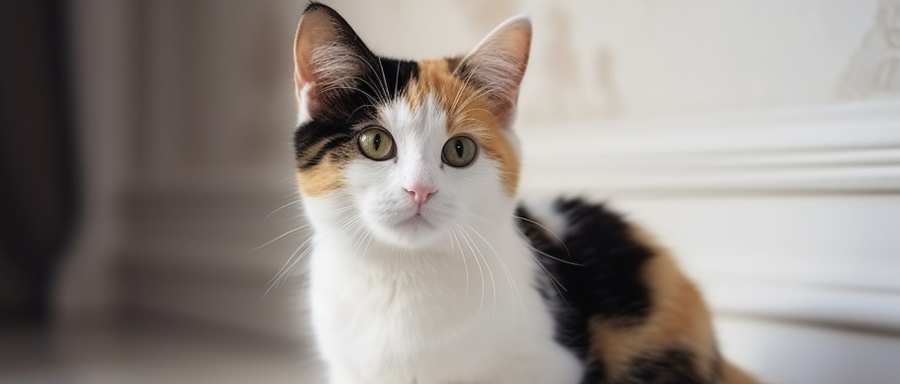
Black cats are not predominantly female; their gender distribution is nearly even, influenced by genetics and breeding.
The Fascination with Black Cats
Black cats have long been shrouded in mystery and superstition. Many cultures regard them as symbols of bad luck, while others celebrate them as bringers of good fortune. This duality adds to their allure. People often wonder about their characteristics, behaviors, and even their gender distribution. The question, “Are Most Black Cats Female?” arises frequently among cat enthusiasts and casual observers alike. Delving into this topic reveals not just the facts about black cats but also the cultural narratives that surround them.
Understanding the demographics of black cats requires a closer look at feline genetics and breeding practices. Contrary to popular belief, the color of a cat’s fur does not significantly influence its gender. Instead, genetics plays a pivotal role in determining the color patterns seen in felines.
Genetics Behind Cat Colors
The genetics of cat coloration is fascinating. The gene responsible for black fur is known as the “B” gene. This dominant gene produces eumelanin, which gives black cats their dark coat. Interestingly, the distribution of colors in domestic cats isn’t random; it’s influenced by specific genetic combinations.
To understand why black cats might appear more female or male in certain contexts, consider the following:
- X-linked Genes: The gene responsible for orange fur is located on the X chromosome. Since females have two X chromosomes (XX), they can inherit different color genes from each parent, leading to tortoiseshell or calico patterns. Males, having only one X chromosome (XY), will display either orange or non-orange (black) but cannot be both.
- Black Cat Breeds: Certain breeds are more likely to produce black cats. For instance, breeds like the Bombay are predominantly black due to selective breeding practices focusing on this trait.
The overall ratio of male to female cats tends to be close to 1:1 across various breeds and colors, including black cats. However, specific breeds may have slight variations that could skew perceptions.
Statistics on Cat Gender Distribution
To provide clarity on gender distribution among black cats, here’s a simple table showcasing various cat breeds and their average male-to-female ratios:
| Cat Breed | Male (%) | Female (%) |
|---|---|---|
| Domestic Shorthair | 50% | 50% |
| Bombay | 55% | 45% |
| Sphynx | 48% | 52% |
| Maine Coon | 49% | 51% |
| Bengal | 52% | 48% |
As illustrated in this table, most cat breeds maintain a fairly balanced gender ratio. The slight variations seen in specific breeds do not indicate a predominant trend toward female black cats.
Cultural Perceptions of Black Cats
Cultural beliefs significantly impact how people view black cats. In some societies, they’re considered harbingers of misfortune; in others, they symbolize prosperity and protection. These perceptions can influence adoption rates and how often people encounter male versus female black cats.
In regions where superstition prevails regarding bad luck associated with black cats, potential adopters may shy away from adopting them altogether—regardless of gender. Conversely, in cultures where they’re viewed positively, there may be an increased interest in adopting these felines.
Interestingly enough, statistics indicate that fewer black cats are adopted from shelters compared to other colors due to these superstitions. This disparity can lead to an unbalanced population within shelters that might skew perceptions regarding gender distributions among available adoptees.
The Role of Spaying and Neutering
Spaying and neutering play crucial roles in managing cat populations and influencing gender ratios within shelters and communities. These procedures help control overpopulation by preventing unwanted litters—essentially stabilizing the number of males and females within any given area.
In many communities where spaying/neutering programs are actively promoted—especially for stray or feral populations—the number of available male versus female cats tends to balance out more evenly over time. This means that regardless of breed or color—black included—the overall population remains relatively stable.
Spaying females can also impact shelter demographics since unspayed females tend to give birth more frequently than males can father offspring alone! Thus, promoting these procedures directly influences future generations’ availability.
The Importance of Adoption Awareness
Raising awareness about adoption can help dispel myths surrounding black cats and encourage potential pet owners to consider adopting them—regardless of their color or gender! Various campaigns focus on highlighting the beauty and uniqueness found within these felines while addressing misconceptions surrounding them.
Organizations often feature stories about individual black cats who’ve overcome adversity or found loving homes despite initial reluctance due to their color. Sharing such narratives fosters empathy towards these animals—encouraging people everywhere to adopt rather than shop!
Moreover, fostering community support for local shelters helps ensure that all animals receive equal opportunities regardless of appearance! By promoting education alongside outreach efforts focused on adopting diverse pets—including those perceived negatively—we can create lasting change within our communities!
The Behavioral Traits of Black Cats
Behaviorally speaking, there isn’t much difference between male and female black cats compared to other colors or breeds! Individual personalities vary widely based on upbringing rather than coat color alone—meaning factors like socialization during kittenhood play significant roles in shaping behavior later on!
Many people describe their experiences with black cat ownership as incredibly rewarding; they often display affectionate tendencies similar to any other feline companion! Some believe that certain traits associated with “blackness”—such as being more playful or curious—may stem from cultural narratives rather than inherent differences between genders themselves!
It’s essential not only for prospective owners but also current ones—to appreciate each animal’s individuality irrespective of stereotypes tied into coloring schemes! Understanding this helps break down barriers between pet lovers while fostering deeper connections with all kinds!
Conclusion – Are Most Black Cats Female?
The question “Are Most Black Cats Female?” leads us through a fascinating exploration into feline genetics, cultural beliefs about color symbolism, adoption trends affecting populations at shelters—and ultimately reinforces an important truth: there isn’t anything inherently different about male versus female black cats!
By fostering awareness surrounding adoption practices while appreciating each cat’s unique personality traits—regardless of appearance—we pave pathways towards creating inclusive environments for all animals! Embracing diversity means celebrating every shade—from vibrant oranges through sleek blacks—and acknowledging how each contributes uniquely towards enriching our lives together!