
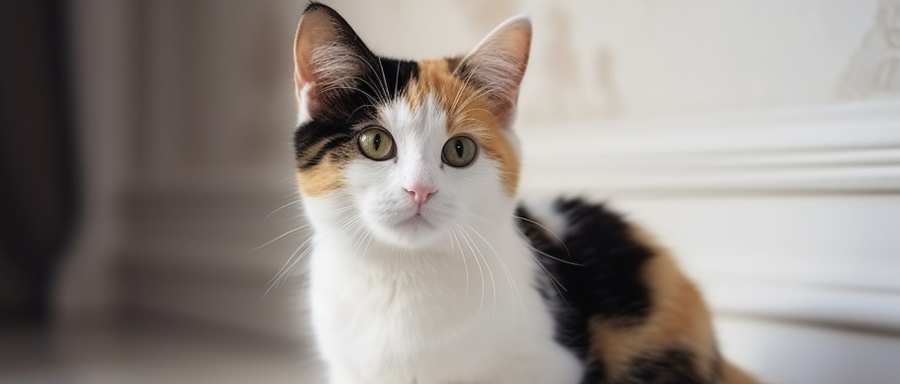
Mums, or chrysanthemums, are indeed toxic to cats and dogs, causing gastrointestinal upset and other health issues.
The Beauty of Mums
Mums, short for chrysanthemums, are a popular choice in gardens and floral arrangements. Their vibrant colors and various shapes make them a favorite among gardeners and homeowners alike. With shades ranging from deep reds to bright yellows, these flowers add a touch of beauty to any space. However, while they may be visually appealing, it’s crucial to understand their potential risks to our furry friends.
These flowers bloom in the fall, making them a seasonal favorite. They symbolize joy and optimism in many cultures. However, despite their cheerful appearance, there are hidden dangers associated with mums that every pet owner should be aware of. The last thing anyone wants is for their beloved pets to suffer due to something as innocent as a flower.
Understanding Toxicity in Plants
Plant toxicity is an essential topic for pet owners. Many common household plants can pose serious health risks to cats and dogs. Toxic plants can cause various symptoms ranging from mild gastrointestinal discomfort to severe reactions that may require veterinary attention. Mums belong to a larger family of plants known as the Asteraceae family, which includes daisies and sunflowers.
The toxic components in mums are primarily pyrethrins. These compounds can lead to symptoms like vomiting, diarrhea, excessive drooling, and even lethargy in pets that ingest them. Understanding how these compounds affect pets is vital for prevention and care.
Symptoms of Mum Poisoning
Recognizing the signs of mum poisoning is crucial for timely intervention. Here’s a list of common symptoms that may arise if a cat or dog ingests mums:
- Vomiting
- Diarrhea
- Excessive drooling
- Lethargy
- Loss of appetite
- Skin irritation (if they come into contact with the plant)
If any of these symptoms appear after your pet has been near mums, it’s essential to seek veterinary care immediately. Early intervention can make a significant difference in recovery.
Safe Alternatives to Mums
For those who love flowers but want to keep their pets safe, several alternatives exist that provide beauty without the risk. Consider planting pet-friendly varieties instead. Here are some options:
| Flower Type | Pet-Friendly? | Notes |
|---|---|---|
| Roses | Yes | Beautiful blooms; ensure no thorns are accessible. |
| Pansies | Yes | A colorful addition; safe for pets. |
| Basil (herb) | Yes | A fragrant herb that pets often love. |
| Zinnias | Yes | A hardy flower; adds vibrancy without toxicity. |
| Snapdragons | Yes | A playful flower shape; safe for furry friends. |
| Carnations | No | Toxic if ingested; avoid around pets. |
Choosing pet-friendly plants allows for beautiful gardens without compromising the health of beloved animals.
Caring for Pets Around Mums
If you have decided to keep mums despite their toxicity or have them in your garden or home already, there are several steps one can take to minimize risks:
1. Placement Matters: Keep mums out of reach from curious paws and noses. High shelves or hanging baskets can deter pets from accessing these flowers.
2. Education: Teaching pets commands like “leave it” can help prevent them from nibbling on harmful plants.
3. Supervision: Keep an eye on pets when they’re outside or in areas where mums are present.
4. Regular Checks: Inspect your garden regularly for any signs of chewing or digging around mum plants.
Taking proactive measures can significantly reduce the risk associated with having toxic plants around.
The Role of Veterinary Care
Regular veterinary check-ups play an essential role in maintaining your pet’s health. If there’s ever uncertainty about what your pet has ingested or if they display unusual behavior after being around certain plants, consulting with a veterinarian is crucial.
Veterinarians can provide guidance on managing potential poisoning cases and recommend treatments if necessary. It’s always better to err on the side of caution when it comes to our furry companions.
The Importance of Awareness Among Pet Owners
Awareness about plant toxicity is vital not just for individual pet owners but also within communities at large. Many people may not know that certain seemingly harmless flowers pose risks to their animals.
Sharing information about toxic plants through community workshops or local vet clinics could help educate others about safe gardening practices and promote pet safety awareness.
In addition, online resources exist where pet owners can learn more about plant toxicity and share experiences with others facing similar challenges.
The Impact on Different Pets
While this article focuses primarily on cats and dogs concerning mum toxicity, it’s important to note that different species react differently based on their unique biology.
For example:
- Cats tend to be more sensitive than dogs regarding plant ingestion due to their grooming habits.
- Dogs, being more exploratory by nature, might be more prone to chewing on plants indiscriminately.
Understanding these differences helps tailor approaches toward keeping various types of pets safe from harmful flora.
Coping Strategies for Pet Owners
For those who have already experienced incidents involving mum poisoning or other toxic plants with their pets, coping strategies become crucial:
1. Stay Calm: It’s easy to panic when faced with potential poisoning situations; however, remaining calm allows better decision-making.
2. Seek Immediate Help: If you suspect ingestion has occurred—contacting your vet right away is essential.
3. Document Symptoms: Keeping track of observed symptoms can provide valuable information during veterinary consultations.
4. Learn from Experience: Reflecting on what led up to the incident helps prevent future occurrences—whether through better supervision or plant choices.
Building knowledge around these topics fosters resilience among pet owners while ensuring safer environments for all furry friends involved!
Conclusion – Are Mums Poisonous To Cats And Dogs?
Understanding whether “Are Mums Poisonous To Cats And Dogs?” is critical for every pet owner who enjoys gardening or decorating with flowers indoors. While these beautiful blooms bring joy into homes during fall seasons, they also carry inherent risks due primarily due pyrethrins present within them which can lead various adverse reactions if ingested by curious cats or dogs alike!
By taking precautionary measures such as choosing safer alternatives while educating oneself about potential dangers posed by certain flora—pet owners contribute significantly towards creating healthier living spaces where both humans & animals thrive harmoniously together!