
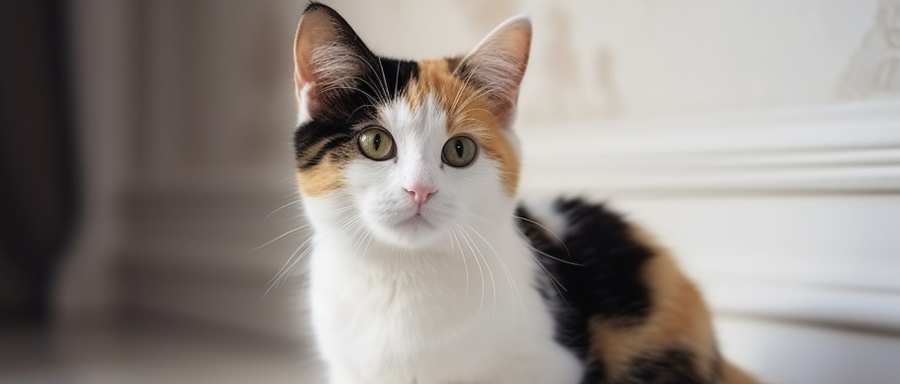
Nuts are not recommended for cats due to potential toxicity and digestive issues.
Cats are fascinating creatures, full of quirks and unique dietary needs. As a cat owner, it’s natural to wonder about what foods can be shared with these furry friends. One question that often arises is, “Are nuts good for cats?” While nuts are a popular snack for humans, the same doesn’t hold true for our feline companions.
Understanding a cat’s dietary requirements is crucial for their health and well-being. Cats are obligate carnivores, meaning their diet primarily consists of meat. This biological fact shapes their nutritional needs and influences what foods can be safely included in their diets. Let’s dive deeper into the world of nuts and explore why they may not be the best choice for our feline friends.
The Nutritional Profile of Nuts
Nuts come packed with nutrients that are beneficial for humans. They contain healthy fats, protein, vitamins, and minerals. Here’s a brief overview of some common nuts and their nutritional components:
| Nut Type | Protein (g) | Fat (g) | Carbohydrates (g) | Fiber (g) |
|---|---|---|---|---|
| Almonds | 21 | 49 | 22 | 12 |
| Walnuts | 15 | 65 | 14 | 7 |
| Pistachios | 20 | 45 | 28 | 10 |
| Pecans | 9 | 72 | 14 | 9 |
While these numbers might seem impressive, they don’t translate well to a cat’s diet. The high fat content in nuts can lead to digestive issues in cats and could even result in pancreatitis if consumed in large quantities.
Toxicity Concerns with Nuts
Many types of nuts pose specific risks to cats. For example, macadamia nuts are known to be toxic to dogs, but they can also cause gastrointestinal upset in cats. Symptoms might include vomiting, diarrhea, and lethargy. While the toxicity level isn’t as severe as it is for some other foods like chocolate or onions, it’s still a cause for concern.
Another nut that raises eyebrows is the walnut. Walnuts can harbor mold that produces tremorgenic mycotoxins, which can affect both dogs and cats if ingested. The risk of mold exposure increases when walnuts sit around for too long or aren’t stored properly.
The Digestive System of Cats
A cat’s digestive system is tailored for processing animal-based proteins rather than plant materials like nuts. Their stomachs produce strong acids designed to break down meat efficiently. Nuts, on the other hand, contain complex carbohydrates and fibers that cats struggle to digest.
When cats consume nuts, they may experience gastrointestinal discomfort such as bloating or gas. Additionally, the hard texture of many nuts poses a choking hazard or could lead to dental issues if they try to chew them.
Nutritional Needs of Cats vs. Humans
Humans thrive on a varied diet that includes fruits, vegetables, grains, and nuts. In contrast, cats require specific nutrients found primarily in animal products:
- Taurine: An essential amino acid critical for heart health.
- Arachidonic Acid: A fatty acid necessary for skin health.
- Vitamin A: Found in animal tissue; important for vision.
These nutrients are not present in sufficient amounts within nuts or other plant-based foods.
If looking to treat a cat with something special, there are plenty of options that align better with their dietary needs:
- Cooked Meat: Small pieces of chicken or turkey make excellent treats.
- Fish: Cooked fish like salmon can be an occasional delight.
- Commercial Cat Treats: Many brands formulate treats specifically designed to meet feline nutritional requirements.
Choosing appropriate treats ensures that your cat receives necessary nutrients without risking their health.
The Role of Plant-Based Foods in Cat Diets
While cats primarily thrive on meat-based diets, some plant materials can be beneficial when provided in moderation:
- Catnip: A delightful herb that many cats enjoy.
- Pumpkin: Can aid digestion when offered in small amounts.
These options provide enrichment without compromising health like nuts do.
Nut butters have gained popularity among pet owners as potential treats; however, caution is advised here too. Peanut butter is often considered safe in small amounts but should always be free from xylitol—a sweetener toxic to pets.
Even so, nut butters still contain high fat levels; moderation is key if ever offered as an occasional treat.
In summary, the answer to “Are nuts good for cats?” leans heavily toward no. While they may offer some nutritional benefits for humans, the risks associated with feeding them to cats far outweigh any potential advantages. The high-fat content poses digestive risks while certain nuts may even harbor toxins harmful to felines.
Instead of reaching for those tempting nutty snacks next time you’re sharing food with your furry friend, consider safer alternatives tailored specifically toward their unique dietary needs—because keeping them healthy should always come first!