
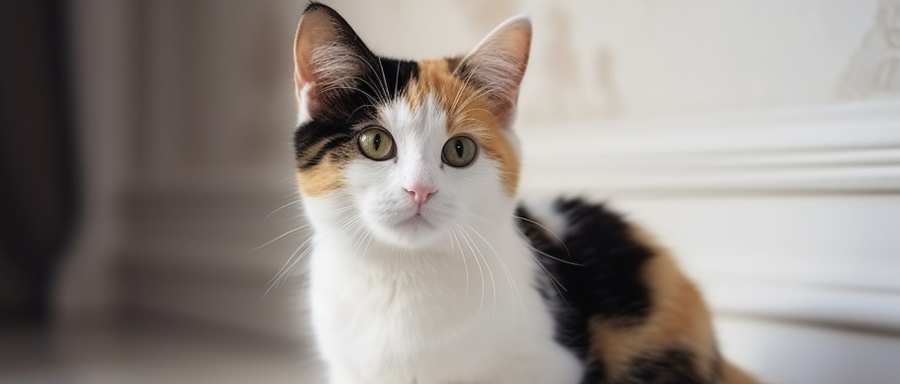
Orchids are generally safe for cats, making them a great addition to pet-friendly homes.
Orchids, with their stunning blooms and exotic appeal, often find their way into homes as decorative plants. For cat lovers, the question arises: Are orchids safe around cats? This concern is entirely valid, especially considering how curious and sometimes mischievous our feline companions can be.
Understanding the relationship between pets and plants involves delving into the intricacies of plant toxicity. Not all plants pose a threat to cats. In fact, many common houseplants are not only harmless but can also enhance the living environment for both pets and their owners. Orchids fall into this category, which is a relief for those who adore these beautiful flowers.
The Basics of Orchid Safety
When evaluating whether orchids are safe around cats, it’s essential to understand what makes a plant toxic or non-toxic. Toxicity in plants usually stems from specific compounds that can cause adverse reactions in animals. Fortunately, most orchids do not contain harmful substances that would endanger a cat’s health if ingested.
The American Society for the Prevention of Cruelty to Animals (ASPCA) lists various types of orchids as non-toxic to cats. This classification means that while it’s best to discourage nibbling on any plant, should a curious cat take a bite out of an orchid leaf or flower, there’s no immediate cause for alarm.
Common Types of Orchids
There are numerous species of orchids, each with its unique characteristics. Here’s a brief overview of some popular types:
| Orchid Type | Description | Cat Safety |
|---|---|---|
| Phalaenopsis (Moth Orchid) | Known for its wide range of colors and long-lasting blooms. | Non-toxic |
| Cattleya | Famous for its fragrant flowers and vibrant colors. | Non-toxic |
| Dendrobium | A diverse genus with many species; often seen in bouquets. | Non-toxic |
| Oncidium (Dancing Lady Orchid) | Recognizable by its unique flower shape resembling dancing ladies. | Non-toxic |
| Cymbidium | A popular choice for floral arrangements due to its large blooms. | Non-toxic |
This table highlights some common orchid varieties that are safe for households with cats. Each type has its charm and beauty while ensuring peace of mind regarding pet safety.
The Curiosity Factor: Why Cats Might Nibble on Plants
Cats are naturally curious creatures; they explore their environments with an inquisitive spirit. This behavior often leads them to investigate houseplants. The reasons behind this curiosity can vary:
1. Instinctual Behavior: Cats have instincts that drive them to explore their surroundings thoroughly. Plants might attract them due to their movement or texture.
2. Taste Exploration: Some cats enjoy tasting different textures and flavors found in leaves or flowers.
3. Boredom: Indoor cats might resort to nibbling on plants out of sheer boredom if they lack stimulation.
4. Health Reasons: Some theories suggest that cats may instinctively consume certain plants to aid digestion or induce vomiting when feeling unwell.
While it’s crucial to understand these motivations, knowing that orchids are non-toxic provides reassurance when allowing felines access to these beautiful plants.
The Signs of Plant Toxicity in Cats
Even though orchids are generally safe around cats, it’s beneficial to recognize signs of potential toxicity from other plants just in case your home contains any harmful varieties. Symptoms may include:
- Vomiting: Frequent vomiting can indicate that a cat has ingested something harmful.
- Diarrhea: Digestive upset is another sign.
- Lethargy: A noticeable decrease in energy levels might suggest illness.
- Excessive Drooling: This could indicate oral irritation from toxic substances.
- Loss of Appetite: A sudden change in eating habits may be alarming.
If any of these symptoms appear after your cat has interacted with a plant, it’s best to consult a veterinarian immediately.
Caring for Orchids in a Cat-Friendly Home
Maintaining healthy orchids while ensuring the safety of your feline friends requires some thoughtful practices:
1. Placement Matters: Positioning orchids out of reach can deter curious paws from exploring them too closely. Hanging baskets or high shelves work well.
2. Regular Maintenance: Keeping orchids well-watered and cared for reduces the chances they’ll wilt or drop leaves, which may attract your cat’s attention.
3. Using Non-Toxic Fertilizers: If fertilizing is necessary, opt for organic options known to be safe around pets.
4. Monitor Interactions: Observing how your cat interacts with houseplants can help identify any potential issues early on.
5. Provide Alternatives: Offering designated cat-safe plants like cat grass can divert attention away from orchids while satisfying their need to nibble on greenery.
By implementing these strategies, it’s possible to enjoy the beauty of orchids without compromising the safety and well-being of beloved pets.
The Benefits of Having Orchids at Home
Incorporating orchids into home decor offers several advantages beyond mere aesthetics:
- Air Quality Improvement: Like many houseplants, orchids contribute positively by filtering indoor air pollutants.
- Mood Enhancement: The presence of flowering plants can uplift spirits and create a calming atmosphere within living spaces.
- Educational Opportunities: Caring for orchids provides an excellent opportunity for learning about botany and horticulture—an engaging activity for families with children.
- Aesthetic Appeal: Nothing compares to the vibrant colors and elegant shapes offered by various orchid species, making them focal points within any room.
The benefits extend beyond simple decoration; they contribute positively to overall well-being while keeping safety at the forefront concerning feline companions.
Conclusion – Are Orchids Safe Around Cats?
In summary, the question “Are orchids safe around cats?” finds an affirmative answer in most cases—yes! Orchids are generally non-toxic and pose little risk if ingested by curious felines. Their beauty enhances living spaces without compromising pet safety when proper care practices are followed.
Creating an environment where both pets and plants coexist harmoniously requires thoughtful consideration but proves rewarding in many ways—visually and emotionally alike! By understanding both feline behavior and plant care needs, it becomes possible to cultivate an inviting home filled with life—both human and botanical!
In conclusion, enjoying stunning orchids alongside playful cats is entirely feasible as long as one remains vigilant about monitoring interactions while providing alternative options for feline curiosity!