
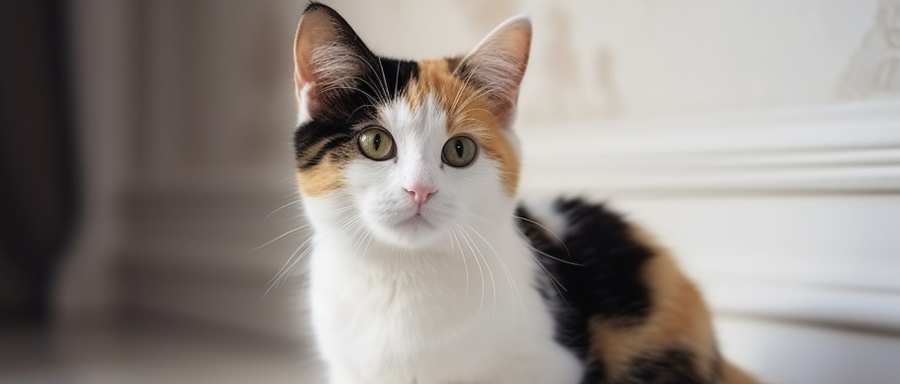
Paper white flowers are not considered poisonous to cats, but ingestion can still cause mild gastrointestinal upset.
The Allure of Paper White Flowers
Paper white flowers, also known as Narcissus papyraceus, are a popular choice for indoor gardens and holiday decorations. Their stunning white blossoms and delightful fragrance make them a favorite among many flower enthusiasts. These plants typically bloom in winter and early spring, providing a much-needed burst of color during the colder months. However, with the joy of having these lovely flowers comes the responsibility of ensuring they are safe for pets, particularly cats, who are known for their curious nature.
In many households, cats roam freely, exploring every nook and cranny. This inquisitiveness can lead to them nibbling on plants. As a cat owner, it’s essential to be aware of which plants are safe and which could pose a risk to feline friends. While paper whites may not be toxic in the traditional sense, understanding their effects on cats is crucial.
Understanding Plant Toxicity: What Does It Mean?
Plant toxicity refers to the harmful effects that certain plants can have when ingested by animals or humans. Toxic plants contain compounds that can lead to various health issues ranging from mild irritation to severe poisoning. The severity often depends on the type of plant and the amount consumed.
For instance, some plants may cause only mild stomach upset or drooling when ingested in small amounts, while others can lead to more severe symptoms like vomiting, diarrhea, or even organ failure. It’s important to recognize that even non-toxic plants can cause discomfort if ingested in large quantities.
Common Symptoms of Plant Ingestion in Cats
If a cat has ingested part of a plant, several symptoms may arise. These can include:
- Vomiting
- Diarrhea
- Lethargy
- Loss of appetite
- Excessive drooling
- Abdominal pain or discomfort
While these symptoms don’t necessarily indicate poisoning from paper white flowers specifically, they should prompt immediate attention from a veterinarian if they persist or worsen.
Are Paper White Flowers Poisonous To Cats?
The question “Are paper white flowers poisonous to cats?” is one that many pet owners ponder when introducing new plants into their homes. Fortunately, research indicates that paper white flowers are not classified as toxic to cats by reputable sources such as the ASPCA (American Society for the Prevention of Cruelty to Animals).
However, it’s important to note that while they are not considered toxic in small amounts, ingestion could still lead to gastrointestinal upset due to their bulbous nature and fibrous content. This means that while your kitty might not face dire consequences from munching on these blooms, it could still result in an uncomfortable experience.
The Bulb Dilemma: Are Bulbs Dangerous?
The bulbs of paper white flowers contain compounds that can be irritating to pets if consumed. Though the flowers themselves may be relatively safe in small quantities, the bulbs pose a greater risk due to their concentrated nature. Symptoms such as vomiting and diarrhea may occur if a cat decides to dig into the bulb.
If you have paper white flowers at home, keeping them out of reach from curious paws is wise. Placing them on high shelves or using hanging planters can help minimize the risk of your cat getting into trouble.
Preventing Plant-Related Incidents with Cats
Creating a pet-safe environment involves more than just knowing which plants are toxic; it also requires proactive measures to prevent any unwanted snacking on foliage.
Strategies for Keeping Cats Safe Around Plants
Here are some effective strategies for ensuring your feline friend stays safe around your beloved houseplants:
- Plant Placement: Positioning plants out of reach is crucial. Use high shelves or hanging pots where your cat cannot access.
- Cat Grass: Providing cat grass or other safe alternatives allows your cat to indulge its natural urge to chew without risking harm.
- Pheromone Sprays: Using pheromone sprays designed for cats can help deter them from areas where plants are located.
- Cage Enclosures: For particularly curious cats or valuable plants, consider using cages or enclosures designed specifically for plant protection.
- Avoiding Temptation: If certain types of foliage attract your cat more than others, consider removing those plants altogether.
By implementing these strategies, pet owners can create an environment where both their pets and beloved plants coexist safely.
The Benefits of Having Paper White Flowers at Home
Despite concerns about plant safety around pets, there are numerous benefits associated with having paper white flowers indoors. Their aesthetic appeal is undeniable; they brighten up any room with their elegant appearance and sweet fragrance.
Beyond their beauty, these flowers also contribute positively to indoor air quality by filtering toxins from the air and promoting overall well-being. The act of caring for plants has been shown to reduce stress levels and enhance mood—a little green therapy right at home!
Caring for Paper White Flowers: Tips and Tricks
Caring for paper whites is relatively straightforward but does require attention during their growing season:
- Watering: Ensure they receive adequate water but avoid overwatering as this can lead to root rot.
- Light Conditions: Place them in bright but indirect sunlight; too much direct sun can scorch their delicate petals.
- Temperature: They thrive in cooler temperatures (around 60-65°F) which helps prolong flowering time.
- Pest Management: Keep an eye out for common pests like aphids or mealybugs; treating infestations promptly will keep your blooms healthy.
With proper care and attention, these lovely flowers will flourish beautifully indoors.
The Emotional Connection Between Pets and Plants
Many pet owners share a deep emotional bond with their animals as well as with their houseplants. Both bring joy into homes through companionship and beauty alike. Understanding how these two elements interact—especially when considering safety—can enhance this relationship further.
Cats often find comfort in being around greenery; it provides stimulation through scent and texture while also serving as an engaging playground! The sight of vibrant blooms combined with playful antics creates an atmosphere filled with warmth and happiness.
However, balancing this joy with safety is key—ensuring peace of mind allows everyone involved—both pets and humans—to enjoy each other’s company fully without worry about potential hazards lurking nearby.
The Role of Education in Pet Safety
Education plays an essential role in ensuring pets remain safe from harmful substances found within common household items—including various types of flora! Being informed about which plants pose risks enables pet owners like myself (and others) to make better choices regarding what goes inside our homes.
Resources such as veterinary clinics or online databases provide valuable information regarding plant toxicity levels specific not only towards cats but also dogs or other animals too! Staying informed empowers individuals by allowing them greater control over their environments while reducing potential hazards significantly!
In addition to seeking knowledge about specific species’ toxicity levels—being aware of general signs indicating something might be amiss after ingestion helps facilitate timely intervention should an incident occur!
A Closer Look at Other Common Houseplants
While discussing whether “Are paper white flowers poisonous to cats?” it’s worth examining other popular houseplants that often share homes with our furry friends:
| Plant Name | Toxicity Level (to Cats) | Main Symptoms if Ingested | Safety Tips |
|---|---|---|---|
| Lily (Lilium spp.) | Toxic | Kidney failure; vomiting; lethargy; | Avoid having lilies indoors altogether! |
| Pothos (Epipremnum aureum) | Mildly Toxic | Irritation; vomiting; | Keeps out-of-reach; consider alternatives! |
| Aloe Vera | Mildly Toxic | Diarreah; lethargy; | Avoid allowing access! |
| Bamboo Palm (Chamaedorea seifrizii) | Nontoxic | N/A | A great option! |
| Spathiphyllum (Peace Lily) | Mildly Toxic | Irritation; swelling; | Keeps away from curious paws! |
| Cactus (Cactaceae) | Nontoxic | N/A | Please avoid sharp spines! |
This table illustrates various houseplants alongside their toxicity levels concerning cats along with suggested safety tips! By remaining vigilant about what types reside within living spaces—owners help safeguard both beloved pets & cherished greenery alike!
The Bottom Line: Safety First!
Understanding whether “Are paper white flowers poisonous to cats?” leads us down an important path toward