
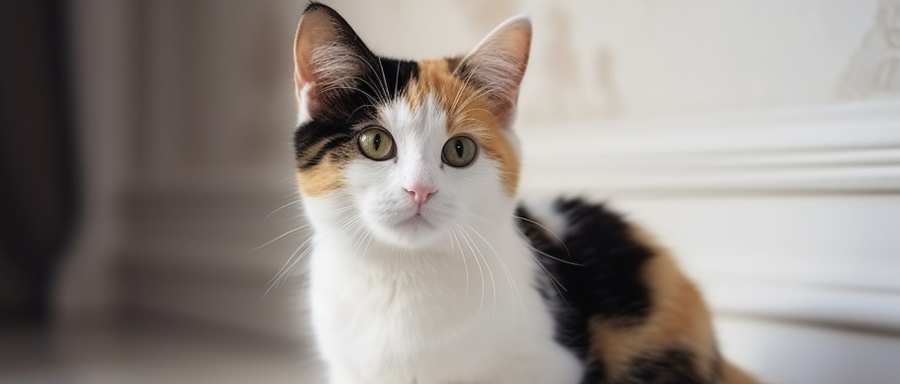
Yes, peace lily leaves are toxic to cats and can cause various health issues if ingested.
Understanding Peace Lilies
Peace lilies, scientifically known as Spathiphyllum, are popular houseplants admired for their attractive foliage and elegant white blooms. These plants thrive in low-light conditions and require minimal care, making them a favorite among plant enthusiasts. However, while they bring beauty into homes, it’s essential to recognize that peace lilies contain compounds that can be harmful to pets, particularly cats.
The primary toxic component in peace lilies is calcium oxalate crystals. These sharp crystals can irritate the mouth and throat of any animal that chews on the leaves. The presence of these crystals is a natural defense mechanism for the plant against herbivores. Understanding the implications of having peace lilies in a home with cats is crucial for pet owners.
Signs of Toxicity in Cats
When a cat ingests part of a peace lily, several symptoms may manifest. It’s vital to monitor for these signs to ensure prompt treatment if necessary. Common symptoms include:
- Drooling: Excessive salivation often occurs as a reaction to irritation in the mouth.
- Vomiting: This is a common response as the body attempts to rid itself of the toxin.
- Difficulty Swallowing: The irritation caused by the crystals may make swallowing painful.
- Lethargy: Affected cats may become unusually tired or inactive.
- Loss of Appetite: Cats may refuse food due to discomfort.
Recognizing these signs early can make a significant difference in managing your cat’s health after exposure to peace lilies.
What Happens When Cats Ingest Peace Lily Leaves?
Upon ingestion, the sharp calcium oxalate crystals can cause immediate discomfort. The irritation usually starts in the mouth and throat but can extend throughout the gastrointestinal tract if larger amounts are consumed. The severity of symptoms often depends on how much was ingested and how sensitive the individual cat is to these compounds.
In most cases, mild symptoms like drooling and vomiting will resolve on their own within a few hours. However, more severe reactions can occur, especially if a cat has underlying health issues or if it consumes a larger quantity of leaves. In rare instances, ingestion might lead to respiratory distress due to swelling or severe gastrointestinal upset.
Safe Alternatives to Peace Lilies
For pet owners who love plants but want to ensure their furry friends remain safe, several non-toxic alternatives exist. Here are some popular options:
| Plant Name | Toxicity Level | Care Requirements |
|---|---|---|
| Spider Plant | Non-toxic | Low light; water when dry |
| Bamboo Palm | Non-toxic | Indirect light; keep soil moist |
| Ponytail Palm | Non-toxic | Bright light; water sparingly |
| Areca Palm | Non-toxic | Bright indirect light; regular watering |
| Zebra Plant (Haworthia) | Non-toxic | Bright light; allow soil to dry out between waterings |
These plants not only add greenery but also ensure that pets remain safe from harmful substances.
Caring for Your Cat After Ingestion
If there’s any suspicion that a cat has ingested peace lily leaves, immediate action is necessary. First and foremost, it’s essential not to panic. Observing your cat closely for any signs of distress will help determine the next steps.
1. Remove Access: Ensure that all peace lilies are out of reach from your cat.
2. Monitor Symptoms: Keep an eye on any symptoms mentioned earlier.
3. Consult a Veterinarian: If symptoms persist or worsen, contacting a veterinarian should be your next step. They may recommend bringing your cat in for an examination or suggest home care strategies based on the severity of symptoms.
In some cases, veterinarians might recommend inducing vomiting if ingestion was recent and significant amounts were consumed. However, this should only be done under professional guidance as it could lead to further complications.
The Importance of Education for Pet Owners
Understanding which plants are safe or toxic is crucial for anyone who shares their home with pets. Many common household plants are harmful not only to cats but also dogs and other animals. Educating oneself about plant toxicity helps prevent accidental poisoning incidents.
There are numerous resources available online and through local veterinary clinics that provide lists of toxic vs. non-toxic plants for pets. Keeping this information handy can save time and potentially protect beloved pets from harm.
Moreover, discussing any new plant purchases with veterinarians can provide additional insights into safe practices when introducing new greenery into your home environment.
Conclusion – Are Peace Lily Leaves Poisonous To Cats?
Yes, peace lily leaves are indeed poisonous to cats due to their calcium oxalate content. While they add beauty and elegance to indoor spaces, it’s vital for pet owners to consider their safety before bringing such plants into homes with feline companions.
Taking proactive measures—like opting for non-toxic plants or ensuring peace lilies are placed out of reach—can significantly reduce risks associated with plant toxicity in pets. Ultimately, knowledge is power when it comes to keeping our furry friends safe while still enjoying the pleasures that indoor gardening brings.