
Automatic vacuum and mop combos have turned floor cleaning from a weekend chore into a background task. These robots self-empty their bins, wash their mops, and navigate around furniture with LiDAR precision, but the real performance gap lies in suction power measured in Pascals and how the mop mechanism handles wet messes without dragging dirt across carpets.
I’m Mo Mahin — the founder and writer behind Furric. I’ve spent thousands of hours analyzing product data sheets, cross-referencing real owner feedback, and comparing the proprietary mopping technologies that separate a model from a flagship.
Whether you’re replacing an aging single-purpose vac or upgrading from a manual mop, the right best automatic vacuum and mop delivers deep suction, intelligent carpet avoidance, and a self-maintenance station that keeps the unit ready for the next cycle without intervention.
How To Choose The Best Automatic Vacuum And Mop
The category has matured beyond simple suction-and-spray bots. Today’s models use LiDAR for mapping, onboard AI for obstacle recognition, and docks that wash and dry the mop between runs. Three specifications define the real-world difference between a frustrating unit and a reliable workhorse.
Suction Power and Brush Configuration
Suction is measured in Pascals (Pa). Entry-level units hover around 5,000 Pa, while high-end machines push past 25,000 Pa. Higher Pa matters most for carpeted homes because embedded pet hair and fine dust require more airflow lift. Brush design is equally critical: a tangle-resistant DuoBrush with rubber and bristle combination reduces hair wrap, and an extending side brush ensures debris near baseboards gets swept into the cleaning path.
Mop Type and Carpet Handling
Spinning pad mops apply rotational friction to lift stains, but they can push dirt into carpet edges if the pad does not lift. Roller mops use a continuously rotating cloth that washes itself with clean water as it moves, virtually eliminating cross-contamination. The key specification is mop-lift height — a unit must mechanically raise the pad or retract the roller by at least 10 mm to keep rugs dry. Some premium models also deploy side shields on carpets for additional moisture protection.
Dock Self-Maintenance and Battery Runtime
The station determines how long you can ignore the robot. Look for a self-emptying bin that holds 45 to 120 days of debris (bagged or bagless). Battery runtime matters for homes over 1,500 sq. ft.: a 150‑minute battery with auto‑resume covers large floor plans without stopping. Dock features like hot-water mop washing (100°F – 212°F), warm-air drying, and auto-refill of clean water extend the hands‑off period from days to weeks.
Quick Comparison
On smaller screens, swipe sideways to see the full table.
| Model | Category | Best For | Key Spec | Amazon |
|---|---|---|---|---|
| NARWAL Flow 2 | Premium | Large homes with pets | 31,000Pa / 275 min / FlowWash mop | Amazon |
| roborock Qrevo Edge 2 | Premium | Low furniture & corners | 25,000Pa / 3.14in slim / FlexiArm | Amazon |
| ECOVACS DEEBOT X11 | Premium | Eco-conscious buyers | 19,500Pa / bagless / GaN charging | Amazon |
| DREAME Aqua10 Roller | Premium | Dog owners, roller mop fans | 30,000Pa / 212°F wash / 2.36in climb | Amazon |
| Mova Z60 Ultra | Premium | High thresholds & pet zones | 28,000Pa / 8cm climb / Dual‑solution | Amazon |
| DREAME L50 Ultra | Premium | Complex floor plans | 19,500Pa / 6cm lift / AI 180+ objects | Amazon |
| Shark Stratos AV2700ZE | Mid-Range | Sonic scrubbing on tile | Sonic mopping / 60‑day bagless / HEPA | Amazon |
| iRobot Roomba Plus 505 | Mid-Range | Obstacle‑averse homes | Extending pads / 75-day empty / AI vision | Amazon |
| Eureka E20 Evo Plus | Mid-Range | Bagless‑preference owners | 10,000Pa / bagless / 13‑cone cyclone | Amazon |
| roborock Q7 M5+ | Mid-Range | LiDAR house mapping | 10,000Pa / 7‑week bag / PreciSense | Amazon |
| uninell UR3 | Budget | Large single‑floor apartments | 7,000Pa / 180 min / 90‑day bin | Amazon |
In-Depth Reviews
1. NARWAL Flow 2
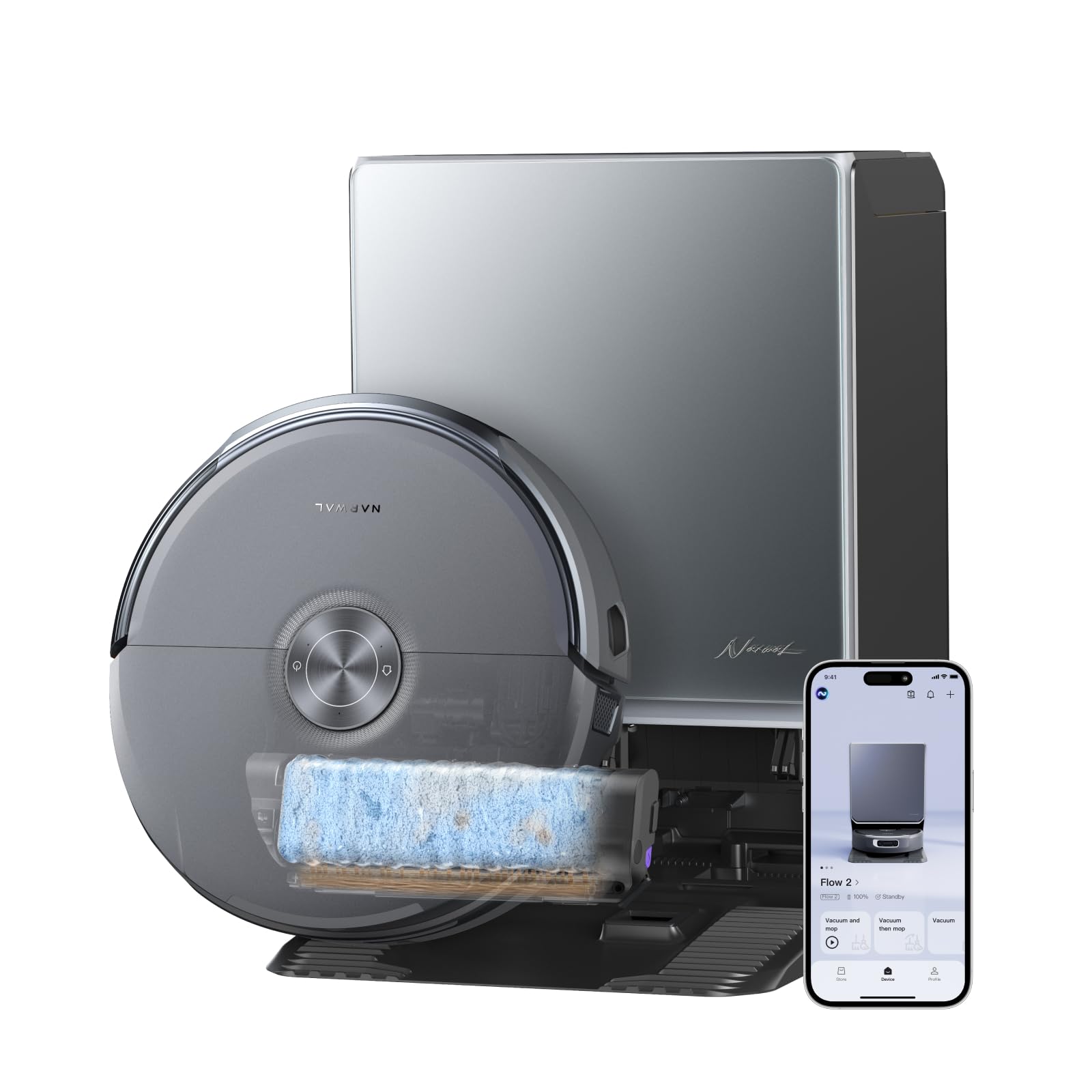
The NARWAL Flow 2 delivers the highest raw suction in this roundup at 31,000 Pa, partnered with the proprietary FlowWash track-mop system that uses 212°F hot water and 12 N of downward pressure to scrub away dried residue. Its dual‑camera AI recognizes over 180 object classes — shoes, cables, pet bowls — and reroutes in real time, which dramatically cuts down on stuck‑robot alerts. The battery lasts 275 minutes, enough to cover a 3,000 sq. ft. space on a single charge.
The self‑emptying base holds a 2.4‑liter dust bag rated for up to 120 days, and the dock washes the track mop with hot water while a scraper blade removes dirty water into a sealed tank. Smart detergent dispensing means you refill solution roughly once per month. Unlike spinning‑pad models, the FlowWash roller never redeposits old dirt onto clean floors because it rinses continuously during the cleaning run.
The main downside is weight — the complete station plus robot tips the scale at over 30 pounds, so it sits permanently in a single location. The base also requires a larger footprint than most competitors. For pet owners with mixed flooring who want maximum suction and true self‑cleaning mopping, this is the flagship to beat.
Why we love it
- 31,000 Pa suction lifts embedded pet hair from medium‑pile carpets
- FlowWash roller mop uses fresh water continuously during cleaning
- 275‑minute runtime handles large homes without recharging mid‑run
Good to know
- Base station is heavy and occupies significant floor space
- Compatible with 2.4GHz and 5GHz networks, but initial setup firmware update required
2. roborock Qrevo Edge 2
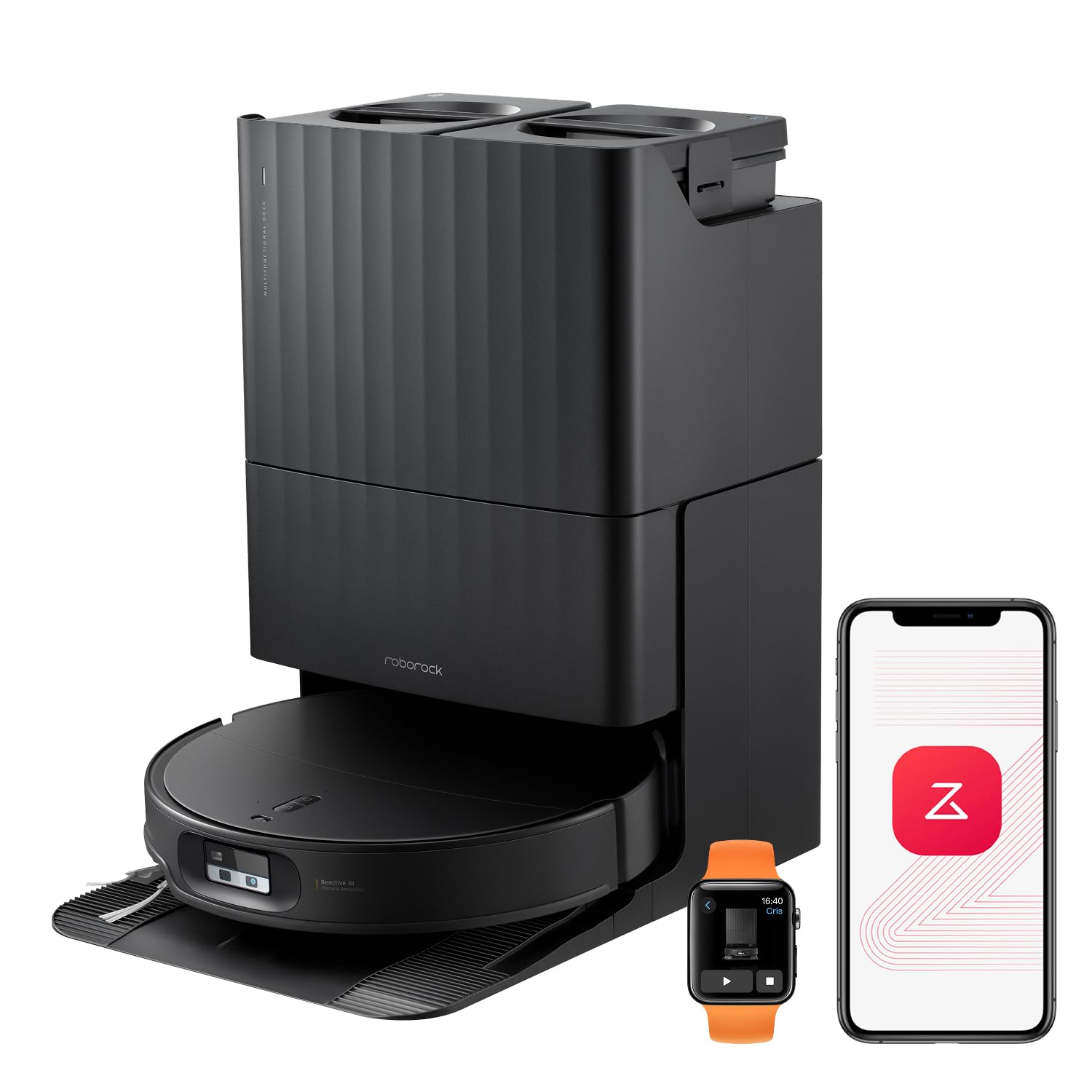
At just 3.14 inches tall, the roborock Qrevo Edge 2 slides under most bed frames, sofas, and low credenzas that block thicker robots. The RetractSense navigation system lowers the LDS turret when it detects an overhead clearance limit, so you don’t lose mapping accuracy inside tight crawl spaces. Suction peaks at 25,000 Pa, which is enough to pull fine dust from low‑pile carpets without leaving a trail.
The FlexiArm Arc side brush extends beyond the robot’s perimeter to sweep debris exactly at the wall‑to‑floor junction — a spot where round robots typically leave a 1‑inch gap. The dock washes the rotating mop pads at 176°F and dries them with 131°F warm air, then automatically refills the clean‑water tank. An 8 N downward force on the mop helps break down dried coffee or mud streaks after the first pass.
The robot’s 188‑minute battery is still generous for homes up to 2,500 sq. ft. Pet owners with many floor transitions and low‑profile furniture will appreciate the adaptive chassis that lifts automatically over carpets up to 0.98 inches high.
Why we love it
- Ultra‑low profile fits under standard 4‑inch clearance furniture
- FlexiArm side brush cleans right to the wall baseboard
- Hot‑water mop washing and drying keeps pads fresh for weeks
Good to know
- Dust bag capacity is average for this price tier
- Only supports 2.4GHz Wi‑Fi for app connectivity
3. ECOVACS DEEBOT X11 OmniCyclone
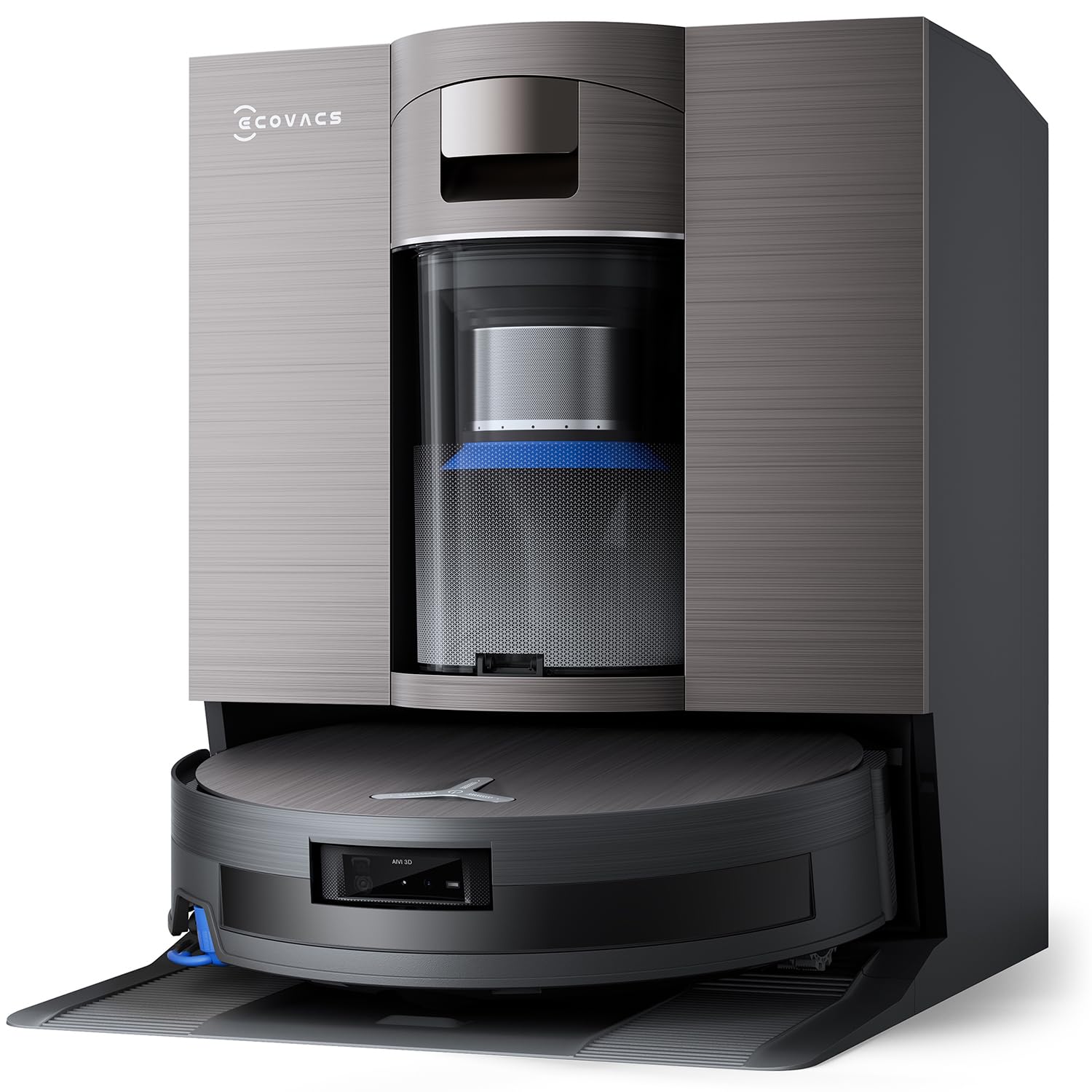
The ECOVACS DEEBOT X11 OmniCyclone stands out with its bagless self‑emptying station that cyclonically separates dust from airflow — no disposable bags, zero ongoing consumable cost for bin emptying. The GaN (gallium nitride) charging technology reduces charge time by about 30% compared to traditional silicon chargers, so the robot spends less time docked between cleaning cycles. Its 19,500 Pa suction pairs with a zero‑tangle roller design to manage pet hair on hard floors and low‑pile carpets without manual brush cleaning.
The OmniCyclone dock washes the roller mop with hot water and then dries it with heated air, effectively preventing mildew odor that can develop on damp mop pads in humid climates. The robot uses a front‑facing camera and structured light for obstacle avoidance, keeping it clear of pet toys and charging cables. Users also get the ability to schedule separate vacuum‑only and mop‑only runs through the Ecovacs app.
A notable limitation is the 60‑day capacity of the bagless bin — because it uses cyclone separation rather than a bag, the internal bin volume physically fills faster than a compressed‑bag system. The battery runtime of approximately 150 minutes is adequate but trails the 180‑minute+ units in this list. For buyers who hate buying replacement dust bags and want GaN fast charging, the X11 balances premium features with lower recurring costs.
Why we love it
- Bagless cyclone disposal eliminates ongoing dust‑bag expenses
- GaN charging reduces downtime between cleaning runs
- Roller mop washing and drying prevents pad odor
Good to know
- Bagless bin capacity fills faster than comparable bagged models
- Battery runtime is shorter than top‑tier competitors
4. DREAME Aqua10 Roller Robot
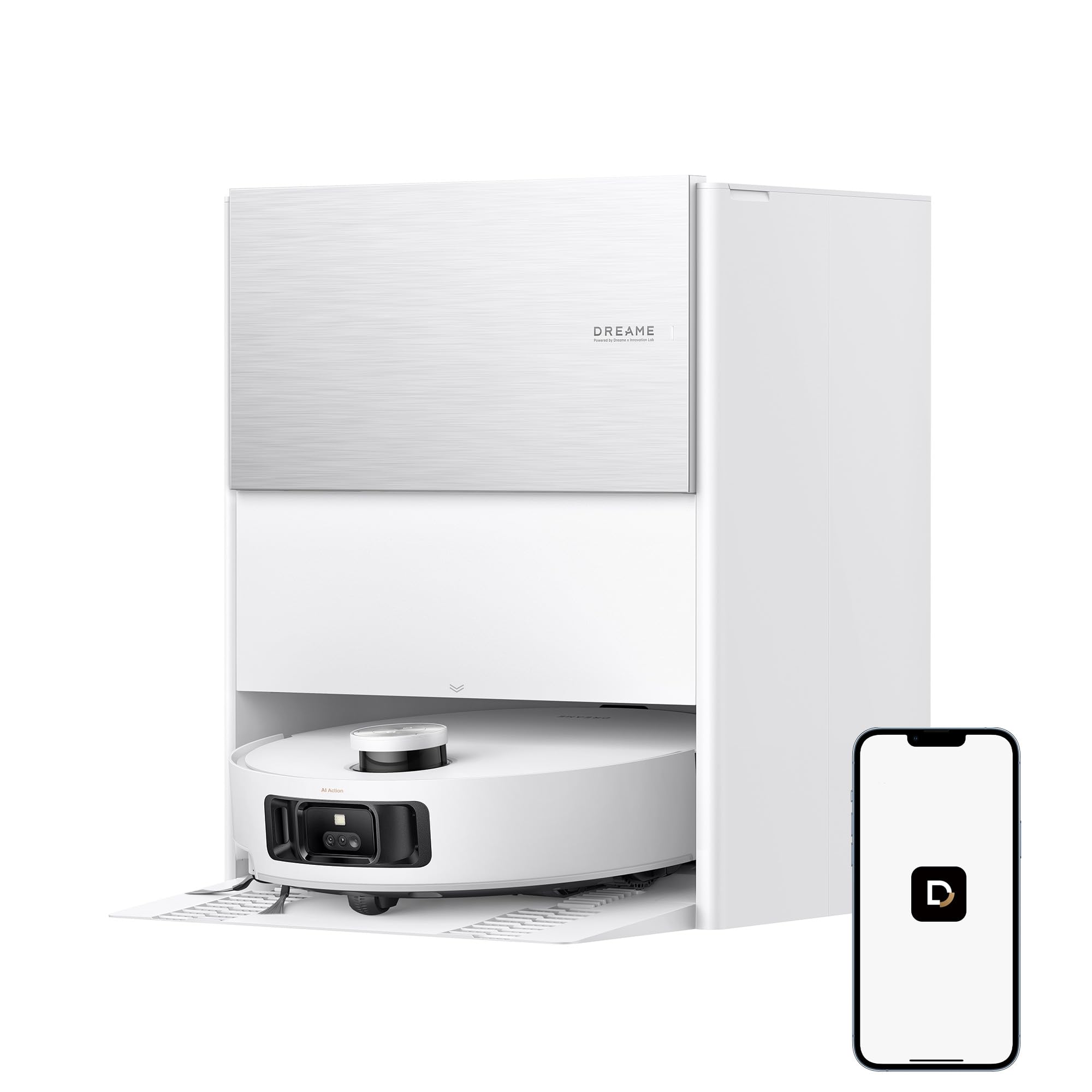
The Dreame Aqua10 Roller lifts itself over thresholds up to 2.36 inches high — a practical advantage for homes with transition strips, sliding door tracks, or area rugs with thick pile. Its suction rating of 30,000 Pa makes it one of the most powerful options in the premium segment, and the HyperStream DuoBrush design uses a bristled rubber roller and a TPU rubber roller to pull hair from both hard floors and carpets without tangle buildup.
The roller mop system rinses itself with clean water during operation and deploys a roller guard when the robot detects carpet, keeping the wet cloth off rug fibers. The ThermoHub dock washes the roller with 212°F hot water and dries it with warm air, and the dust bag inside the dock holds debris for up to 65 days. The battery lasts 160 minutes, which comfortably covers 2,000 sq. ft. homes with some headroom for multiple passes in high‑traffic zones.
One nuance: the side brush is not extendable on this model, so corner cleaning requires the robot to angle its full body toward the wall — fine for most rooms but slightly less efficient than units with a FlexiArm system. The station also requires a reasonably flat area because the ramp extension is only 2.36 inches wide. Pet owners who frequently move between carpeted rooms and tile kitchens will value the high‑threshold climbing ability more than any other feature.
Why we love it
- Climbs up to 2.36‑inch thresholds without manual assistance
- Roller guard keeps carpet completely dry during mopping runs
- Dock uses 212°F water to sanitize the mop roller after each clean
Good to know
- No extendable side brush; corner reach is achieved by full‑body angling
- Wi‑Fi restricted to 2.4GHz networks
5. Mova Z60 Ultra Roller Complete
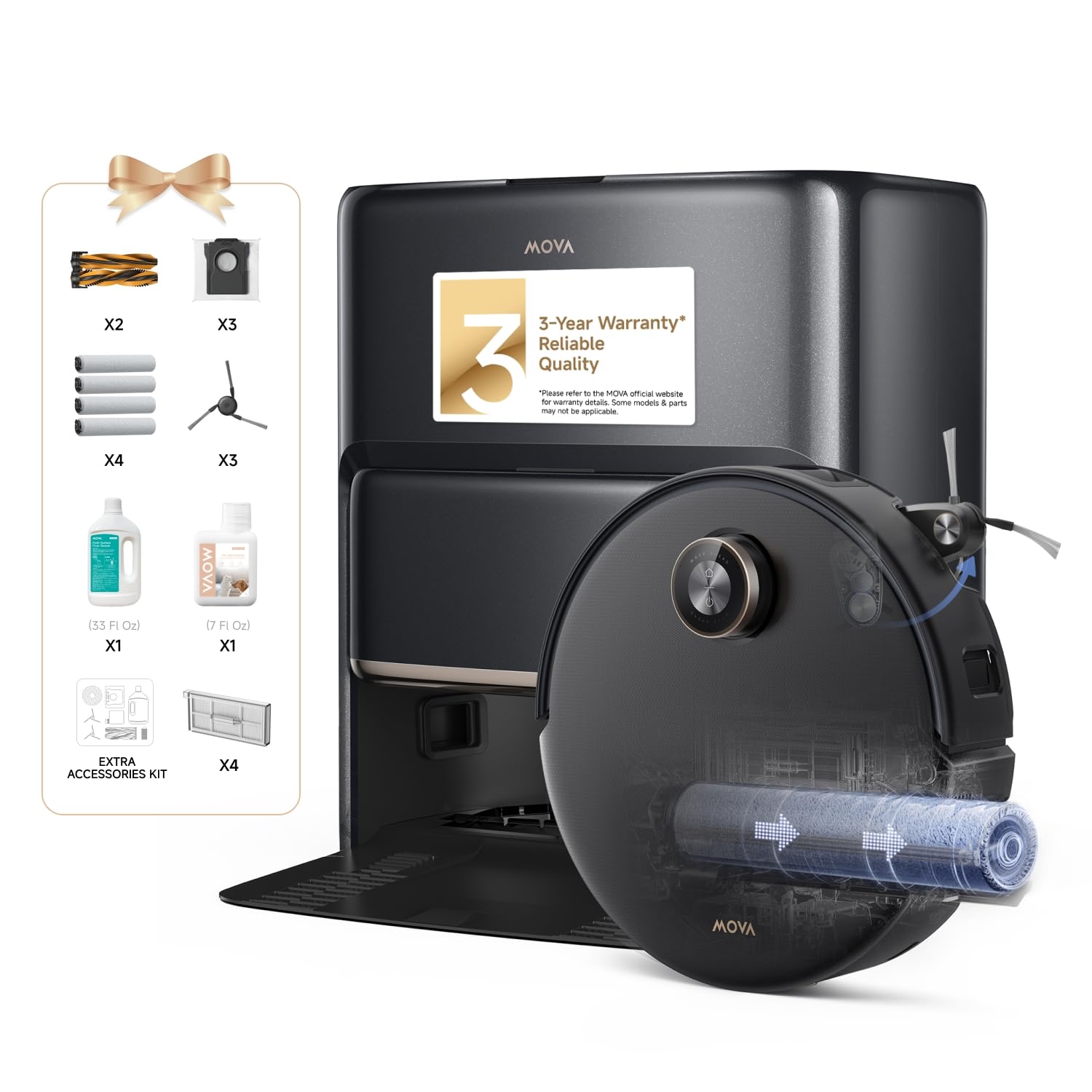
The Mova Z60 Ultra handles physical obstacles better than any other unit in this guide — a retractable leg system lifts the robot up to 8 cm (3.14 inches) to clear door trim and raised thresholds, while the LiftPro Chassis adjusts ride height to glide over low barriers. Suction measures 28,000 Pa, backed by the same TurboForce 8 motor family used in Dreame’s premium line. The HydroForce mopping system sprays fresh water onto the roller mop while a scraper blade removes dirty water, so the pad stays damp with clean water through the entire run.
Mova designed the dock with two separate cleaning‑solution compartments: compartment A holds all‑purpose floor cleaner, and compartment B holds an enzymatic pet‑odor remover. The robot’s algorithm automatically dispenses from compartment B when it enters areas marked as pet zones in the app. AutoShield technology detects carpet edges and deploys side guards that block moisture while maintaining full suction and side‑brush rotation. Battery life reaches 3.5 hours at standard settings.
The main drawback is weight — the station plus robot weighs over 30 pounds, and the 22‑inch by 22‑inch footprint demands dedicated floor space. The rotating roller mop also requires periodic replacement of the roller cloth, adding a minor consumable cost that spinning‑pad users avoid. For homes with multiple floor levels and thick door thresholds, the Z60 Ultra’s climbing capability is unmatched in this price bracket.
Why we love it
- Retractable legs clear obstacles up to 8 cm — best in class for threshold climbing
- Dual‑solution tanks allow separate pet‑odor and general cleaning formulas
- AutoShield carpet guards block moisture without stopping side brush rotation
Good to know
- Station is large and heavy; requires a dedicated corner
- Roller cloth needs periodic replacement a few times per year
6. DREAME L50 Ultra
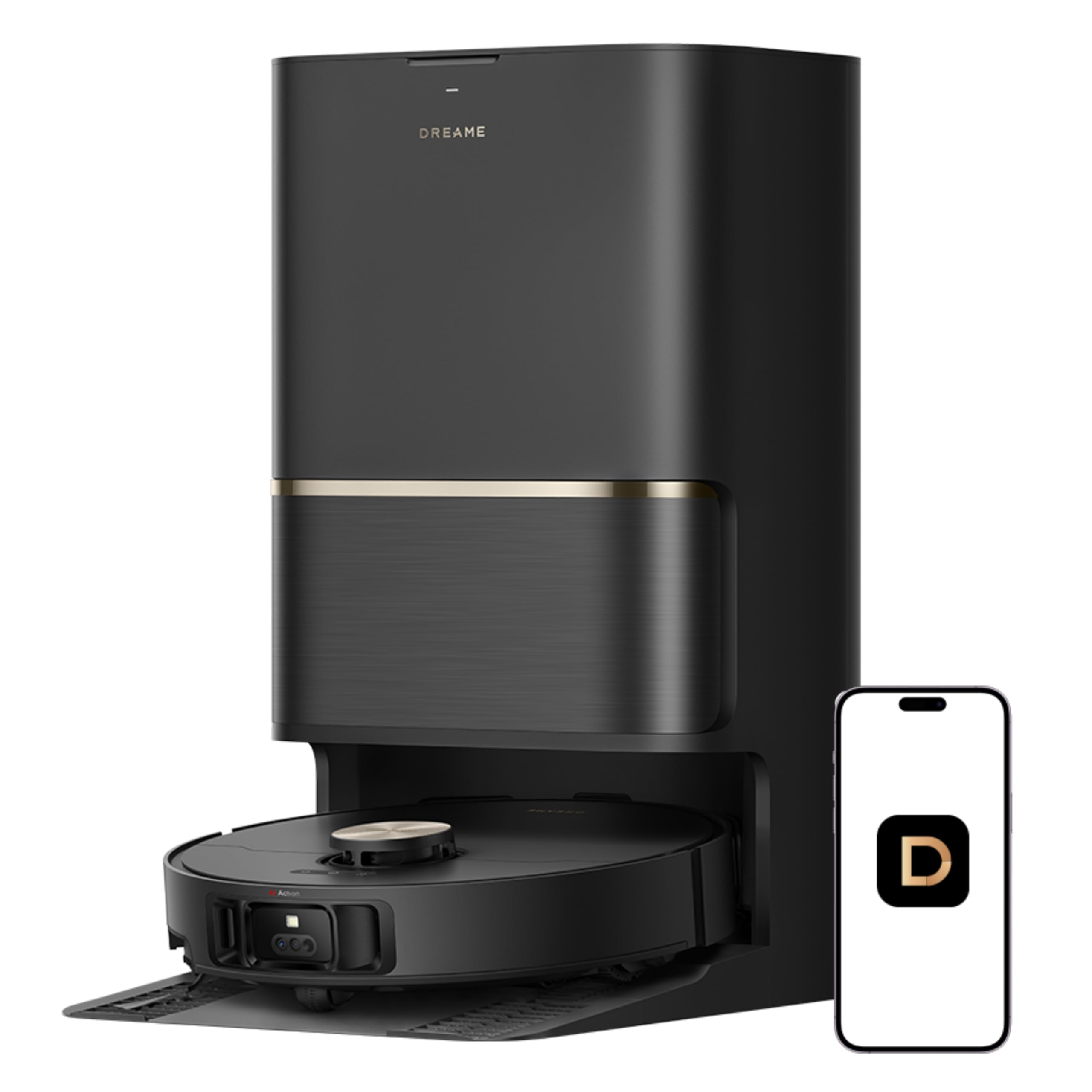
The Dreame L50 Ultra combines LiDAR with 3D structured light and an AI action model to recognize and avoid over 180 types of household objects — shoes, cables, pet bowls, even small toys — without bumping into them. This makes it an excellent choice for homes where kids or pets leave items on the floor daily. The ProLeap retractable legs lift the robot 6 cm to clear door tracks, and the Dual Flex Arm extends both the side brush and the mop pad outward to reach into corners and under cabinet toe kicks.
Suction is rated at 19,500 Pa, which is strong for a mid‑premium unit but noticeably lower than the 30,000 Pa+ flagships. The roller mop spins against a washboard inside the dock that scrubs dirt off the cloth while hot water rinses it, then warm air dries it to prevent bacterial growth. The dust bag inside the station holds up to 100 days of debris, and the clean‑water tank auto‑refills the robot after each run.
The major compromise is the raw suction ceiling — homes with thick, medium‑ or high‑pile carpets may find that 19,500 Pa leaves fine dust behind after a single pass. The battery runtime of 180 minutes is generous, but the obstacle‑avoidance system occasionally hesitates at the edge of a dark rug, mistaking the contrast for an object. For families who prioritize collision‑free navigation over maximum carpet lift, the L50 Ultra is a well‑rounded everyday partner.
Why we love it
- AI avoids 180+ obstacle types; almost never bumps into furniture or cables
- Extending side brush and mop improve corner and baseboard coverage
- Dust bag holds 100 days of debris without replacement
Good to know
- 19,500 Pa suction may require multiple passes on medium‑pile carpets
- Obstacle avoidance can briefly misidentify dark rugs as objects
7. Shark Stratos AV2700ZE
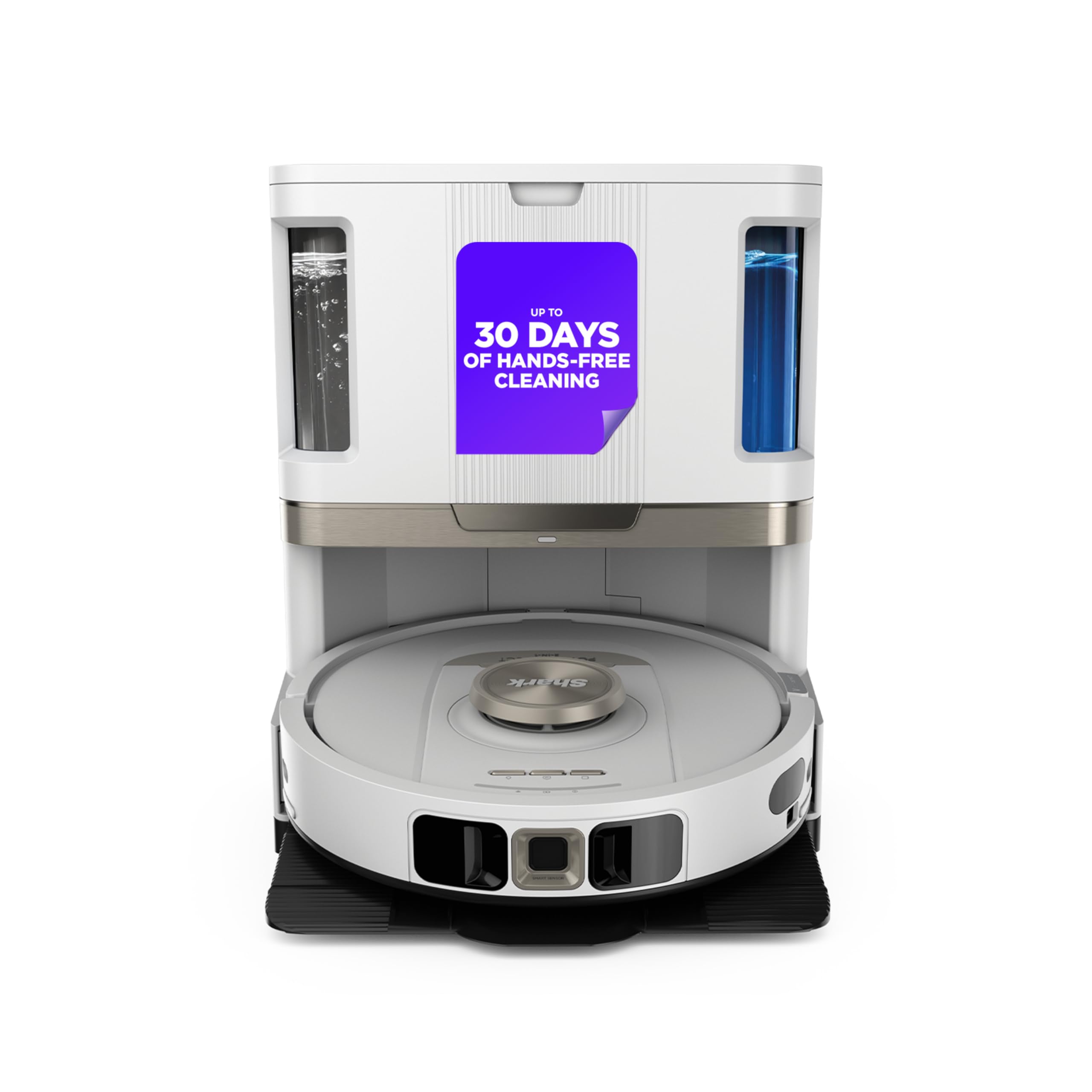
The Shark Stratos separates itself from the vacuum‑dominant crowd with Sonic Mopping technology that oscillates the pad up to 100 times per minute, actively scrubbing dried spills and sticky grime without requiring multiple passes. The NeverTouch base empties the dust bin into a 60‑day bagless chamber and automatically refills the clean‑water tank and washing solution — one less reservoir to manually fill each week. HEPA filtration with an Anti‑Allergen Complete Seal traps dust and dander, making it a strong option for households with allergy concerns.
Edge detection uses blasts of air to push debris from the wall‑floor junction into the cleaning path, reducing the manual sweeping of baseboards. The self‑cleaning brushroll captures long hair and pet fur while keeping wrap below the anti‑hair‑wrap threshold — owners report clearing the brush every few weeks rather than after each run. LiDAR 360° navigation builds floor maps in about 10 minutes, and the SharkClean app supports no‑go zones, scheduling, and per‑room customization.
The dock does not wash and dry the mopping pad automatically; the pad air‑dries passively, which can lead to odor if the robot sits for days between runs. The included starter bottle of cleaning solution lasts roughly 30 days before you need a refill. For shoppers who want vigorous floor scrubbing motion rather than passive damp‑mopping, the Stratos brings real cleaning aggression that budget units lack.
Why we love it
- Sonic mopping oscillates the pad 100 times per minute for stain removal
- HEPA filter and Anti‑Allergen seal capture airborne pet dander
- Bagless NeverTouch base holds 60 days of debris and auto‑refills water
Good to know
- Dock does not actively dry the mop pad — odor can develop if idle
- Cleaning solution is a consumable that requires periodic refill bottles
8. iRobot Roomba Plus 505
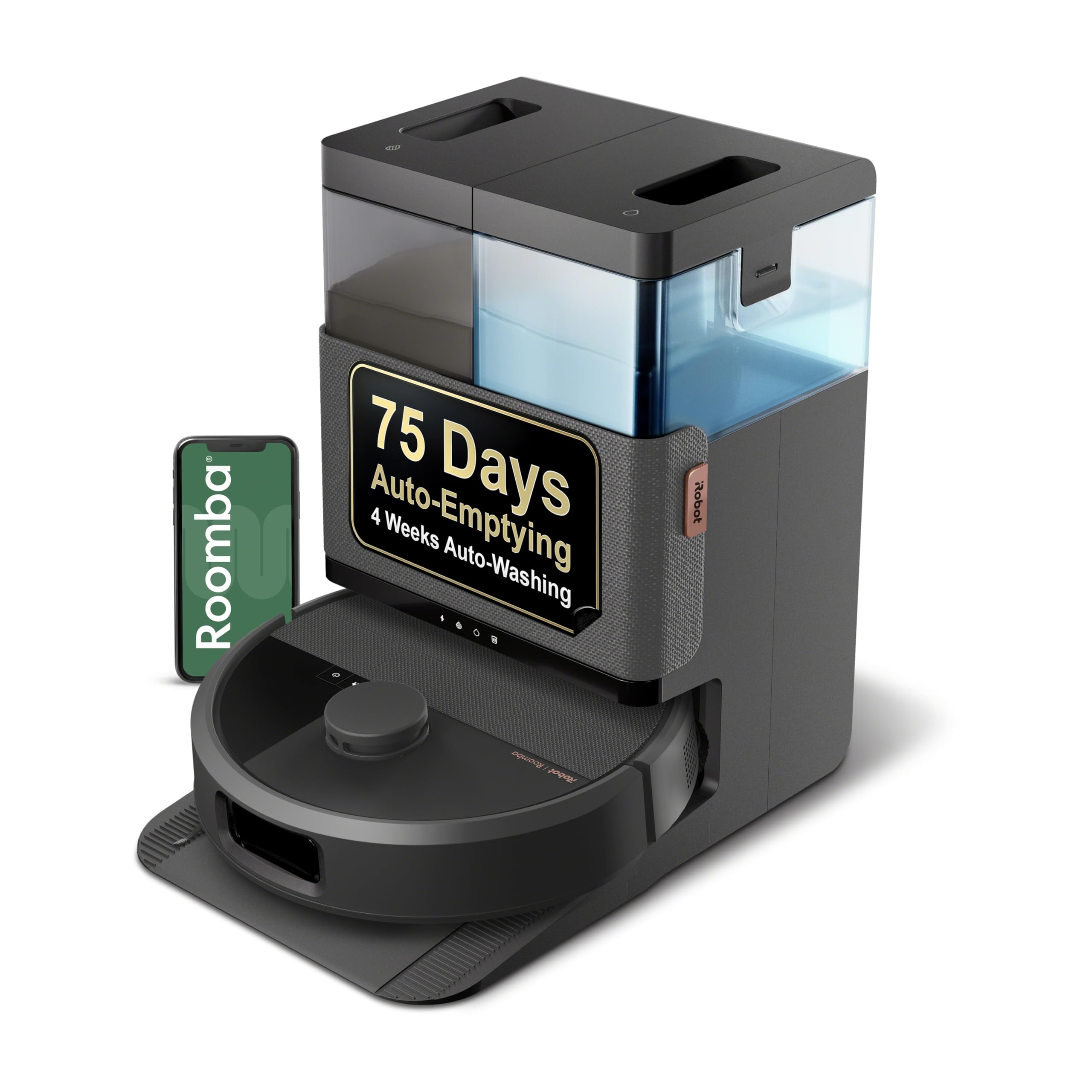
iRobot’s Roomba Plus 505 improves on older Roomba designs with an AutoWash dock that empties the robot’s bin (up to 75 days of dust), washes the two spinning mop pads after each cleaning run, and dries them with heated air to prevent bacterial growth. The PerfectEdge feature extends the spinning pads outward by 18% compared to the previous generation, allowing the robot to scrub closer to baseboards and into tight corners without repositioning. SmartScrub mode doubles the pad’s scrubbing pressure on tough stains — useful for dried mud or coffee spills in the kitchen.
PrecisionVision AI uses a front‑facing camera to recognize cords, socks, and pet waste; the robot then steers around those objects rather than driving over them. The dual rubber brush rolls are specifically designed to resist hair tangling and are easy to pop out for cleaning when needed. The Roomba Home app provides suction‑level control (four stages), repeat‑pass settings for high‑traffic rooms, and per‑room mop‑lift or no‑go zones for rugs.
Battery life at 120 minutes is below the category average; larger homes over 2,000 sq. ft. will require the robot to recharge and resume mid‑session. The bin capacity is only 0.5 liters inside the robot, which means the dock empties frequently — this is fine thanks to the AutoWash base, but some competitors store more volume on board before needing a dock cycle. For iRobot loyalists or those who want proven AI obstacle recognition, the Plus 505 offers strong scrubbing performance.
Why we love it
- Extending mop pads increase edge coverage by 18% over standard models
- AutoWash dock washes, dries, and empties the robot automatically
- PrecisionVision AI reliably avoids cords, socks, and pet waste
Good to know
- 120‑minute battery requires a recharge pause in homes over 2,000sqft
- Small onboard bin means the dock empties after every single run
9. Eureka E20 Evo Plus
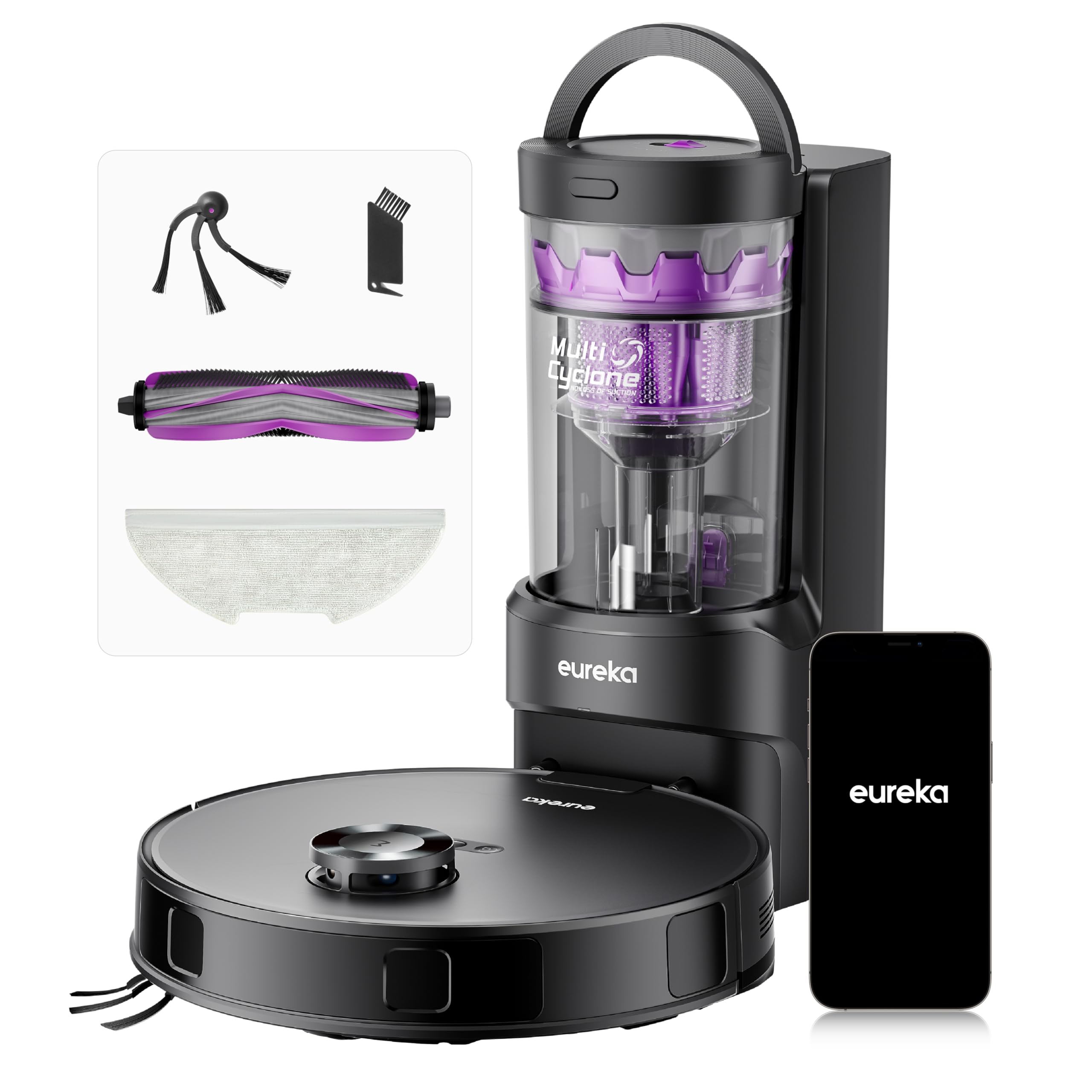
The Eureka E20 Evo Plus brings a bagless self‑emptying station to the mid‑range price tier, eliminating the recurring cost of dust bags while holding up to 45 days of debris in its internal cyclone separator. The 13‑cone multi‑cyclone system traps 98% of fine particles before they reach the filter, so suction remains consistent over months of use without manual filter cleaning. Suction measures 10,000 Pa — adequate for hard floors and low‑pile carpets, but noticeably less powerful on medium‑pile rugs than the premium 25,000 Pa+ competitors.
The DragonClaw side brush and anti‑tangle roller combine to achieve a 99.99% hair‑removal efficiency rating, which means long hair and pet fur rarely wrap around the brush axle. Smart mop lifting raises the cloth pad by 10 mm when carpets are detected, keeping rugs dry without a user‑defined no‑mop zone. The battery runs for 180 minutes, which comfortably covers a 2,000 sq. ft. floor plan in a single cleaning run.
The mop pad is a passive microfiber cloth rather than a spinning or oscillating pad — it relies on the robot’s forward motion and gravity to spread water across the floor. Stuck‑on stains may need a second pass. The app also requires a 2.4GHz network, which is standard but worth noting. For shoppers on a tighter budget who prioritize zero bag expenses and decent suction for hard floors, the E20 Evo Plus delivers solid value.
Why we love it
- Bagless cyclone system saves money on replacement dust bags
- DragonClaw brush and roller achieve 99.99% hair‑removal efficiency
- 180‑minute runtime covers large single‑floor homes without pause
Good to know
- 10,000 Pa suction struggles with deep‑pile carpet dirt
- Mop pad is passive cloth — no scrubbing motion for dried stains
10. roborock Q7 M5+

The roborock Q7 M5+ uses the same PreciSense LiDAR navigation found in higher‑end Roborock models, meaning its mapping accuracy — obstacle detection, room segmentation, no‑go zones — is reliable and snappy. Suction is rated at 10,000 Pa, which is enough for hard floors and low‑pile carpets but will leave dust on medium‑to‑high pile rugs after a single pass. The RockDock Plus uses a 2.7‑liter sealed dust bag that holds approximately 7 weeks of debris under typical conditions.
The mopping system uses a standard vibrating cloth pad, not a spinning or roller design. It offers three adjustable water flow levels via the app, so you can dial up wetness for sticky kitchen floors and reduce it for hardwood areas. The JawScrapers main brush and 0% hair‑tangling side brush are designed for pet households — the side brush uses a unique shape that sheds hair rather than wrapping around the axle. Battery runtime is 150 minutes, which covers most homes up to 1,800 sq. ft.
The primary limitation is the 10,000 Pa suction ceiling compared to newer mid‑range competitors that already push 19,500 Pa. The mopping pad does not lift automatically; you have to remove it manually when scheduling a vacuum‑only run over carpets — a clear workflow difference from models with auto‑lift mop mechanisms. For buyers who value Roborock’s mature app and mapping reliability over peak suction numbers, the Q7 M5+ remains a competent entry point.
Why we love it
- PreciSense LiDAR provides fast, accurate home mapping and zone setup
- JawScrapers brush and anti‑tangle side brush resist hair wrap effectively
- Sealed dust bag holds 7 weeks of debris for low‑touch maintenance
Good to know
- 10,000 Pa suction is modest for homes with medium‑pile carpets
- Mop pad must be removed manually for carpet‑only cleaning runs
11. uninell UR3
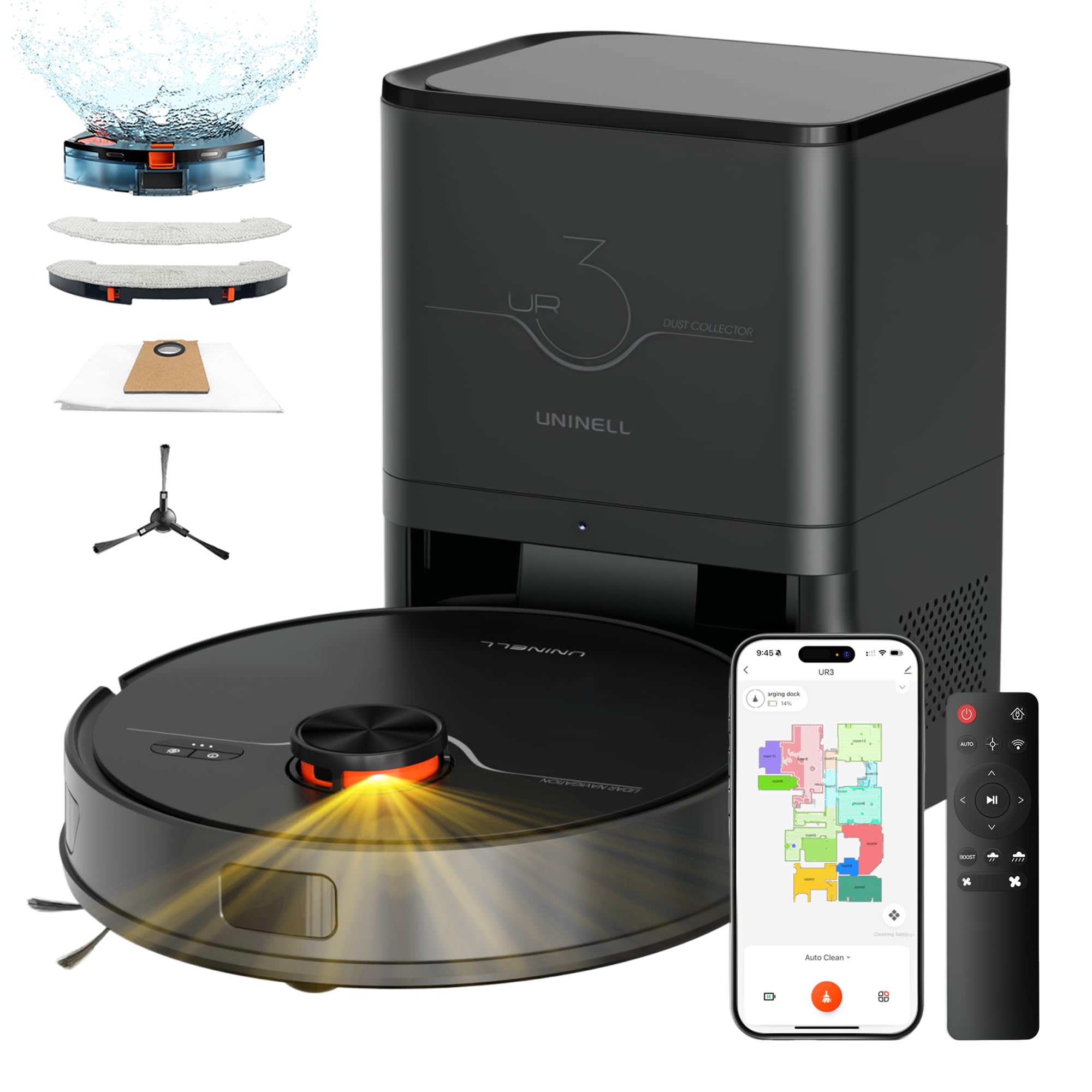
The uninell UR3 enters the budget bracket with a 3.5‑liter self‑emptying station that holds up to 90 days of debris — the largest bin capacity relative to its price in this list. The 7,000 Pa suction with an auto‑carpet‑boost feature (increasing suction by 200% on carpet detection) provides adequate pickup for crumbs, hair, and light dust on low‑pile rugs and hard floors. The 360° LiDAR navigation builds multi‑floor maps (up to five floors) and supports no‑go and no‑mop zones directly through the app.
Battery runtime of 180 minutes is excellent for this price tier, handling up to 2,000 sq. ft. on a single charge. The 3‑in‑1 system (sweep, vacuum, mop) lets you select per‑room settings for suction level and water flow, so you can run a deep‑clean on the kitchen and a light dusting on bedrooms. The unit measures only 3.8 inches tall, allowing it to slide under couches and low entertainment centers that taller robots cannot reach.
Two clear trade‑offs exist: the mop pad is a passive drag‑cloth without scrubbing motion or auto‑lift, so carpets get wet unless you set a manual no‑mop zone. The brand is newer to the space, and owner support documentation is thinner than what Roborock or iRobot provide. For first‑time automatique vacuum and mop buyers or those cleaning a single floor with mostly hard surfaces, the UR3 offers great range and a huge dust bin at a compelling entry price.
Why we love it
- Massive 3.5‑liter self‑emptying bin holds 90 days of debris
- 180‑minute battery covers up to 2,000 sq. ft. in one run
- LiDAR navigation supports multi‑floor maps and no‑go zones
Good to know
- Passive drag mop pad requires manual zone setup to keep carpets dry
- Younger brand with less robust owner documentation
FAQ
How do I stop an automatic vacuum and mop from dragging wet mops over my carpet?
What does 25,000 Pa suction actually feel like on a medium‑pile carpet?
How often do I need to replace the dust bag in the self‑emptying station?
Final Thoughts: The Verdict
For most homeowners, the best automatic vacuum and mop winner is the NARWAL Flow 2 because it combines the highest suction (31,000 Pa) with a self‑washing roller mop that never drags dirty water. If you need a slim robot for low furniture, grab the roborock Qrevo Edge 2 at 3.14 inches tall. And for bagless convenience and GaN fast charging, nothing beats the ECOVACS DEEBOT X11.