
A chick brooder is a high-humidity, high-waste environment where the wrong bedding turns into a respiratory hazard within hours. The material you choose dictates ammonia levels, moisture retention, and the safety of your flock’s first steps.
I’m Mo Mahin — the founder and writer behind Furric. I’ve spent years analyzing agricultural bedding data, comparing absorbency rates, dust particle counts, and composting cycles across dozens of brands to separate the safe options from the hazardous ones.
After reviewing the market’s top contenders, I’ve curated the definitive list of the best bedding for chick brooder to help you make a confident, informed purchase without risking your chicks’ respiratory health.
How To Choose The Best Bedding For Chick Brooder
Selecting brooder bedding isn’t about comfort alone — it’s about managing four critical factors simultaneously: dust, moisture, ammonia, and ease of cleanup. Each material type carries distinct tradeoffs that directly impact chick survival rates during the first four weeks.
Dust Content Is Non-Negotiable
A chick’s respiratory tract is extraordinarily sensitive. Bedding that generates visible airborne particles — even in small amounts — can trigger airsacculitis and reduce long-term egg production. Look for products explicitly labeled “99% dust-free.” Pine shavings that are not kiln-dried often retain fine particulates that bypass the immune defenses of day-old chicks.
Absorbency And Ammonia Lockdown
Brooder bedding must absorb at least three times its weight in moisture to keep the surface dry. Wet bedding breeds coccidiosis and burns chick foot pads. Paper products generally absorb between 2x and 3x their weight, while hemp bedding can exceed that by a significant margin. Ammonia suppression is the second job — natural odor control without chemical additives is ideal for enclosed brooders where ventilation is limited.
Texture And Structural Integrity
Chicks need enough traction to stand and move without slipping, but the bedding must be soft enough to prevent leg splay. Pine shavings offer a coarse structure that holds up well under food and water stations but splinters can occasionally lodge in wing feathers. Paper flake bedding creates a fluffy, forgiving surface ideal for the first week when chicks sleep sprawled on the floor. Pelletized bedding absorbs urine before it spreads but can be too hard for day-old chicks to walk on comfortably — it works best as a bottom layer topped with a thin dusting of soft flake.
Quick Comparison
On smaller screens, swipe sideways to see the full table.
| Model | Category | Best For | Key Spec | Amazon |
|---|---|---|---|---|
| Small Pet Select Pine Shavings | Pine Shavings | Dust-controlled deep litter method | 141L / 12 lbs — 3x weight absorbency | Amazon |
| Eaton Pet & Pasture Hemp Bedding | Hemp | Long-duration odor control | 28L — 2x more absorbent than pine | Amazon |
| CritterCare Natural Paper Bedding | Paper Flake | First-week softness and burrowing | 60L — 99% dust-free | Amazon |
| Carefresh Sea Glass Natural Paper | Paper Flake | 10-day ammonia suppression | 50L — 2x absorbency vs shavings | Amazon |
| Small Pet Select Paper Pellet | Paper Pellet | Bottom-layer moisture control | 10 lb — 3x liquid absorption vs clay | Amazon |
In‑Depth Reviews
1. Small Pet Select Pine Shavings Chicken Bedding

This 141-liter bag of all-natural pine shavings is triple-screened to achieve a 99% dust-free rating, making it one of the safest choices for brooder environments where chicks inhale at floor level. The shavings absorb three times their weight in moisture, preventing the damp surface conditions that lead to bacterial blooms and ammonia spikes common in enclosed brooders.
Reviewers consistently note the pleasant natural pine scent and the soft texture that chicks willingly walk and rest on. One long-term buyer reports regular use across multiple hatches, praising the price-to-volume ratio versus bagged paper bedding. A minor caveat surfaced regarding a single splinter lodged in a chick’s wing — this highlights the importance of fluffing and inspecting shavings before introducing day-olds.
For keepers who practice the deep litter method or need a large volume of low-dust bedding that composts well, this pine option delivers strong performance at a competitive per-liter cost. The shavings hold their structure well under feeders, reducing the amount of food that gets buried and wasted.
Why we love it
- Massive 141L bag per dollar spent
- Triple-screened for ultra-low dust
- Absorbs 3x weight in moisture
Good to know
- Hand-fluff before use to dislodge occasional splinters
- Initial dust cloud settles after brief ventilation
2. Eaton Pet and Pasture Hemp Bedding

Hemp bedding represents a premium material shift for chick brooders because of its superior absorbency — Eaton’s hemp absorbs roughly double the moisture of traditional pine shavings. This farmer-owned brand grows its hemp without pesticides or herbicides, ensuring that no chemical residues reach the sensitive respiratory systems of brooder chicks.
Customer reports from the chicken community highlight the near-total elimination of ammonia smell even after extended use with the deep litter method. One reviewer ran a six-month deep litter test and noted zero odor upon cleanup. Chicks also appear to enjoy foraging through the softer hemp fibers, which encourages natural scratching behavior that supports early exercise and muscle development.
The 28-liter bag size is smaller than typical pine bales, so large-scale hatcheries may need multiple bags per cycle. The earthy, natural scent is mild and non-irritating — one user noted it smells “cleaner than pine” with no added fragrances.
Why we love it
- Dramatically reduces ammonia for 6+ months
- Chemical-free growing process
- Soft texture chicks love to scratch and forage
Good to know
- Small bag size relative to price
- Hemp can be less available for rush orders
3. CritterCare Natural Paper Small Pet Bedding
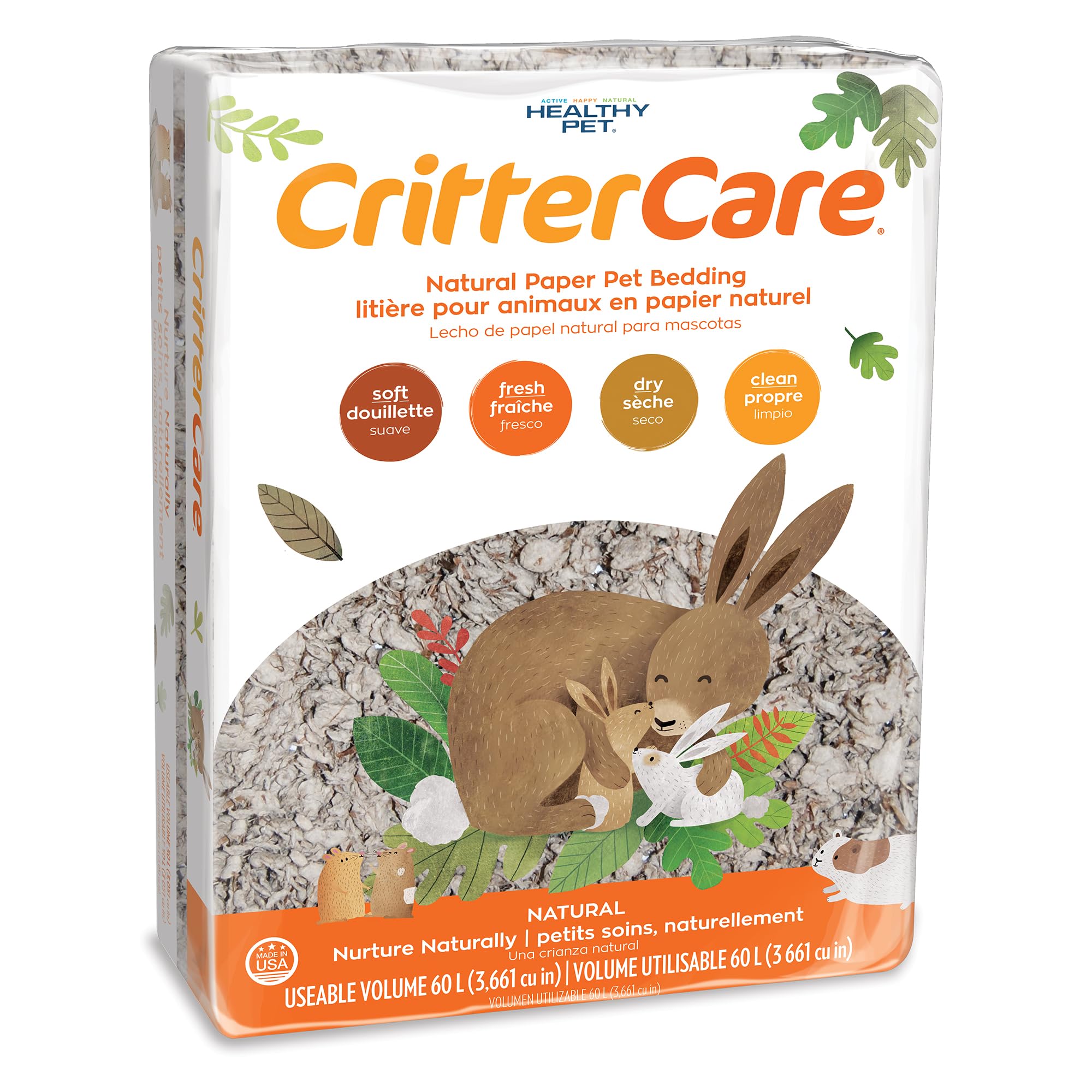
CritterCare’s 60-liter paper bedding is engineered for small animals that instinctually burrow and nest — behaviors chicks exhibit from day one. The snowflake white flake texture is 99% dust-free and softer than most pine alternatives, reducing the risk of foot pad irritation during the first critical days when chicks spend most of their time sitting on the bedding.
Long-term buyers of this brand use it not only for brooder chicks but also for rabbits, guinea pigs, and other small pets, indicating versatile moisture management. The unscented formula avoids masking odors with perfumes — it controls smell through absorption rather than fragrance. Multiple reviewers mentioned they rely on CritterCare as a year-round “go-to” for guinea pig and rat bedding, which speaks to its consistent quality batch over batch.
One notable limitation: paper bedding generally compacts faster than pine or hemp under heavy moisture, so daily spot cleaning is essential to prevent matting near waterers. However, the low dust output and high burrowing appeal make it a strong choice for hatcheries prioritizing chick comfort over long cleanup intervals.
Why we love it
- Ultra-soft for day-old chick comfort
- Encourages instinctive foraging and nesting
- Consistent quality across multiple pet types
Good to know
- Requires daily spot cleaning to avoid matting
- Less structural support under heavy feeders
4. Carefresh Sea Glass Natural Paper Bedding

Carefresh Sea Glass bedding uses a proprietary natural paper fiber formula that claims a 10-day odor control window — a significant benefit in brooder settings where ammonia accumulates rapidly from chick droppings. The brand’s “Comfyfluff” manufacturing process creates a pillowy texture that is 99% dust-free and 2x more absorbent than wood shavings, keeping the brooder floor drier between changes.
Reviews emphasize how the bright fiber color helps keepers visually distinguish clean zones from soiled areas, making targeted spot cleaning more efficient. The unscented and dye-free construction means no synthetic chemicals leach into the enclosed brooder air. This bedding is biodegradable and compostable, aligning with sustainable poultry-raising practices.
The lighter-weight fluff can be more easily kicked out of shallow brooder pans by active chicks, so pairing it with a higher-walled enclosure or a bottom layer of heavier bedding improves retention. Overall, Carefresh earns its reputation for consistent low-dust performance in small animal enclosures.
Why we love it
- Proven 10-day ammonia suppression formula
- Bright color aids visual spot cleaning
- Biodegradable and compostable for eco-conscious keepers
Good to know
- Low bulk density means it scatters easily
- May need more frequent full changes than hemp
5. Small Pet Select Paper Pellet Bedding

Small Pet Select’s pelletized bedding offers a different approach — dense 100% recycled paper pellets that absorb nearly three times more liquid than clay litter, expanding into a soft sawdust-like crumble when wet. This dual-action mechanism traps urine in the pellets while keeping the top layer dry, creating a natural moisture barrier that reduces bacterial growth at the bedding surface.
Customer feedback highlights the effectiveness of these pellets for managing odor in litter-box-trained rabbits and ferrets — a controlled environment similar to a brooder in terms of waste concentration. The 99% dust-free construction passes the respiratory safety test for sensitive animals. Some users noted that the bag produces moderate dust upon initial pour, but settled bedding generates minimal airborne particles.
Because pellets are harder than flake or shaving materials, day-old chicks may find the surface uncomfortable for the first few days. A best-practice approach is to use a layer of paper flakes or pine shavings on top of the pellets for the first week, then gradually reduce the soft top layer as chicks develop stronger legs.
Why we love it
- Superior 3x absorbency for high-moisture environments
- Eco-friendly 100% recycled paper material
- Excellent ammonia lock without fragrances
Good to know
- Pellet texture too hard for day-old chicks alone
- Initial pour creates temporary dust cloud
FAQ
Is pine shavings safe for chick brooders?
Can I use paper bedding for day-old chicks?
How often should I change brooder bedding?
What is the best bedding for deep litter method in a brooder?
Can I compost used chick brooder bedding?
Final Thoughts: The Verdict
For most small flock owners, the clear best bedding for chick brooder winner is the Small Pet Select Pine Shavings because it balances dust control, absorbency, and volume at a price that works for both first-time hatcheries and experienced breeders. If maximum odor suppression without chemicals is your priority, grab the Eaton Pet and Pasture Hemp Bedding. And for day-old chicks that need the softest landing possible, nothing beats the CritterCare Natural Paper Bedding.