
A clean, dry, and comfortable pig pen starts with one smart decision — the bedding you choose under their feet. Get it right, and you slash cleaning time, mute odors, and give your pigs a cozy space to root and rest. Get it wrong, and you fight ammonia fumes, damp spots, and a mess that sticks to everything.
I’m Mo Mahin — the founder and writer behind Furric. I’ve spent countless hours analyzing pet bedding materials, comparing their absorbency rates, dust levels, and real owner feedback to bring you honest recommendations for smart buyers.
After sorting through the options, I found the standouts that truly deliver. This guide breaks down what works, what doesn’t, and why material choice matters more than most people realize. Read on to find the best bedding for pigs that keeps your pen fresh and your animals comfortable day after day.
How To Choose The Best Bedding For Pigs
Pig bedding isn’t a one-size-fits-all purchase. The right choice depends on your setup, your pig’s habits, and what matters most — absorbency, dust control, or ease of cleaning. Let’s break down the key factors so you can pick with confidence.
Material Matters: Paper, Wood, Hemp, or Straw?
Each material brings a different balance of absorbency, softness, and dust level. Paper bedding is highly absorbent and low-dust, making it a safe choice for young or sensitive pigs. Wood shavings and pellets offer natural odor control but vary in dust content — pine pellets are kiln-dried to reduce harmful phenols, while aspen is naturally low in dust. Hemp stands out for its superior absorbency and hypoallergenic properties, lasting longer than most alternatives. Straw provides a cozy, nestable texture but absorbs less moisture, so it works better as a top layer than a base.
Absorbency and Odor Control
Pigs produce a fair amount of moisture and waste, so high absorbency isn’t optional — it’s the foundation of a healthy pen. Look for bedding that locks in liquid quickly and releases ammonia slowly. Pelleted materials tend to excel here because they expand when wet, trapping moisture inside the pellet. Flake-style bedding like hemp or aspen absorbs across a wider surface area but may need more frequent top-ups in wet areas.
Dust Levels and Respiratory Health
Dust is a silent problem in many pig pens. Fine particles can irritate airways and lead to chronic sneezing or respiratory issues over time. Choose bedding labeled “99% dust-free” or “low dust.” Avoid dusty straw or unprocessed wood shavings unless you can pre-sift them. If your pig shows signs of watery eyes or persistent coughing, upgrade to a dust-free paper or hemp product immediately.
Quick Comparison
On smaller screens, swipe sideways to see the full table.
| Model | Type | Best For | Key Feature | Amazon |
|---|---|---|---|---|
| Eaton Pet and Pasture Hemp Bedding | Hemp Flake | Overall performance | Doubles absorbency vs traditional bedding | Amazon |
| Small Pet Select Pine Pellet Bedding | Pine Pellet | Odor neutralization | Triple-screened for 99% dust-free results | Amazon |
| Standlee Chopped Straw | Straw | Cozy nesting layer | Chopped into 4-inch pieces for minimal waste | Amazon |
| Fresh News Recycled Paper Bedding | Paper Pellet | Value and dust control | 100% post-consumer recycled with Ammonia Locker | Amazon |
| Niteangel Aspen Shavings | Aspen Flake | Entry-level natural bedding | Soft fluffy texture with low dust profile | Amazon |
In-Depth Reviews
1. Eaton Pet and Pasture Hemp Bedding

Hemp bedding sits in a class of its own when it comes to balancing absorbency, dust control, and sustainability. The Eaton Pet and Pasture Hemp Bedding is grown without pesticides or herbicides on a family-owned farm in the USA. It absorbs roughly twice as much moisture as traditional wood shavings or straw, meaning you change it less often and deal with fewer wet patches. The flake form stays soft underfoot, encouraging pigs to root and nest naturally without discomfort.
The hypoallergenic, low-dust profile makes this an exceptional choice for pigs with sensitive respiratory systems or for enclosed pens where air quality matters. It composes easily after use, so you can toss it in the compost bin or garden without guilt. The bag contains 28 liters, which covers a small to medium pen with a generous base layer. Farmers who have switched to hemp often mention that their pens smell fresher between cleanings compared to straw or paper.
Dedicated pig owners, especially those managing indoor or semi-indoor enclosures, will appreciate how this bedding holds up. It doesn’t break down into mush quickly, and it retains its structure even in high-traffic areas. For a cleaner, longer-lasting pen with fewer health risks, this is the one worth spending on.
Why we love it
- Twice the absorbency of traditional bedding materials
- Virtually dust-free and hypoallergenic
- Sustainably grown and fully compostable
Good to know
- Slightly higher upfront cost than paper or straw options
- May need a deeper layer for heavy wetting areas
2. Small Pet Select Pine Pellet Bedding

Pine pellets offer a different approach to pig bedding — they target moisture at the source. The Small Pet Select Pine Pellet Bedding is made from 100% natural, unbleached pine wood sourced from already downed trees. Each pellet expands when it absorbs liquid, trapping moisture and ammonia inside rather than letting it spread across the pen floor. This design makes spot cleaning incredibly easy: you just scoop out the soiled pellets and leave the rest intact.
The triple-screened production process keeps dust levels under 1%, so respiratory irritation is minimal. Unlike some raw pine products, these pellets contain no added chemicals, dyes, or artificial scents. The odor control is genuinely noticeable — many owners report that their pig pens stay fresh for a full week between full changes, even in warmer weather. The 20-pound bag delivers good coverage for a medium-sized enclosure, and the pellets barely stick to fur or feet, which cuts down on mess tracked outside the pen.
If your main struggle is keeping ammonia smell under control without replacing bedding every other day, this pellet system works. Busy pig owners who value efficiency and clean air will find this option hard to beat. Just remember that pellets feel less soft than flake bedding, so adding a thin layer of straw on top can boost comfort for pigs who love to burrow.
Why we love it
- Excellent ammonia locking for long-lasting freshness
- Spot cleaning is fast and precise
- Made in the USA from sustainable wood sources
Good to know
- Pellets feel less cushioned than flakes or straw
- May require a top layer for nesting pigs
3. Standlee Chopped Straw

Straw has been a go-to bedding for livestock for generations, and the Standlee Chopped Straw brings that tradition in a convenient, pre-chopped format. Each piece is cut to about 4 inches, which makes it easy to spread and reduces waste compared to long-strand bales. The straw is naturally sun-cured and certified noxious weed free, so you won’t introduce unwanted seeds or plants into your pig’s environment.
Where straw really shines is in comfort and nesting. Pigs love to burrow and rearrange their bedding, and the hollow stems create air pockets that provide insulation. On cold nights, a deep layer of straw helps pigs stay warm by trapping body heat. However, straw has lower absorbency than hemp or pelleted wood, so it works best as a top layer over a more absorbent base material. Many experienced pig owners combine straw with paper or hemp pellets to get both comfort and moisture control.
The 23.8-pound bag is generous and covers a large pen when used as a bedding topper. Keep in mind that straw may contain viable seeds that can sprout if used in garden compost or outdoor pens. For indoor setups, this is less of a concern. If your priority is giving your pigs a warm, snuggly nest, this chopped straw delivers exactly that.
Why we love it
- Soft, insulating layer that pigs love to burrow in
- Pre-chopped for easy spreading and less waste
- Certified weed-free for safe use
Good to know
- Low moisture absorption compared to hemp or pellets
- Seeds may germinate if used outdoors or in compost
4. Fresh News Recycled Paper Bedding

Recycled paper bedding has become a favorite among budget-conscious pet owners, and Fresh News is one of the most established names in the category. This bedding is made from 100% post-consumer recycled paper, diverting waste from landfills while providing a soft, absorbent surface for pigs. The moisture-locking particles work together with an Ammonia Locker technology to neutralize odors at the source, which is a strong feature for a product at this price tier.
The dust level is exceptionally low — over 99% dust-free per the manufacturer — and the material is non-allergenic. This makes it a safe baseline for pigs who are young, elderly, or prone to respiratory sensitivity. The 40-liter bag offers solid coverage for a small to medium pen, and the gray paper color hides stains well between cleanings. Owners frequently mention that a single bag lasts longer than expected because the paper pellets absorb a lot before breaking down.
If you’re looking for a reliable, everyday bedding that balances performance with affordability, this is a smart pick. It won’t outperform hemp on absorbency or pellets on odor lock, but for the price point, it delivers consistent results. Pigs who like to root around will enjoy the soft texture, and cleanup is straightforward since the soiled paper clumps nicely for spot removal.
Why we love it
- Excellent dust control for sensitive lungs
- Eco-friendly materials at a friendly price
- Odor neutralization works well for regular use
Good to know
- Less absorbent than hemp or pine pellets for heavy wetting
- Some pigs may try to eat paper bedding, causing digestive upset
5. Niteangel Aspen Shavings
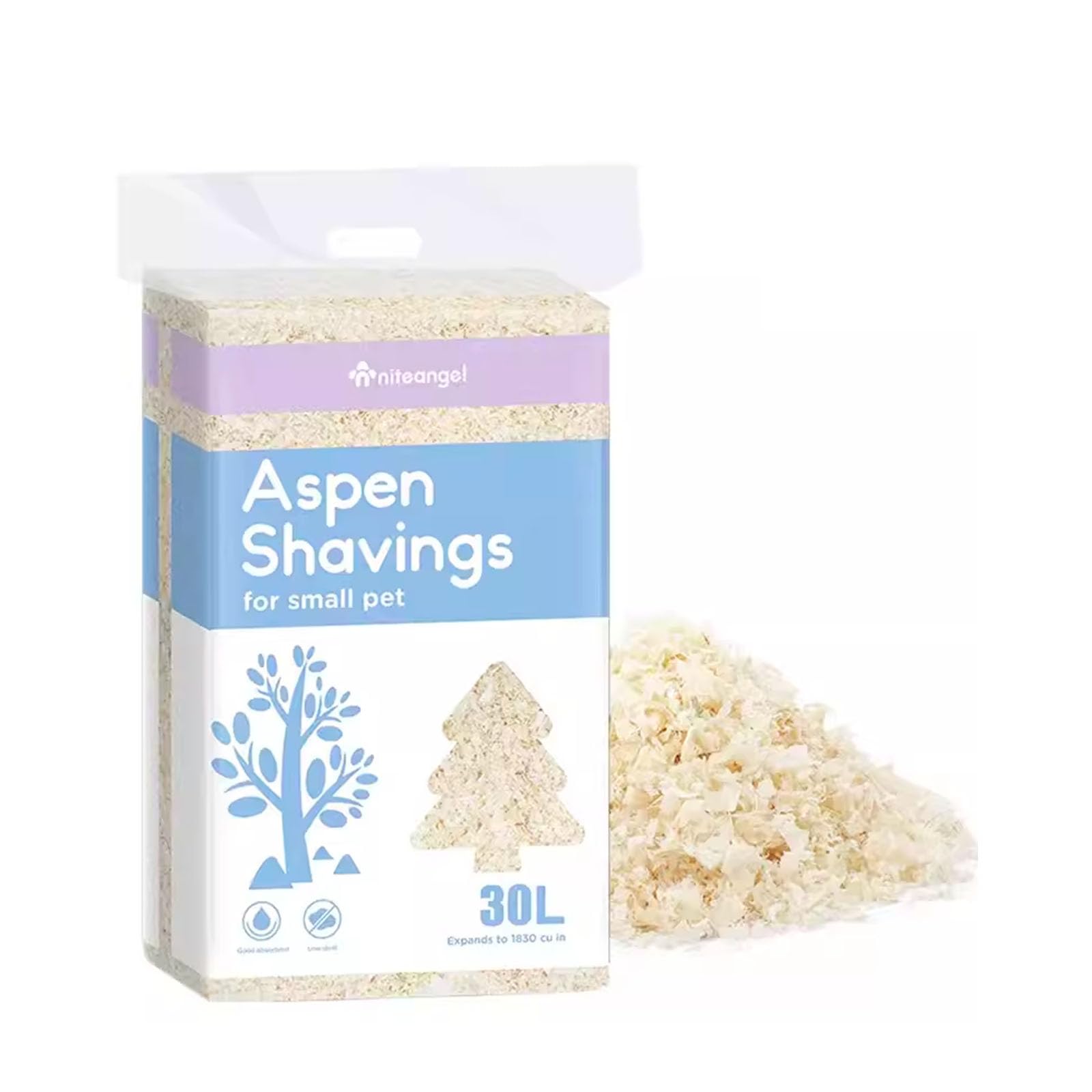
Aspen shavings offer a natural, lightweight bedding option that works well for small to medium pig enclosures. The Niteangel Aspen Shavings are made from pure aspen wood with no added colors or chemicals, so you don’t have to worry about toxic phenols that can be present in some pine products. The soft, fluffy texture feels comfortable underfoot and encourages rooting behavior, which is important for a pig’s mental well-being.
The material has decent absorbency — it wicks moisture away from the surface and helps control mild odors. However, it’s not as absorbent as hemp or pelleted paper, so heavier-wetting pigs will need more frequent spot cleaning. The 30-liter bag is relatively compact, making it easy to handle and store. Dust levels are low but not zero, so sensitive pigs may benefit from a dust-free alternative if they show signs of irritation.
For owners with smaller pigs or those who want an affordable natural bedding to test before committing to a premium option, this aspen shavings are a reasonable starting point. It’s also a good choice for mixing with other bedding types to increase softness. Just plan for more frequent changes in high-traffic areas to keep the pen dry and fresh.
Why we love it
- 100% natural aspen with no phenols or dyes
- Soft texture that pigs enjoy rooting in
- Budget-friendly entry into natural bedding
Good to know
- Lower absorbency requires more frequent cleaning
- Not completely dust-free despite low dust profile
Safety & Care Tips
1. Spot Clean Daily, Change Fully Weekly
Pigs tend to designate specific areas for waste. Scoop out soiled bedding every day to prevent ammonia buildup and keep the dry areas usable longer. A full bedding change every 5 to 7 days — or sooner if you notice strong odors — maintains a healthy environment. In wet climates or enclosed pens, monitor moisture levels weekly to avoid mold growth beneath the top layer.
2. Provide Sufficient Depth for Rooting
Pigs have a strong natural instinct to root and nest. A bedding depth of at least 4 to 6 inches gives them enough material to burrow, which reduces stress and supports natural behaviors. If using a less absorbent material like straw, increase the depth in sleeping areas and consider a more absorbent base layer underneath. Always check that bedding remains dry at the bottom to prevent skin irritation or pressure sores.
FAQ
What type of bedding is best for pigs?
How often should I change pig bedding?
Can I use wood shavings for pig bedding?
Is straw good for pig bedding?
Final Thoughts: The Verdict
For most pig owners, the best bedding for pigs overall is the Eaton Pet and Pasture Hemp Bedding because it delivers superior absorbency, virtually no dust, and a soft texture that pigs love. If odor control is your top priority, grab the Small Pet Select Pine Pellet Bedding. And for budget-friendly reliability, nothing beats the Fresh News Recycled Paper Bedding.