
Blue Jays are the boisterous sentinels of the backyard—intelligent, striking, and notoriously picky about their meals. A generic supermarket blend of millet and cracked corn often gets ignored in favor of your neighbor’s feeder, while the wrong mix can attract unwanted pests or leave a mess of unwanted hulls that smother your lawn. The key is understanding their preference for high-energy, larger morsels like peanuts in the shell and quality sunflower seeds, which match their strong beaks and caching instincts.
I’m Mo Mahin — the founder and writer behind Furric. I have spent years analyzing market data, comparing ingredient sourcing and nutritional content, and aggregating thousands of verified owner reviews to determine which blends deliver the highest long-term engagement with Blue Jays and other desirable songbirds.
Whether you want to minimize clean-up, attract more of these brilliant blue birds, or simply get the most visits for your money, this guide cuts through the marketing noise to evaluate the top contenders. Here you will find the most strategic breakdown of the best bird food for blue jays currently available, ranked by ingredient quality and real-world results.
How To Choose The Best Bird Food For Blue Jays
Blue Jays are not finicky like some warblers, but they are calorie-conscious and size-matters birds. Picking a blend that actually brings them in and keeps them coming back comes down to three specific factors.
Ingredient Profile: Peanuts and Sunflower Dominance
Blue Jays have powerful bills designed to crack hard shells. Their favorite natural foods are acorns and beechnuts, which translates directly to a feeder preference for whole or shelled peanuts and large black oil sunflower seeds. Look for blends where one or both of these ingredients are the very first listed—avoid multi-grain blends heavy with millet, which finches eat but Blue Jays typically toss aside.
Waste Factor: Hulled vs. Unhulled Seeds
If your feeder hangs over a deck or a manicured lawn, a “no mess” formula is almost mandatory. These blends use 100% edible kernels (sunflower hearts, peanut pieces, suet nuggets) that leave no shell litter beneath the feeder. Unhulled seeds are cheaper per pound but the empty hulls accumulate and can smother grass or attract rodents. For high-traffic feeders, the extra cost of a no-mess blend often pays for itself in saved raking time.
Freshness and Oil Content
Birds burn enormous energy, especially in colder months. Black oil sunflower seeds have a higher oil-to-meat ratio than gray striped sunflower seeds, making them the superior energy source. Stale seeds lose their oil content and become less palatable. A fresh bag should have a clean, nutty smell with no rancid or musty notes. Check the “best by” or packaging date when available.
Quick Comparison
On smaller screens, swipe sideways to see the full table.
| Model | Category | Best For | Key Spec | Amazon |
|---|---|---|---|---|
| Audubon Park Waste Free Blend | No Mess | Ultra-clean patio feeding | 12 lb, sunflower hearts & peanut pieces | Amazon |
| Kaytee Seed & Suet Blueberry | No Mess + Suet | Attracting woodpeckers & jays | 10 lb, 100% edible, blueberry flavor | Amazon |
| Happy Wings Black Oil Sunflower | Single Seed | Pure high-oil energy source | 5 lb, no grow formula, USDA facility | Amazon |
| Raw Red Skin Peanuts | Single Ingredient | Premium jay treat / roasting | 3 lb, unsalted, USA grown | Amazon |
| Kaytee Cardinal Blend | Blended | Cardinal & jay attractor | 7 lb, black oil & safflower mix | Amazon |
In‑Depth Reviews
1. Audubon Park Waste Free Wild Bird Seed
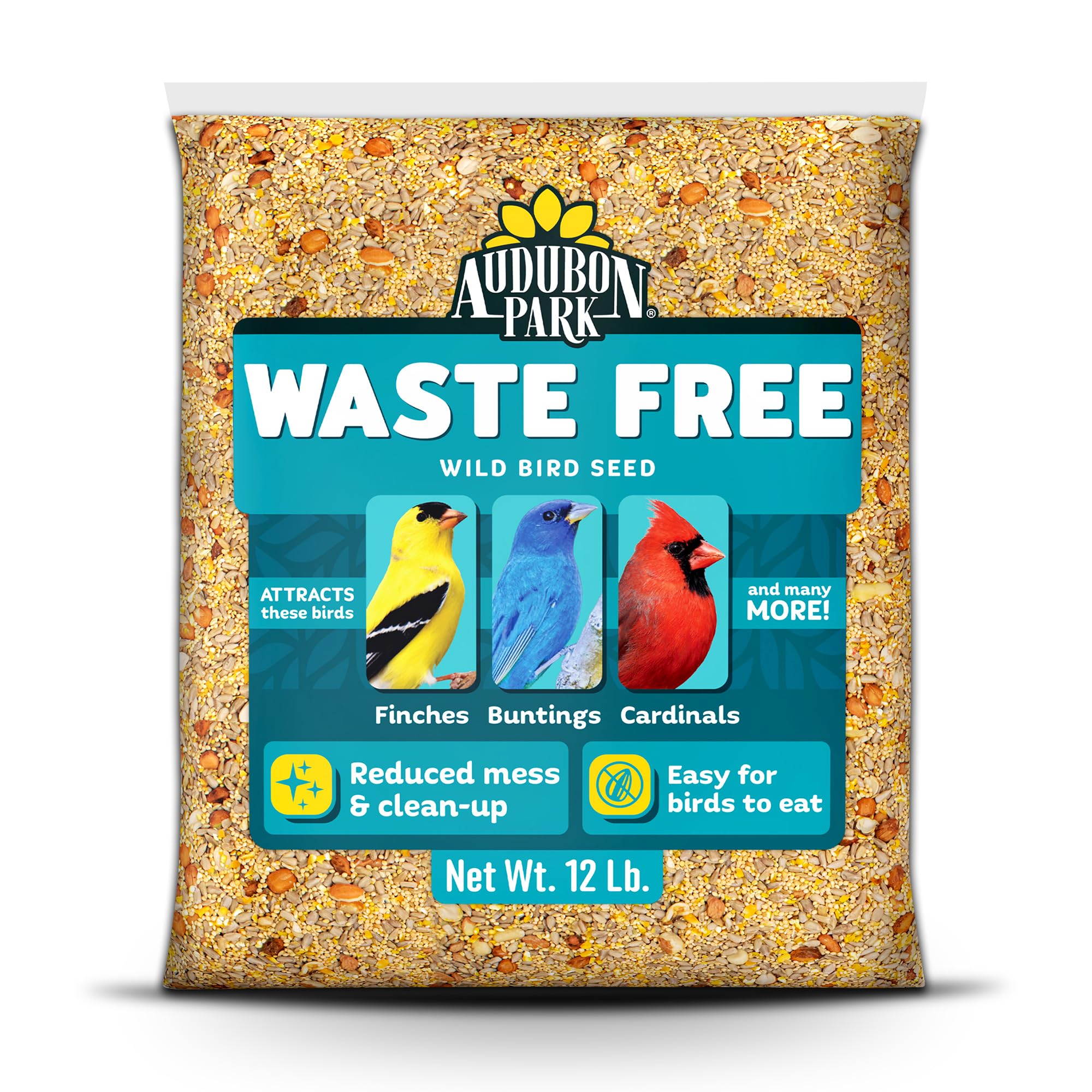
This is the gold standard for the feeder fanatic who values a clean deck above all else. The 12-pound bag is entirely composed of shell-free sunflower hearts and peanut pieces, meaning there is zero hull litter to sweep up. Blue Jays can pick out the sizable peanut chunks immediately, while the sunflower hearts provide a quick burst of energy that keeps them coming back throughout the day.
Owner reports consistently note that this blend attracts not just Blue Jays but a full roster of cardinals, finches, chickadees, and even the occasional woodpecker. The “no waste” claim holds up well in practice—ground-feeding birds and squirrels quickly clean up any stray pieces, so nothing rots on the ground.
The only trade-off is that because the seeds are hulled, they can spoil faster in wet conditions than unhulled seed. A feeder with a weather dome or a covered hopper is strongly recommended to keep the hearts dry. For the premium convenience and the sheer volume of bird visits, this is the pick for most serious birders.
Why we love it
- Truly 100% edible — no messy shells anywhere
- Large peanut pieces are an immediate draw for Blue Jays
Good to know
- Hulled seeds can clump or mold if exposed to heavy rain
- Premium price per pound versus standard shell-on seed
2. Kaytee Seed & Suet No Mess Blend Blueberry Flavor

Kaytee’s innovation here is the inclusion of suet nuggets in a standard seed blend, which adds a high-fat component that Blue Jays crave. The blueberry flavoring is a bonus—it seems to increase the scent appeal without any artificial fillers harming the birds. Because the seeds and suet nuggets are 100% edible, this is another top-tier choice for those who want no weed sprouts under the feeder.
User feedback highlights that this blend attracts “three times more woodpeckers than black oil sunflower alone,” but equally important, it brings in Blue Jays that are often competing with cardinals at the same tube feeder. The suet nuggets are soft enough for jays to break apart quickly, giving them a protein boost that keeps them active.
The 10-pound bag offers a solid value for the unique suet-seed combination. Some reviewers mention the bag size is smaller than expected visually, but the density of the suet nuggets means it lasts as long as a larger bag of fluffy seeds. Store it in a cool, dry place to prevent the suet from melting together in high heat.
Why we love it
- Suet nuggets add a high-fat energy source jays love
- Blueberry flavoring seems to increase bird interest
Good to know
- Suet can get sticky and clump in hot weather
- Not suitable for finch-only feeders due to larger particle size
3. Happy Wings Black Oil Sunflower Seeds
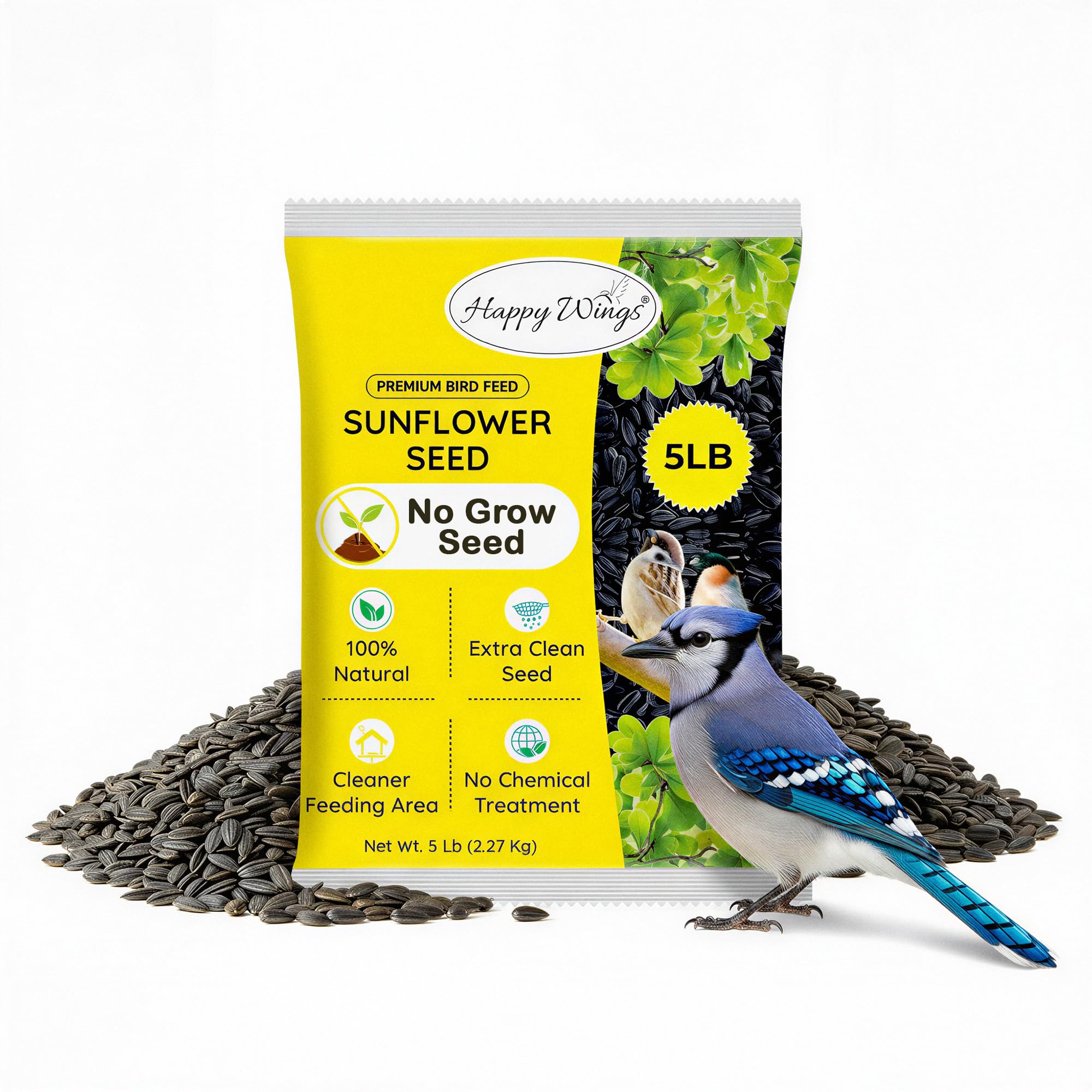
Sometimes the simplest approach is the best: a high-oil, clean black oil sunflower seed is a universal draw for Blue Jays. Happy Wings processes its seeds in USDA and BRC-GS approved facilities, ensuring a consistent product free from pests or mold. The “No Grow” treatment is a clever addition—it heat-processes the seed to kill the germ, preventing sprouting under your feeder while preserving the nutritional oil content.
Blue Jays will pick these up and crack them open with ease, leaving a small pile of empty hulls. If you use this seed in a tray feeder, be prepared for some clean-up, but the video evidence from owners shows aggressive feeding behavior from jays, cardinals, and chickadees. The 5-pound bag is a convenient size for testing a new brand without committing to a 20-pound sack.
One common observation is that the seeds are slightly smaller than some other brands’ black oil seeds, but the high-oil content is consistent. For anyone looking for a pure, single-ingredient food source without fillers, this is an excellent choice. It works well in any feeder type, including tube, hopper, or platform.
Why we love it
- High oil content provides maximum winter energy
- No grow treatment prevents weed problems
Good to know
- Hulls will accumulate underneath the feeder
- Seeds are slightly smaller than some competitors
4. Raw Red Skin Peanuts

If you want to be a Blue Jay’s best friend, serve these raw, unsalted, red-skin peanuts. Grown and packed in the USA, these are the real deal—no additives, no roasting, just the natural nut that jays will cache in tree crevices for days. The 3-pound bag is a manageable size, although you will likely want to buy in bulk once you see how quickly the feeder empties.
Customer accounts consistently report that Blue Jays specifically prefer these over any mixed seed when offered side by side. They will take a whole peanut, fly to a branch, and hammer it open with precision. The red skin stays intact, which owners find reassuring as a sign of freshness and minimal processing.
These are also great for roasting yourself, but for bird feeding purposes, they are perfect as-is. The bag is resealable, which is a nice touch for keeping the nuts fresh between refills. Just be aware: squirrels will also go crazy for these, so a squirrel-proof feeder is essentially mandatory if you want the peanuts to last beyond the first hour of daylight.
Why we love it
- Whole peanuts are a natural favorite for Blue Jays
- Unsalted and raw — perfectly safe for wild birds
Good to know
- Squirrels will find this bag quickly if not stored airtight
- Peanuts can spoil in humid conditions; store in a cool spot
5. Kaytee Cardinal Wild Bird Seed

The Bay is a budget-friendly entry point that intelligently uses safflower seed as its primary squirrel-deterrent weapon. Safflower has a bitter taste that most squirrels find unappealing, yet Blue Jays and cardinals love it. Mixed with black oil sunflower, this 7-pound bag creates a balanced meal that attracts a wide variety of birds while frustrating the local squirrel population.
Verified buyers frequently mention that this blend brings in “cardinals, blue jays, and woodpeckers” almost immediately. The safflower seeds are small and hard, but Blue Jays have no problem handling them. The bag also attracts chickadees and nuthatches, making it a solid all-rounder for a mixed-species feeding station.
The main drawback is that this is not a shell-free product. Expect hull accumulation under the feeder. Additionally, some reviewers note that if you have persistent squirrels, they might still find a way to the sunflower seeds, defeating the safflower’s purpose. It is also important to store the bag in a rodent-proof container, as the sunflower seeds can attract mice in a garage setting.
Why we love it
- Safflower seed naturally discourages most squirrels
- Attracts a wide variety of songbirds beyond just jays
Good to know
- Not a no-mess blend — shells litter the ground
- Some determined squirrels still eat the sunflower seeds
FAQ
Do Blue Jays prefer peanuts in the shell or shelled?
Will safflower seed actually stop squirrels from eating my Blue Jay food?
How long does a no-mess bird seed blend stay fresh in the feeder?
Final Thoughts: The Verdict
For most gardeners, the best bird food for blue jays winner is the Audubon Park Waste Free Blend because its shell-free formula eliminates yard mess while delivering the peanut pieces and sunflower hearts that Blue Jays naturally target first. If you want maximum woodpecker variety and a suet boost, grab the Kaytee Seed & Suet Blueberry Blend. And for the purest single-ingredient energy source, nothing beats the Raw Red Skin Peanuts for watching jays cache their treasure.