
Watching your beloved dog struggle with a limp or pain from an injury is a heart-wrenching experience. The right support can mean the difference between a slow, painful recovery and a confident return to playful days.
I’m Mo Mahin — the founder and writer behind Furric. My process involves deep market research, analyzing veterinary safety standards for orthopedic devices, and evaluating thousands of real pet owner experiences to separate effective support from well-marketed hopes.
This guide cuts through the confusion to help you make an informed, compassionate choice for your companion. Selecting the proper best braces and splints for dogs is essential for managing pain and promoting a safe, steady recovery in injured canines.
How To Choose The Best Braces And Splints For Dogs
Navigating the world of canine orthopedic support requires more than just picking a size. The wrong choice can hinder healing or cause discomfort. Focus on these key aspects to ensure you provide the right aid for your dog’s specific needs.
Identify the Exact Injury Location
Support must be joint-specific. A hock brace for the ankle will not stabilize a knee. Consult your vet to pinpoint whether the issue is in the carpus (wrist), stifle (knee), hock (ankle), or spine. Braces for ACL tears differ fundamentally from splints for carpal hyperextension or sleeves for arthritis pain management.
Prioritize Fit and Adjustability
An ill-fitting brace is worse than no brace at all. It can slip, rub, or cut off circulation. Always measure your dog’s leg circumference at the specified points per the product’s size chart. Look for multiple adjustable straps with strong Velcro to achieve a snug, secure fit that stays put during movement without being restrictive.
Evaluate Material and Construction
For long-term wear, breathable neoprene is a standard for comfort and sweat-wicking. Check for soft lining to prevent skin irritation. For significant instability, look for integrated metal or plastic splints that provide rigid support. The quality of stitching and strap attachments is a reliable indicator of overall durability.
Define Your Support Level Goal
Determine if your dog needs compression for swelling and arthritis pain, stabilization for a ligament injury, or full immobilization post-surgery. Simple compression sleeves are entry-level, while hinged or splinted braces offer mid-range to premium support for more serious conditions like torn CCLs or knuckling.
Quick Comparison
On smaller screens, swipe sideways to see the full table.
| Model | Type | Best For | Key Feature | Amazon |
|---|---|---|---|---|
| Ortocanis Carpal Support | Splinted Brace | Carpal Hyperextension | Removable metal splints | Amazon |
| Balto Jump Dog Knee Brace | Hinged Knee Brace | ACL/CCL Tears | Vet-approved, adjustable design | Amazon |
| Coodeo Dog Back Brace | Spinal Support | IVDD & Back Pain | Full-torso stabilization | Amazon |
| Strap-On Drop Foot Brace | Lifting Boot | Knuckling & Dragging | Lifts paw, prevents abrasion | Amazon |
| Ortocanis Dog Knee Brace | Compression Sleeve | Knee Instability | 360° neoprene support | Amazon |
| NeoAlly Ankle Brace Pair | Hock Support Pair | Bilateral Hock Support | Reflective straps, sold as a pair | Amazon |
| Ortocanis Dog Leg Brace | Wrist Support | Carpal Arthritis | HDR neoprene for joint warmth | Amazon |
| AGON Dog Leg Braces | Hock Wrap | Mild Sprains & Swelling | Mesh material for breathability | Amazon |
| Labra Dog Front Leg Brace | Compression Wrap | Lick Granulomas & Arthritis | 3mm neoprene, easy to use | Amazon |
| Lyderpet Front Leg Brace | Wrist Stabilizer | Front Leg Sprains | Integrated metal spring strips | Amazon |
| Lyderpet Rear Hock Brace | Ankle Support | Rear Leg Compression | Adjustable Velcro strips | Amazon |
In-Depth Reviews
1. Ortocanis Carpal Support
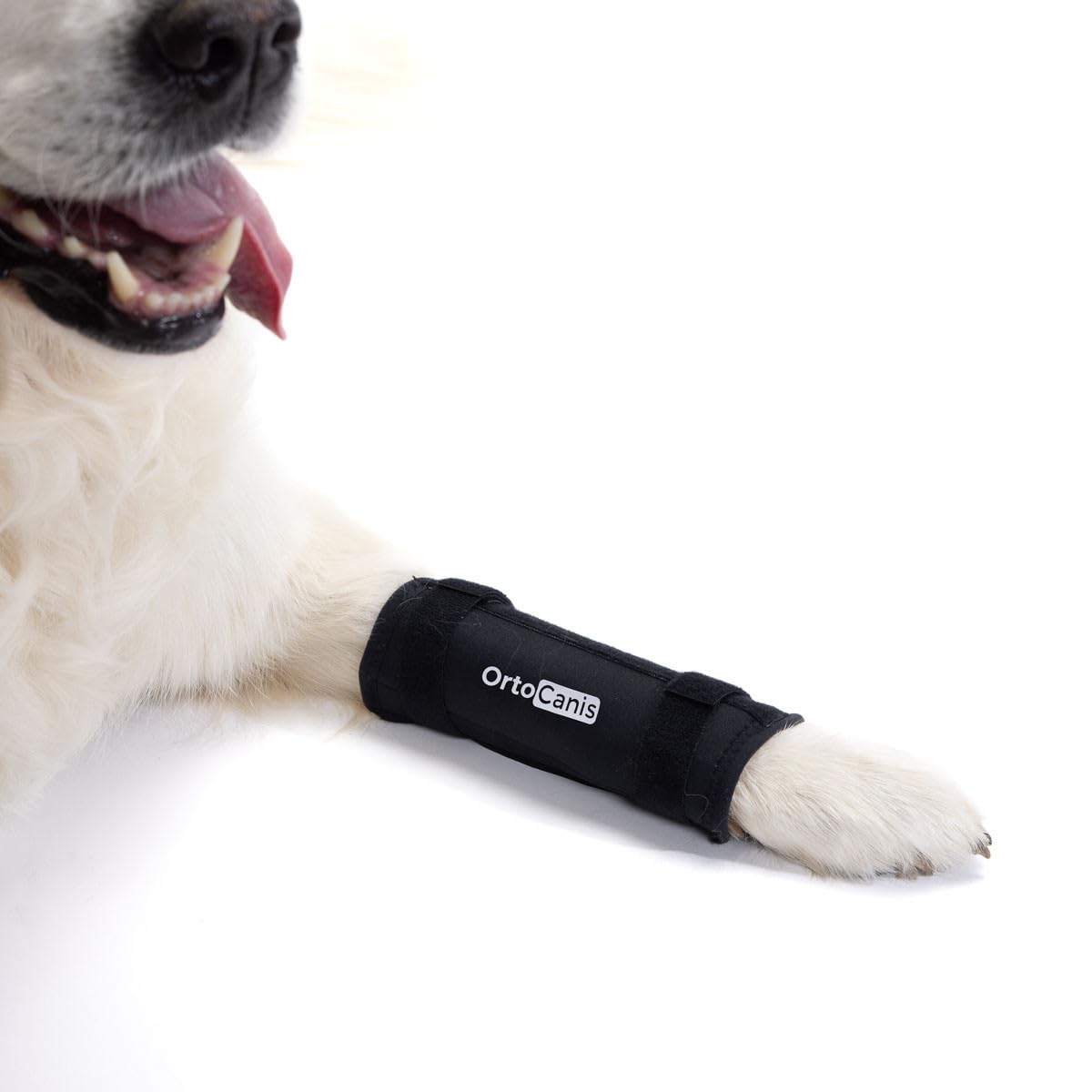
For dogs suffering from carpal hyperextension, osteoarthritis, or post-surgical recovery, this splinted brace offers a professional-grade alternative to bulky bandaging. It provides adjustable levels of immobilization crucial for proper tendon and ligament healing.
Constructed with 2mm neoprene andintegrated removable steel splints, this design allows you to customize support from compression to near-complete stabilization. The ergonomic fit and heavy-duty Velcro aim to keep the brace securely positioned without constant slippage, a common complaint with simpler wraps.
This is a mid-range solution for specific, serious conditions. It bridges the gap between basic sleeves and custom orthopedic devices, offering targeted support where flexibility must be carefully controlled to prevent further injury.
Why we love it
- Removable splints allow for customizable immobilization levels.
- Designed specifically for carpal instability and hyperextension.
- Durable neoprene construction with robust closure system.
Good to know
- Some guardians report the Velcro can wear out or catch on fabrics.
- Precise fit is critical; sizing can be challenging for atypical builds.
- Not a substitute for veterinary diagnosis of severe injuries.
2. Balto Jump Dog Knee Brace
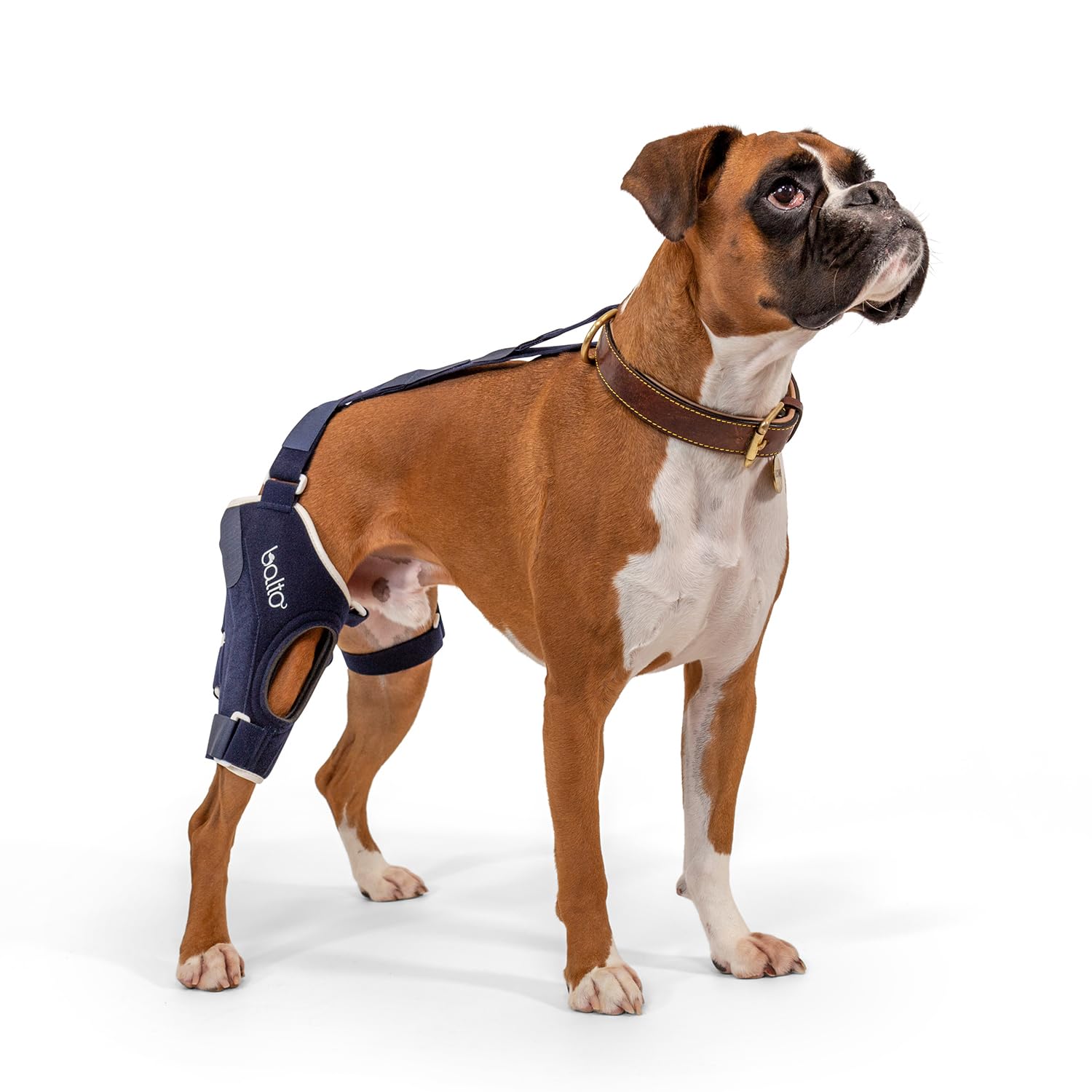
As a premium, vet-approved option, the Balto Jump brace is engineered for dogs dealing with the challenges of a torn cruciate ligament (ACL/CCL), luxating patella, or severe arthritis. Its design focuses on stabilizing the knee joint without sacrificing all natural motion.
Hand-crafted and featuring an intelligent strapping system that avoids the problematic neoprene belly band of cheaper models, it aims to stay securely anchored over the knee. The adjustable straps and breathable materials are intended for comfort during extended wear, whether used post-surgery or as a conservative management tool.
For dedicated pet parents seeking a high-quality, non-surgical aid, this brace represents a significant investment in their dog’s mobility. Success hinges entirely on meticulous measurement and patient adjustment during the initial fitting period.
Why we love it
- Specifically designed for knee stabilization, not just compression.
- Superior strapping system minimizes slippage compared to sleeve-style braces.
- Wide size range accommodates everything from Chihuahuas to Great Danes.
Good to know
- Premium price point; an investment.
- Can be awkward for dogs to sit or lie down in until they adjust.
- Requires careful, precise fitting following instructions exactly.
3. Coodeo Dog Back Brace
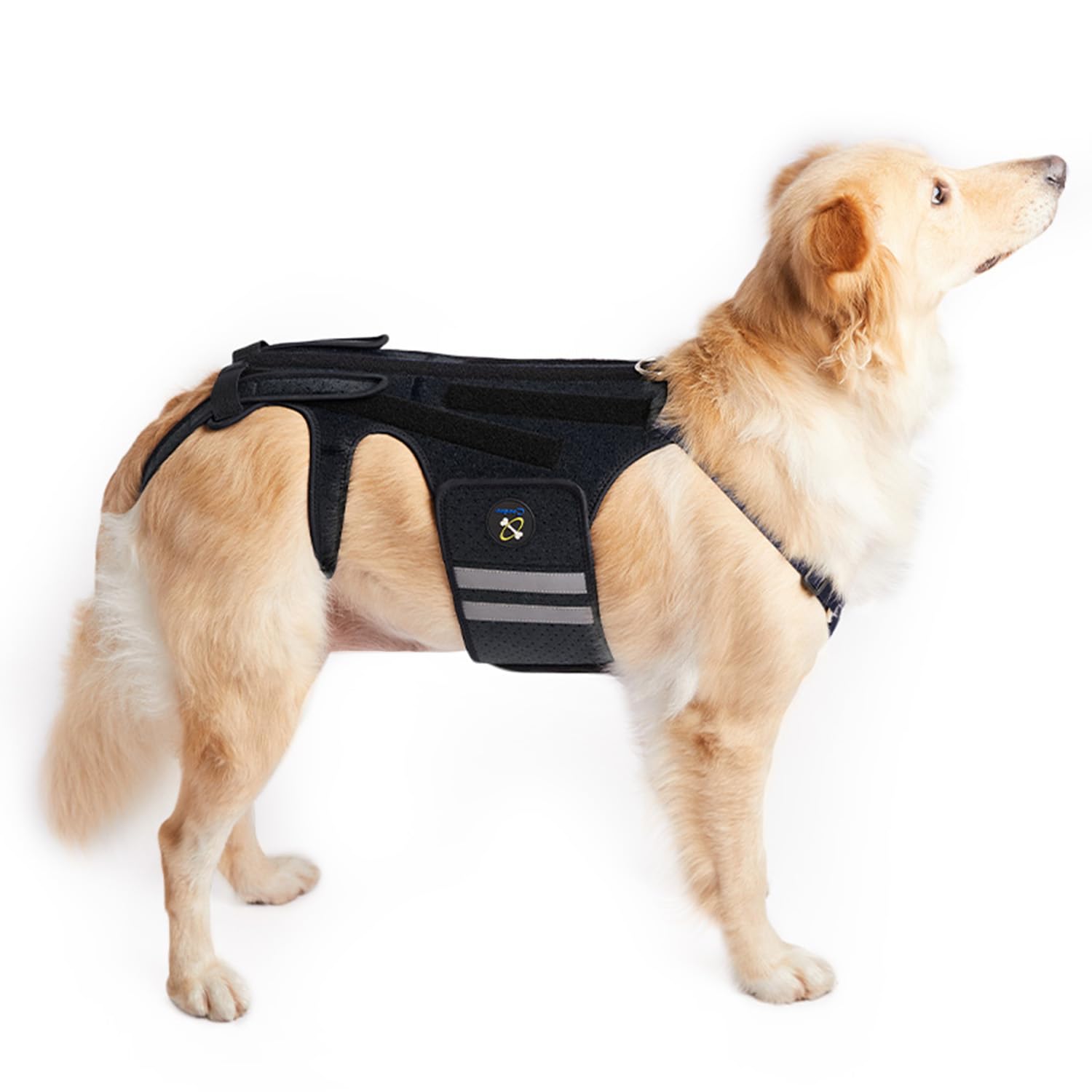
Dogs with intervertebral disc disease (IVDD), arthritis, or recovering from back surgery need targeted spinal stabilization, which is where this full-torso brace excels. It’s designed to limit harmful twisting and flexion, promoting proper alignment and pain relief.
The brace features a structured panel that runs along the spine, with secure leg straps to keep it positioned correctly. This design helps dogs maintain a healthier posture during movement, which can reduce nerve impingement and increase confidence for those with hind-end weakness.
Feedback from guardians of dogs with chronic back issues is notably positive, with many reporting visible improvements in their pet’s comfort and mobility. It’s a specialized tool best used under veterinary guidance for specific spinal conditions.
Why we love it
- Provides crucial stabilization for the spine, not just limbs.
- Can offer significant pain relief for dogs with IVDD or spondylosis.
- Helps improve posture and stability during walking.
Good to know
- Leg straps may chafe or be awkward for some female dogs.
- Dogs need an adjustment period to accept wearing a full torso brace.
- Must be fitted correctly to be effective and avoid discomfort.
4. Strap-On Drop Foot Brace
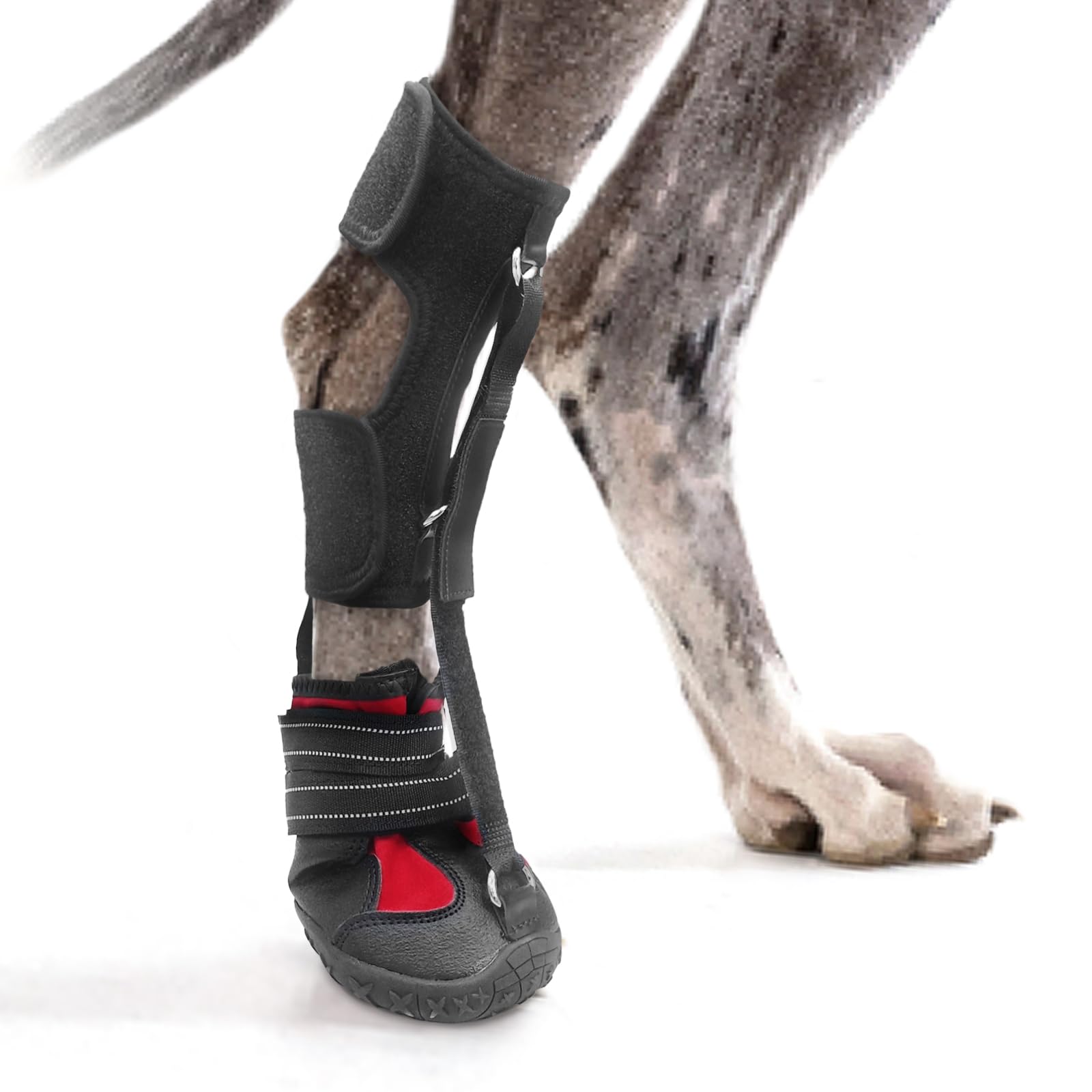
Knuckling, where a dog drags the top of its paw, is a heartbreaking symptom of neurological issues, FCE, or severe weakness. This specialized boot is engineered to physically lift the paw into a proper position, preventing abrasions and encouraging a more normal gait.
It combines a protective bootie with a strapping system that anchors above the hock, using a lift strap to correct the paw’s angle. This functional design aims to protect the vulnerable dorsal paw surface from being scraped raw during walks.
Veterinarians and pet parents managing conditions like degenerative myelopathy note its practical benefit. While it doesn’t cure the underlying issue, it serves as an important protective device that can improve quality of life and mobility.
Why we love it
- Unique design specifically addresses paw-dragging and knuckling.
- Protects the top of the paw from painful abrasions and injury.
- Can help dogs walk more confidently by providing a stable foot platform.
Good to know
- Some users report straps can break or wear out with vigorous use.
- Can be tricky to fit and adjust correctly for the right lift angle.
- The boot portion is more of a protective sock than a rigid splint.
5. Ortocanis Dog Knee Brace
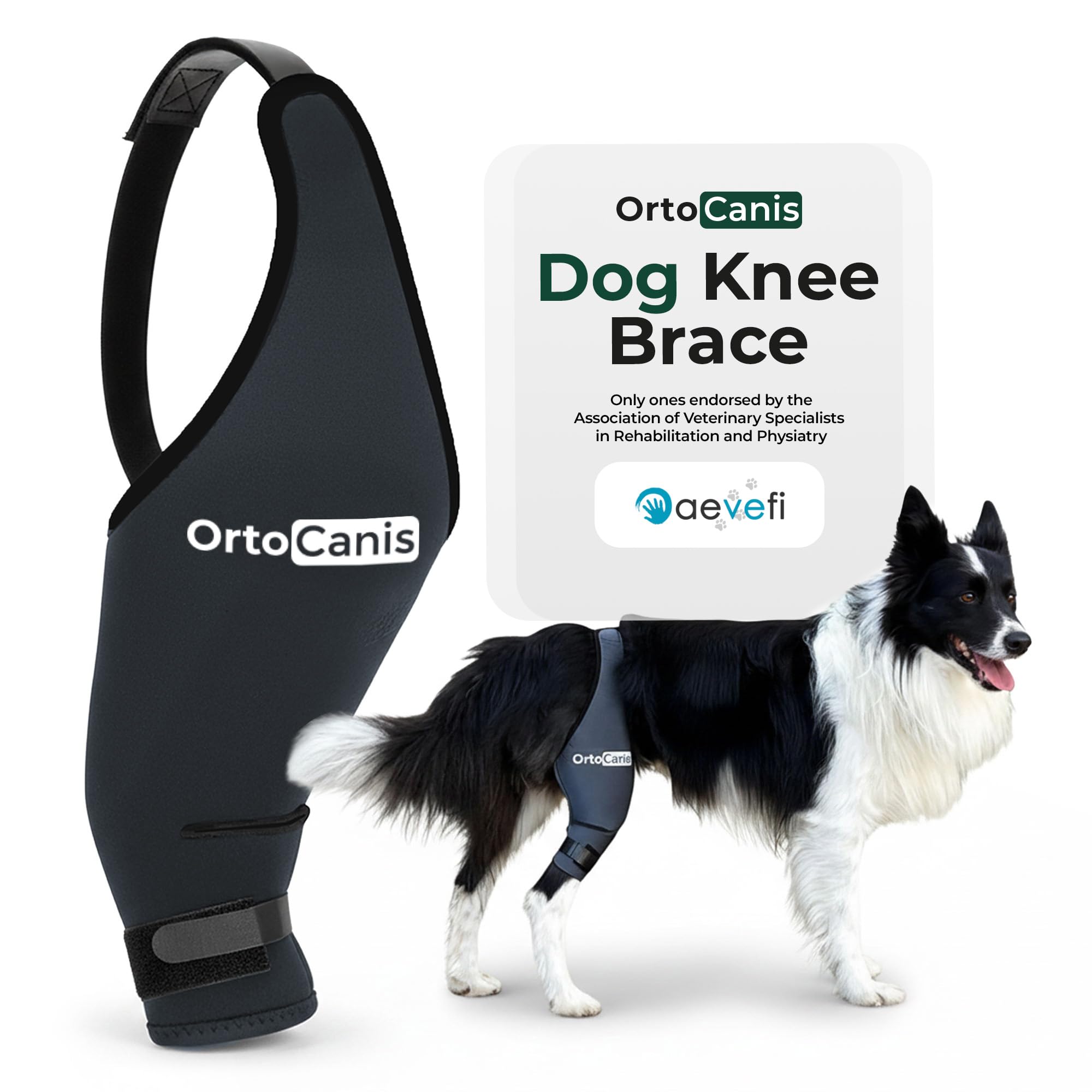
This neoprene knee sleeve offers a balanced approach for dogs with mild to moderate instability, arthritis, or as a post-surgery support aid. It provides 360-degree compression to promote warmth, increase circulation, and offer gentle stabilization.
Made from High Dynamic Resistance (HDR) neoprene, it’s designed to be flexible and comfortable for all-day wear. The sleeve fits over the knee joint, aiming to reduce strain during light activity while allowing for a good range of natural motion.
Several guardians have shared stories of using this brace as part of a conservative management plan for torn CCLs, avoiding surgery. It’s important to have realistic expectations—this provides support and comfort, not the rigid immobilization of a hinged brace.
Why we love it
- Affordable entry point for knee support and compression therapy.
- Comfortable, flexible neoprene suitable for extended wear.
- Can help manage arthritis pain and mild ligament strains effectively.
Good to know
- Not designed for male dogs, as the strap can rub against the sheath.
- Provides compression and mild support, not stabilization for major injuries.
- Can slip down if not perfectly sized or on very active dogs.
6. NeoAlly Ankle Brace Pair

Veterinary logic often recommends supporting both hind legs when one is injured to prevent strain and imbalance on the “good” leg. This product delivers on that advice by providing a pair of hock braces, making it a smart, ready-to-use solution.
Constructed from 4mm neoprene with a soft nylon lining, these braces aim to offer durable support for the ankle (hock) joint. A standout feature is the reflective Velcro straps, adding a layer of safety for evening or early morning walks.
From small dogs to cats with hind leg weakness, the feedback highlights its utility for bilateral support. The pair format eliminates the need to purchase two separate items and ensures design consistency for both limbs.
Why we love it
- Sold as a practical pair, following common veterinary advice.
- Reflective straps enhance visibility during low-light walks.
- 4mm neoprene offers a good balance of support and comfort.
Good to know
- May not stay on securely for all cats or very slender-legged dogs.
- Specifically for the hock/ankle, not the knee.
- As with all braces, sizing accuracy is paramount for success.
7. Ortocanis Dog Leg Brace

Targeting the carpus (wrist) joint, this support sleeve is ideal for active dogs, seniors with arthritis, or those recovering from tendon or ligament strains in the front leg. The HDR neoprene is designed to maintain optimal joint temperature to promote circulation and healing.
Its versatile design is marketed for both injury recovery and preventive support during high-impact activities like agility. The compression helps reduce inflammation and can provide a reassuring sense of stability for a weakened joint.
Pet parents of sporting breeds and older dogs appreciate its focused application. It’s a straightforward tool for managing front-end lameness related to the wrist, offering a mid-range option between basic wraps and rigid splints.
Why we love it
- Specifically designed for carpal (wrist) joint support.
- HDR neoprene promotes therapeutic warmth and compression.
- Useful for both injury recovery and activity prevention.
Good to know
- Sold as a single brace, not a pair.
- Provides compression and mild support, not immobilization.
- Sizing must be precise to be effective.
8. AGON Dog Leg Braces

For dogs with mild hock sprains, swelling, or those needing light compression, this wrap offers a breathable alternative to solid neoprene. The mesh and nylon blend aims to provide support while allowing for better air circulation, which can be crucial for comfort during longer wear.
The design includes two straps for a more customizable fit around the tapered shape of the hock. This can help prevent the brace from sliding down, a frequent issue with single-strap designs, especially on active dogs.
Many users found it effective for managing minor injuries and providing confidence during recovery. It’s an entry-level tool that serves its purpose well for straightforward support needs, though it may not withstand the test of time for chronic conditions.
Why we love it
- Breathable mesh material reduces heat and moisture buildup.
- Dual-strap design offers a more secure, adjustable fit on the hock.
- Effective for mild sprains, swelling, and post-activity support.
Good to know
- Velcro quality may degrade with frequent use and washing.
- Not intended for significant instability or ligament tears.
- Provides compression, not structural reinforcement.
9. Labra Dog Front Leg Brace

Sometimes, a brace’s primary job isn’t structural support but creating a physical barrier. This sleeve excels for dogs plagued by compulsive licking that leads to hot spots or lick granulomas, as well as providing mild arthritis support.
The 3mm neoprene is soft yet durable, designed to be comfortable for all-day wear while preventing the dog’s tongue from reaching the skin. By allowing the affected area to heal undisturbed, it can break the vicious itch-lick cycle.
Guardians battling persistent wound issues report significant success where cones and bandages failed. It’s a thoughtful solution that addresses a behavioral component of healing while offering the secondary benefit of joint compression.
Why we love it
- Excellent as a barrier to stop licking and scratching wounds.
- Provides mild compression and support for arthritic front legs.
- Comfortable, breathable material suitable for extended wear.
Good to know
- Design can allow it to stretch and loosen over time with active dogs.
- Some dogs may still find ways to remove it.
- Sold as a single unit, not a pair.
10. Lyderpet Front Leg Brace

This front leg brace incorporates flexible metal spring strips on the sides, aiming to add a degree of structural support beyond simple compression. It’s tailored for carpal and wrist issues, from sprains to arthritis in older dogs.
The integrated springs are designed to provide gentle, dynamic reinforcement that moves with the dog, helping to stabilize the joint during weight-bearing. The three Velcro straps offer multiple adjustment points for a secure fit.
Users dealing with conditions like carpal tunnel syndrome in dogs have noted its effectiveness in reducing popping sounds and providing stability. It represents a step up from basic neoprene sleeves for front leg concerns.
Why we love it
- Side spring strips offer more support than plain neoprene.
- Three adjustable straps help achieve a secure, non-slip fit.
- Effective for managing carpal sprains and arthritis discomfort.
Good to know
- May not provide enough rigidity for severe hyperextension.
- As an entry-level splinted option, durability can vary.
- Requires careful sizing and frequent re-adjustment during activity.
11. Lyderpet Rear Hock Brace

For pet parents needing an affordable compression solution for a dog’s rear ankle (hock), this brace serves as a basic starting point. It’s designed to offer support, reduce swelling, and provide comfort for arthritis or mild sprains.
The four Velcro strips allow for customization around the leg’s contour, which is essential for the tapered hock area. The inclusion of side-reinforced metal springs aims to add longevity and a slight stabilizing effect.
Feedback is mixed, highlighting the importance of perfect sizing. When it fits well, it can be a helpful tool; when it doesn’t, it slips or fails to provide adequate support. It’s a classic example of getting what you pay for in the realm of canine orthopedics.
Why we love it
- Budget-friendly introduction to hock support and compression.
- Multiple adjustment points with four Velcro strips.
- Can provide relief for elderly dogs with arthritis in the ankle.
Good to know
- Quality and durability are inconsistent, per user reports.
- High likelihood of slipping if not fitted impeccably.
- Not suitable for significant injuries or instability.
Safety & Care Tips
Monitor Fit and Skin Frequently
A brace should be snug but not tight. You should be able to slip two fingers underneath. Check the skin under the brace every few hours for the first day of use, and at least twice daily thereafter. Look for redness, swelling, hot spots, or hair loss. These are signs the brace is too tight, rubbing, or causing an allergic reaction. Always follow the manufacturer’s guidance on wear time, often recommending removal every few hours and overnight.
Prioritize Veterinary Consultation
Never use a brace or splint as a substitute for a professional veterinary diagnosis. An incorrect device can mask symptoms or worsen an injury. Your vet can identify the exact structure involved (ligament, tendon, bone) and recommend the appropriate type and level of support. They can also advise on a comprehensive treatment plan that may include rest, medication, physical therapy, or surgery alongside bracing.
FAQ
Can a brace heal my dog’s torn ACL?
How do I stop the brace from sliding down?
Is it safe to leave a brace on overnight?
What is the difference between a brace and a splint?
Final Thoughts: The Verdict
For most pet parents, the best braces and splints for dogs winner is the Ortocanis Carpal Support because it expertly fills a critical niche with its removable metal splints for carpal issues. If you want premium knee stabilization for an ACL tear, grab the Balto Jump Dog Knee Brace. And for managing spinal conditions like IVDD, nothing beats the structured support of the Coodeo Dog Back Brace.