
A nursing queen cat expends an extraordinary amount of energy producing milk, often requiring two to four times her normal caloric intake. Choosing the wrong food during this critical lactation period can lead to poor milk production, rapid maternal weight loss, and underdeveloped kittens. The right diet must deliver dense, highly digestible protein, elevated calcium and phosphorus levels, and ample DHA to support both the mother’s recovery and the kittens’ brain and vision development.
I’m Mo Mahin — the founder and writer behind Furric. I’ve spent years analyzing veterinary nutritional standards, comparing ingredient profiles, and cross-referencing thousands of verified owner experiences to determine which formulations truly meet the elevated demands of nursing cats.
This guide breaks down the top-rated formulations for lactation and weaning, evaluating caloric density, kibble size, and digestive support features. Whether you’re a breeder managing a litter or a foster caregiver, finding the right cat food for nursing cats ensures both mother and kittens thrive through this demanding stage.
How To Choose The Best Cat Food For Nursing Cats
The lactation period places unique metabolic stress on a cat. Standard adult maintenance foods lack the caloric density and targeted nutrients a queen requires. Selecting the right formula means evaluating several specific factors that directly impact milk quality and maternal health.
Caloric Density and Crude Protein Minimums
A nursing queen needs a diet with at least 35–40% crude protein on a dry matter basis. Look for kitten-labeled or “growth and reproduction” diets that deliver that threshold. High-quality animal protein must be the first ingredient, and the formula should provide elevated fat content — typically 18–22% — to supply the energy needed for milk synthesis without forcing the mother to consume excessive volume.
Kibble Size and Texture
Kittens begin the weaning process around 3–4 weeks with soft, tiny food particles. A formula that offers rehydratable kibble — small enough for neonatal mouths and capable of forming a porridge-like consistency when mixed with warm water — is a practical advantage. The same small kibble is easier for the queen to graze on throughout the day without crushing or wasting pieces.
Digestive and Immune Support
Lactation stresses the queen’s gastrointestinal tract. Prebiotics like fructooligosaccharides (FOS) and highly digestible proteins help maintain a healthy balance of gut bacteria, reducing the risk of loose stools. Clinically proven antioxidants — vitamins E and C — support the passive transfer of immunity through the mother’s colostrum and milk to the kittens.
Quick Comparison
On smaller screens, swipe sideways to see the full table.
| Model | Category | Best For | Key Spec | Amazon |
|---|---|---|---|---|
| Royal Canin Mother & Babycat | Premium | Nursing queens & weaning kittens | 3.5mm rehydratable kibble | Amazon |
| ACANA First Feast | Premium | High-protein grain-free diet | 70% animal ingredients | Amazon |
| Purina Pro Plan Kitten | Mid-Range | Budget-friendly DHA support | Shredded blend + live probiotics | Amazon |
| Royal Canin Small Starter | Mid-Range | Small-breed dog nursing / weaning | 1.13 kg bag, tiny kibble | Amazon |
| Wellness CORE Kitten | Mid-Range | Grain-free high-protein kitten | 55% animal protein, DHA added | Amazon |
In-Depth Reviews
1. Royal Canin Mother & Babycat Queen Dry Cat Food
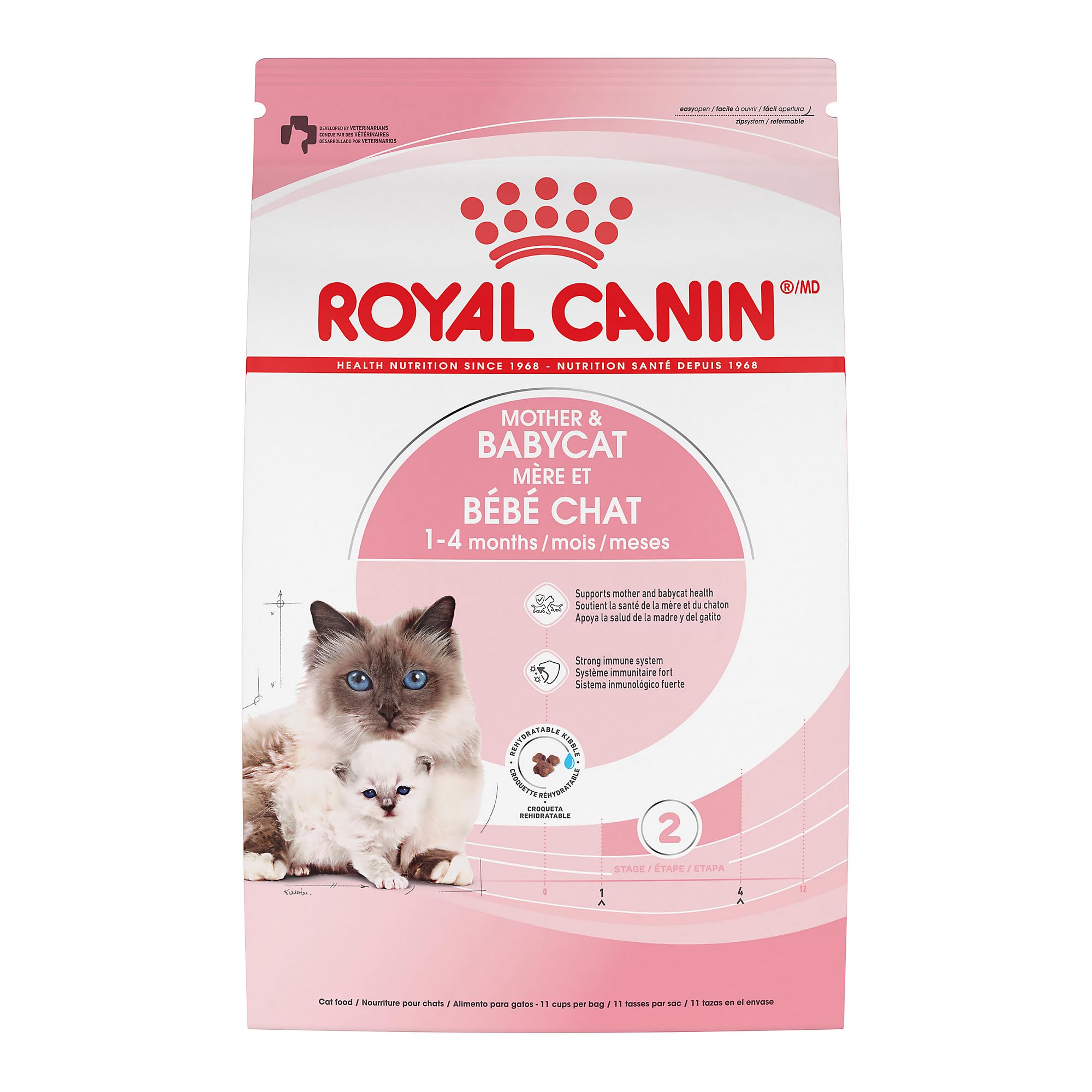
Royal Canin formulated this recipe specifically to address the dual demands of nursing queens and kittens aged 1 to 4 months. The kibble measures just 3.5 mm, making it easy for tiny mouths to manage dry or softened with warm water into a porridge-like consistency. The formula delivers an innovative blend of clinically proven antioxidants — vitamins E and C — to support passive immune transfer through the mother’s milk.
Digestive health is prioritized through a combination of prebiotics and highly digestible proteins that promote a balanced intestinal microbiome, reducing the risk of diarrhea during the stressful lactation and weaning period. The calcium-to-phosphorus ratio is calibrated to support the queen’s bone metabolism without overloading her system, a critical detail for breeders managing consecutive litters.
Verified owners, especially breeders of Siberian and Maine Coon cats, consistently highlight that their queens maintained healthy body condition through the entire nursing cycle, and that kittens transitioned to solid food with minimal digestive issues. The only downside is the premium price point, but the targeted nutritional precision and veterinary backing justify the cost for those prioritizing optimal maternal and kitten outcomes.
Why we love it
- Specifically formulated for pregnant, nursing, and weaning felines
- Rehydratable 3.5 mm kibble ideal for kitten transition
- Clinically proven antioxidants and prebiotics for immune and digestive health
Good to know
- Premium price point compared to general kitten foods
- Some picky queens may require a gradual transition from previous food
2. ACANA First Feast Kitten Dry Cat Food
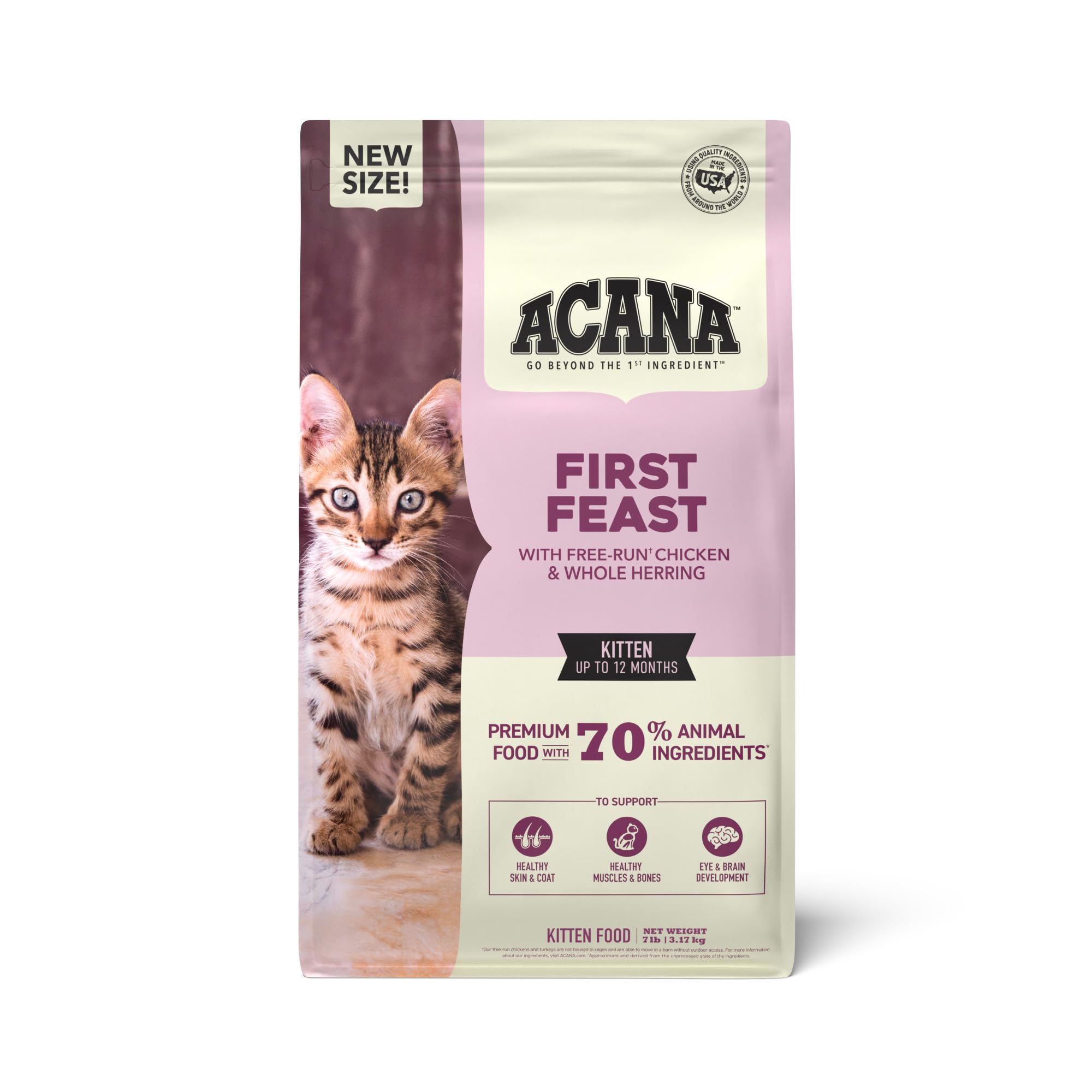
ACANA First Feast is a biologically appropriate diet with 70% animal ingredients from free-run chicken and whole herring, delivering a high-protein, grain-free formula that mirrors a feline’s ancestral diet. The 7.5 x 3.5 mm triangular kibble is sized appropriately for kitten mouths and can be soaked for queens who prefer softer food during the postpartum recovery phase.
The inclusion of balanced omega-3 and omega-6 fatty acids from salmon oil supports skin elasticity and coat regrowth for the queen after fur loss during late pregnancy, while also promoting a glossy coat in nursing kittens. Taurine, EPA, and DHA are included at clinically relevant levels to support the kittens’ developing heart, retina, and brain function during the critical first four months of life.
Owners report that even notoriously picky eaters accept this formula readily, and many note that their queens maintained muscle tone and energy levels throughout lactation without excessive weight loss. The formula is free from corn, wheat, soy, tapioca, and artificial preservatives, making it a strong choice for cats with sensitive digestive systems. The larger 7-pound bag provides good value for multi-cat households managing several litters.
Why we love it
- High meat inclusion with no grain or artificial additives
- Balanced omega fatty acids for queen and kitten coat health
- Triangular kibble easy to soak or eat dry
Good to know
- Not a rehydratable kibble — requires soaking to soften fully
- Pricing is premium, though the 7 lb bag offers better per-pound cost
3. Purina Pro Plan Kitten Complete Essentials Shredded Blend
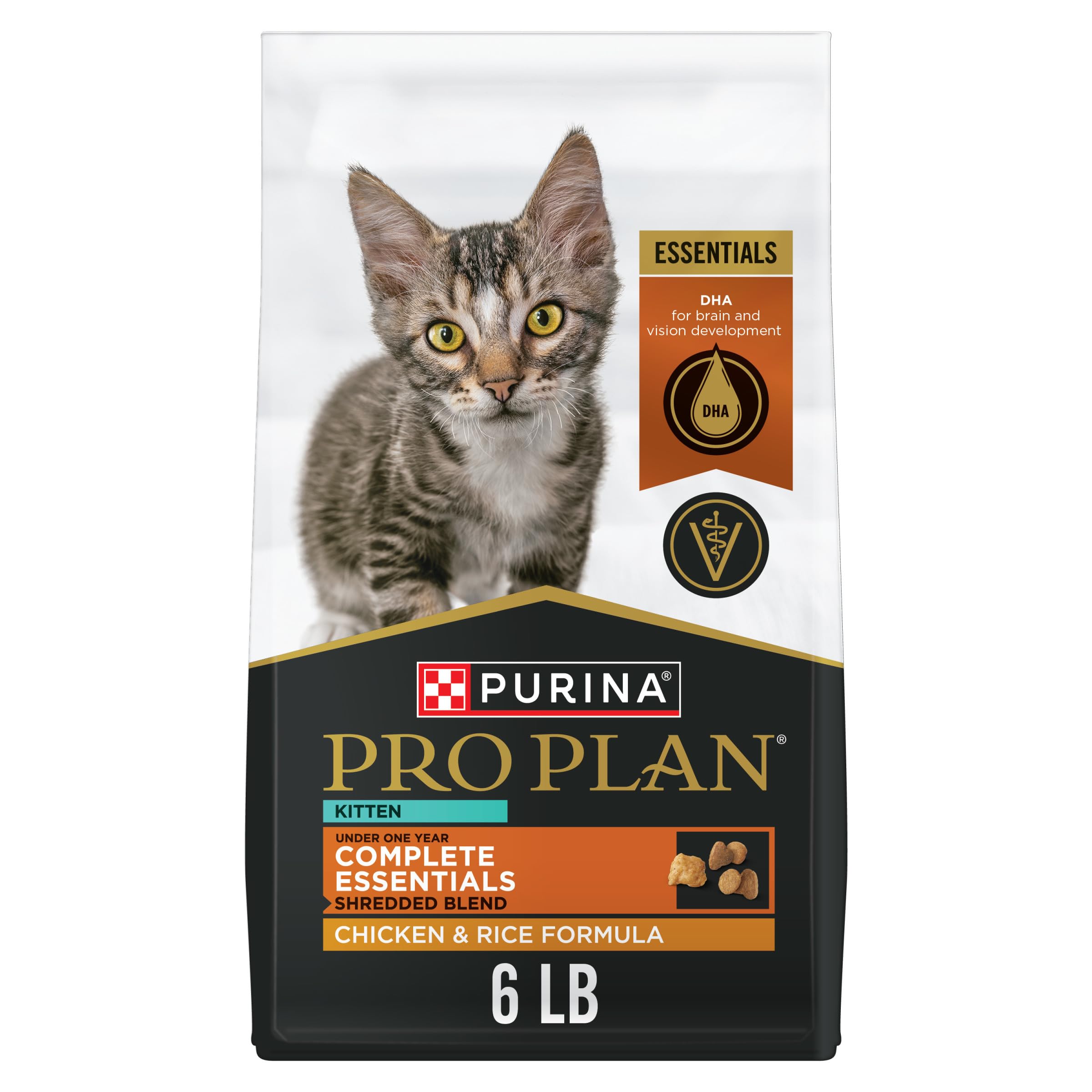
Purina Pro Plan Kitten Complete Essentials combines two textures — meaty shredded pieces and crunchy kibble — to encourage queens with diminished postpartum appetite to maintain consistent caloric intake. Real chicken is the first ingredient, and the formula is fortified with DHA from omega-3 fatty acids to support the queen’s cognitive function during the demanding nursing period and to nourish the kittens’ developing nervous systems.
A standout feature of this mid-range formula is its guaranteed live probiotic inclusion, which helps stabilize the queen’s gut flora during the stress of lactation. The formula also provides vitamin A and taurine for vision health, plus antioxidants to bolster the immune system of both mother and kittens. The 6-pound bag size is practical for single-litter households, reducing the risk of food going stale before it is consumed.
Verified purchasers note that this food helps reduce litter box odor and maintains firm stools in kittens during the weaning transition. Some owners of large-breed kittens, such as Maine Coons, report excellent growth rates and healthy weight gain. A small number of cats experience temporary flatulence or softer stools during the initial transition, so a gradual 7-day introduction is recommended.
Why we love it
- Live probiotics for digestive stability during lactation
- DHA supports kitten brain and vision development
- Shredded texture encourages picky queens to eat
Good to know
- Not a rehydratable porridge-type kibble
- Some cats experience gas during the initial transition period
4. Wellness CORE Kitten Dry Cat Food

Wellness CORE Kitten delivers 55% high-quality animal protein from deboned turkey, chicken meal, and salmon oil, making it one of the most protein-dense options in the mid-range tier. This level of protein is ideal for nursing queens who require sustained amino acid delivery for milk production without relying on plant-based fillers. The formula is grain-free and uses non-GMO ingredients, appealing to owners who prioritize a natural nutritional profile.
DHA from salmon oil is included at levels that support the kittens’ neurological development, while probiotics and antioxidants work to maintain digestive regularity and immune function for the queen. The controlled mineral content — particularly phosphorus — helps maintain healthy kidney function in the queen during the increased metabolic load of lactation. The 5-pound bag is a manageable size for testing acceptance before committing to a larger volume.
Customers frequently report that this formula improves coat shine and skin health in nursing queens within two to three weeks, and that kittens weaned onto this food maintain solid stools with minimal digestive upset. The higher fat content — 18% — provides the caloric density needed for lactation, though owners with less active queens should monitor portion sizes to prevent excessive postpartum weight retention.
Why we love it
- Very high protein-to-carbohydrate ratio for dense nutrition
- DHA from salmon oil for kitten development
- Grain-free and made without corn, wheat, or soy
Good to know
- 18% fat content may cause weight gain in less active queens
- Some kittens may prefer the taste of competing brands
5. Royal Canin Small Starter Mother & Babydog Dry Dog Food
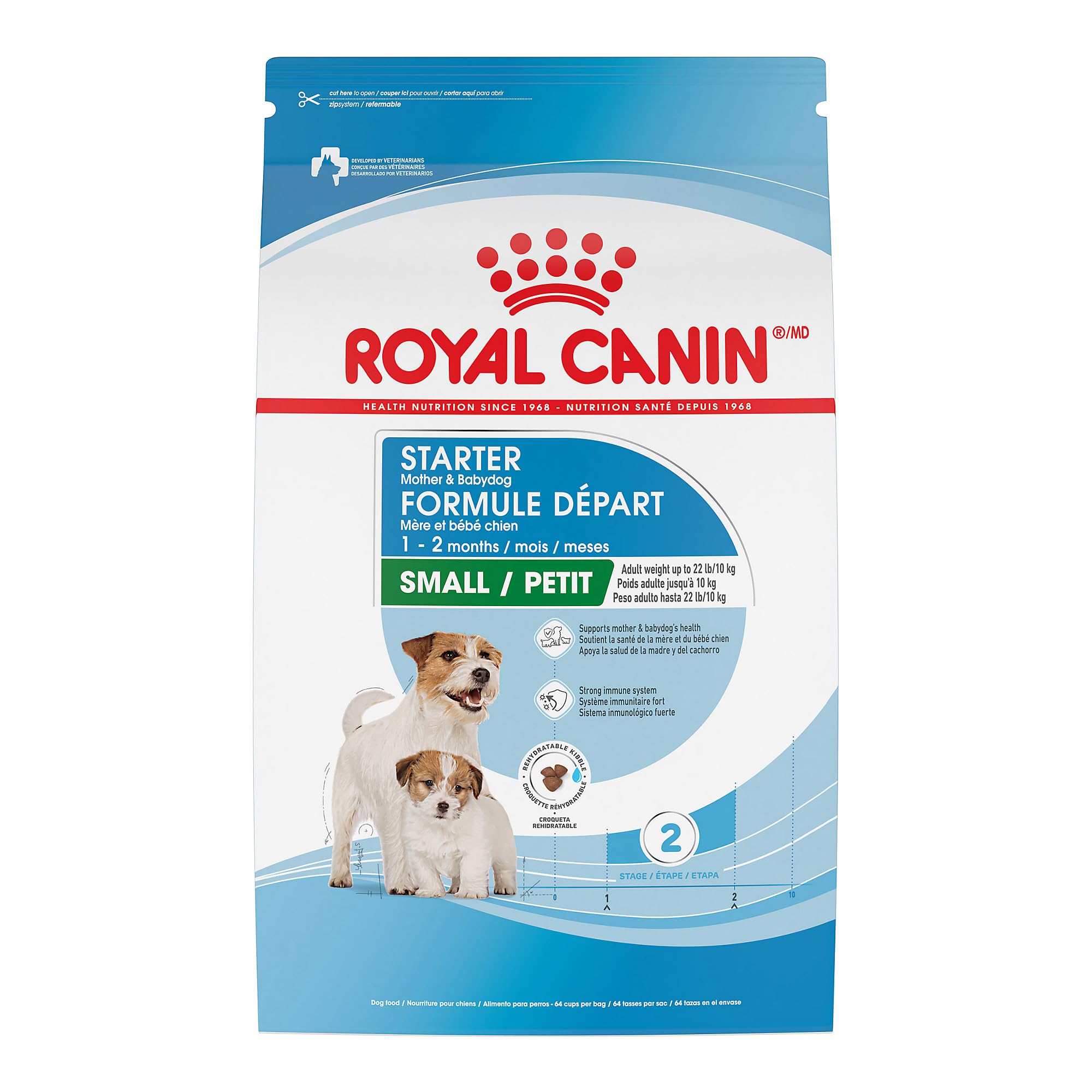
Note: This is a dog food product, but several cat breeders have reported using it successfully for very small nursing breeds due to its exceptionally tiny kibble size and rehydratable properties. The formula is designed for female dogs during gestation and lactation and for puppies up to 2 months of age, featuring a micro-sized kibble that turns into a porridge-like consistency when warm water is added.
The nutritional response blend aims to facilitate the transition from milk to solid food, and the prebiotic-fiber combination supports digestive health for puppies. For cat owners considering this option, be aware that the macronutrient profile is formulated for canines and does not meet the feline-specific taurine and arachidonic acid requirements that cats must have in their diet. This product is included here for informational completeness but is not recommended as a primary food for cats.
Customer reviews from small-dog breeders — particularly owners of Yorkshire Terriers and Shih Tzus — praise the tiny kibble size for toy breeds and the firm stools it produces. However, there is no reliable evidence from the manufacturer or veterinary community supporting its nutritional adequacy for cats. Cat owners should treat this product as a last-resort emergency option, not as a daily feeding solution.
Why we love it
- Extremely small kibble ideal for tiny mouths
- Rehydratable to a soft porridge consistency
- Clinically proven antioxidant blend for immune support
Good to know
- Formulated for dogs — not nutritionally adequate for cats
- Lacks feline-specific taurine and arachidonic acid
FAQ
Can I feed adult cat food to a nursing queen?
How long should a nursing cat stay on kitten formula?
What is rehydratable kibble and why does it matter?
Final Thoughts: The Verdict
For most nursing queens and their litters, the cat food for nursing cats winner is the Royal Canin Mother & Babycat Queen because its rehydratable 3.5 mm kibble, clinically proven antioxidants, and precise calcium-to-phosphorus ratio were designed specifically for the lactation and weaning window. If you want a grain-free formula with exceptionally high meat content, grab the ACANA First Feast. And for a budget-friendly yet nutrient-dense option with live probiotics, nothing beats the Purina Pro Plan Kitten Complete Essentials.