
Choosing a litter for a declawed cat isn’t the same as picking one for any other feline. Those paws carry a lifetime of sensitivity, and the wrong texture or dust level can turn every trip to the box into an uncomfortable experience. I’ve spent years studying how materials interact with healing paw tissue, and I can tell you that the right litter makes a genuine difference in your cat’s daily comfort and confidence.
I’m Mo Mahin — the founder and writer behind Furric. I’ve analyzed dozens of litter formulations against veterinary safety standards and sifted through thousands of real owner experiences to separate marketing noise from what actually works for sensitive paws.
Your declawed cat needs a gentle, low-dust litter for sensitive paws, and this complete guide helps you find the best cat litter for declawed cats.
How To Choose The Best Cat Litter For Declawed Cats
Declawed cats experience a permanent change in how their paws interact with the world. The absence of the claw’s protective curve means the paw pads and remaining toe structures bear more direct contact with litter granules. Every texture, dust particle, and chemical additive either soothes or aggravates that contact. Here’s what to prioritize when making your choice.
Prioritize Ultra-Fine or Soft Pellet Textures
Standard clay litters with large, jagged granules can feel abrasive to declawed cats who already tread carefully. Look for litters labeled “fine grain,” “soft,” or “natural plant-based pellets” that break down into gentle, rounded particles. Tofu and wood-based litters often deliver a softer feel under the paw compared to traditional clay. Many declawed cat owners report that their cats linger longer in the box and exhibit less paw-lifting behavior after switching to a softer texture.
Zero Compromise on Dust Levels
Dust isn’t just a respiratory concern — it also clings to sensitive paw pads and can cause irritation during grooming. A genuinely low-dust or 99.9% dust-free formula is non-negotiable. Clay litters marketed as “low dust” still release some particulate matter, while premium wood and tofu options tend to produce nearly invisible dust clouds. If your cat sneezes near the litter box or licks their paws excessively after using it, dust is likely the culprit.
Avoid Harsh Fragrances and Essential Oils
While a fresh lavender scent might appeal to you, strong fragrances and concentrated essential oils can sting sensitive paw tissue and overwhelm your cat’s olfactory system. Unscented or naturally deodorized formulas (using baking soda or activated charcoal) are safer choices. If you do want a light scent, look for litters that use plant extracts in trace amounts rather than synthetic perfumes or high-concentration essential oils.
Clumping Performance and Tracking Matter More Than You Think
Declawed cats often develop altered bathroom postures to compensate for missing claws, which can lead to uneven waste coverage and deeper urine pooling. A hard-clumping litter that locks moisture into tight clumps prevents sticky residue from contacting sensitive paws during the next visit. Low-tracking formulations also reduce the litter scatter your cat has to walk across on bare floors between the box and their resting area.
Quick Comparison
On smaller screens, swipe sideways to see the full table.
| Model | Type | Best For | Key Feature | Amazon |
|---|---|---|---|---|
| Dr. Elsey’s Ultra | Clumping Clay | Sensitive paws, unscented preference | Hard clumping, 99.9% dust-free | Amazon |
| VETRESKA Tofu | Plant-Based | Eco-friendly homes, flushable needs | Instant clumping, 5X absorption | Amazon |
| Purina Tidy Cats Tidy Feet | Low Tracking Clay | Multi-cat households, less mess | 64% less tracking, 21-day odor control | Amazon |
| Catalyst Soft Wood | Wood Fiber | Long-lasting premium performance | Biodegradable, lasts 2 months per cat | Amazon |
| Arm & Hammer Forever Fresh | Clumping Clay | Budget-friendly, scented preference | Baking soda odor neutralizer, 99.9% dust-free | Amazon |
In-Depth Reviews
1. Dr. Elsey’s Ultra UnScented Clumping Clay Cat Litter

Dr. Elsey’s Ultra has earned a devoted following among cat owners who refuse to compromise on paw health. This unscented, 99.9% dust-free formula uses 100% bentonite clay with a medium grain size that feels noticeably softer under the paw than standard grocery-store clay litters. For declawed cats who already approach the litter box with hesitation, the absence of fragrance and the gentle texture remove two major barriers to comfortable use. The brand’s long-standing reputation in rescue and veterinary circles speaks to its reliability for sensitive cats.
The clumping performance here is genuinely impressive — moisture forms tight, hard clumps that don’t shatter during scooping, which means less crumbling debris left behind to irritate paws on the next visit. Tracking is moderate; the medium grain size stays in the box better than fine sands but some scatter is inevitable with any clay litter. Owners of multi-cat households especially appreciate that the unscented formula doesn’t create a fragrance clash when different cats share the same space. The 40-pound bag offers excellent value for the quality, and the hypoallergenic formulation suits households with allergy concerns on both the human and feline sides.
If your declawed cat needs a reliable, unscented clay litter that prioritizes paw comfort without sacrificing odor control, Dr. Elsey’s Ultra is the benchmark. It’s not the lightest bag to carry, and it’s not plant-based if that matters to you, but for pure performance and cat acceptance, this is the gold standard. Three decades of positive feedback from veterinarians and rescue organizations reinforce what the reviews consistently show: this litter works, and cats use it willingly.
Why we love it
- 99.9% dust-free formulation protects sensitive paws and respiratory health
- Hard clumping prevents crumbling debris from irritating paws
- Unscented formula avoids stinging or overwhelming sensitive noses
- Hypoallergenic and medium grain size suits declawed cats well
Good to know
- Bag is heavy at 40 pounds, challenging to carry upstairs
- Not biodegradable or flushable like plant-based alternatives
- Some tracking occurs, though less than finer clay litters
2. VETRESKA Tofu Cat Litter

VETRESKA Tofu Cat Litter introduces a completely different approach to paw comfort by replacing clay with natural peas and cornstarch. The pellet structure is soft, lightweight, and free of the sharp edges that can bother declawed cats. Infused with green tea plant extract and supplemented with deodorizing beads, this litter controls odors without resorting to harsh synthetic perfumes. The vacuum-sealed packaging keeps the product fresh and compressed for storage, and the pellets fluff up quickly once exposed to air.
The absorption rate is a standout feature — these pellets soak up moisture rapidly and form tight clumps within seconds, preventing liquid from spreading across the box and contacting sensitive paws. Because the litter is flushable and biodegradable, cleanup is simpler and more environmentally responsible. A few owners note that the pellet size can be larger than expected, which might feel unfamiliar to cats accustomed to fine clay. Mixing it gradually with their current litter helps ease the transition. For declawed cats who avoid the box due to clay texture, this softer plant-based alternative often re-establishes positive bathroom habits.
For cat parents seeking a truly gentle, eco-conscious litter that minimizes paw irritation and simplifies disposal, VETRESKA Tofu delivers. The green tea scent is subtle and natural, and the low-dust environment benefits both cat and owner. It costs more per pound than basic clay, but the flushable convenience and the comfort it provides to sensitive paws make the upgrade worthwhile. If your declawed cat has been rejecting clay litter entirely, this is the first alternative to try.
Why we love it
- Soft pellet texture is gentle on declawed paws
- Flushable and biodegradable for eco-friendly disposal
- Instant clumping locks moisture away from sensitive skin
- Natural green tea scent avoids harsh chemical fragrances
Good to know
- Pellet size may feel unfamiliar to cats used to clay litter
- Some cats dislike the initial texture change and need slow transition
- Higher cost per pound compared to traditional clay options
3. Purina Tidy Cats Performance Plus Tidy Feet
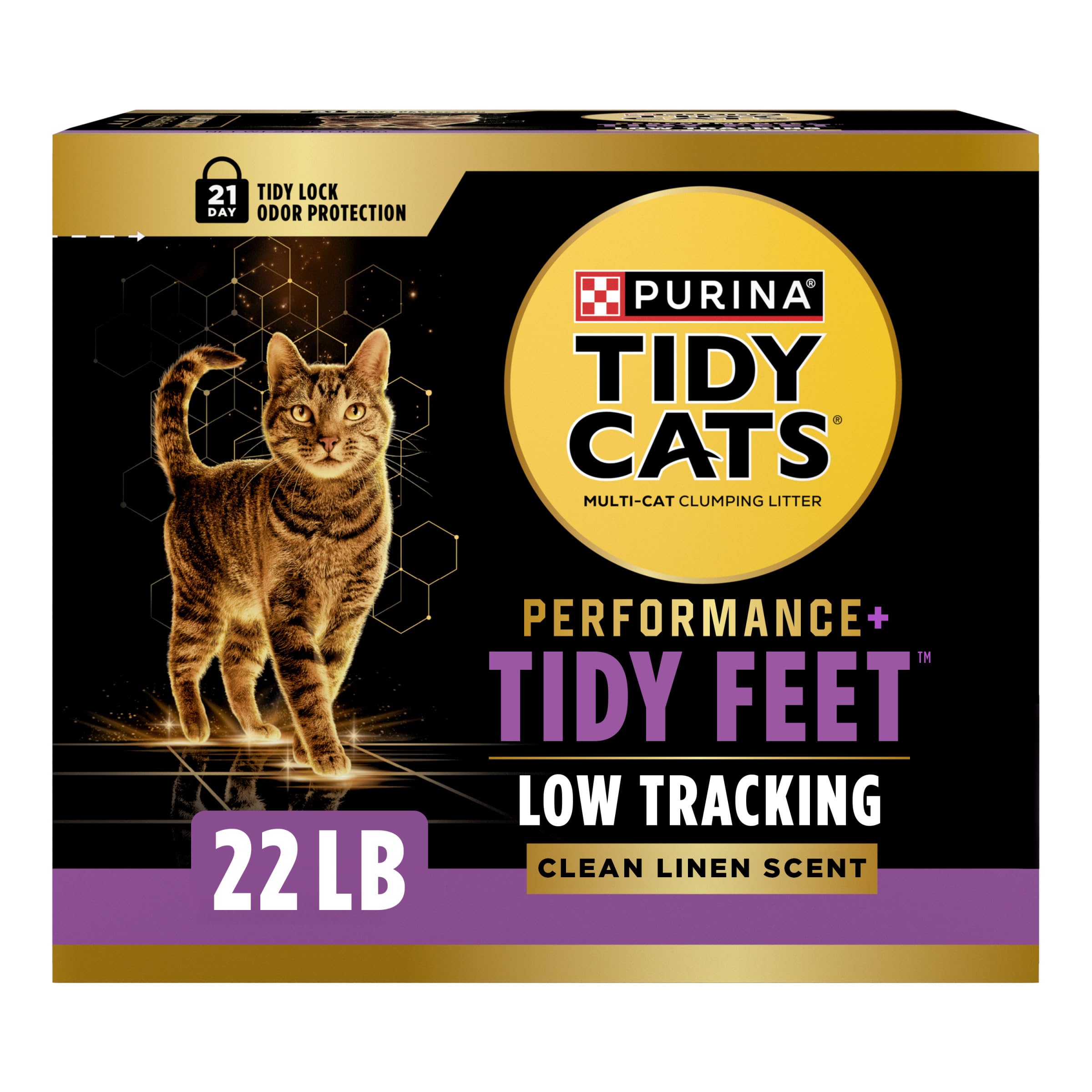
Purina Tidy Cats Tidy Feet was engineered specifically to solve the tracking problem that frustrates so many cat owners. The unique blend of litter particles minimizes rolling off paws and reduces scatter around the box by 64% compared to leading clumping litters. For declawed cats, who may spend extra time adjusting their footing and exiting the box, this means fewer stray granules pressing into sensitive pads as they walk away. The 99.9% less-dust formulation also keeps airborne particles to a minimum, creating a cleaner environment for both cat and household.
The 22-pound box is sized for multi-cat homes, and the clean linen scent provides noticeable odor control that lasts up to 21 days when used as directed. Clumping performance is solid — the litter forms tight clumps that hold together during scooping, reducing the residue that can stick to paws on subsequent visits. A frequent compliment from reviewers mentions that the low-tracking feature genuinely works, keeping the area around the box noticeably cleaner than standard litters. The scent is present but not overpowering, and most cats adapt quickly to the texture.
If your declawed cat leaves a trail of litter across the house or you’re tired of sweeping up granules multiple times a day, Tidy Feet offers a proven solution. The low-dust and low-tracking combo directly addresses two of the biggest pain points for sensitive paws. It’s not unscented, so ultra-sensitive cats may prefer a fragrance-free alternative, but for most households this Purina formula delivers reliable performance without the mess.
Why we love it
- 64% less tracking keeps litter scatter away from sensitive paws
- 99.9% dust-free reduces respiratory and pad irritation
- 21-day odor control with a gentle clean linen scent
- Forms tight clumps that minimize sticky residue
Good to know
- Scented formula may not suit cats with fragrance sensitivities
- Not a natural or biodegradable option
- Some users wish the clumps were harder for very deep urine pools
4. Catalyst Natural Soft Wood Cat Litter
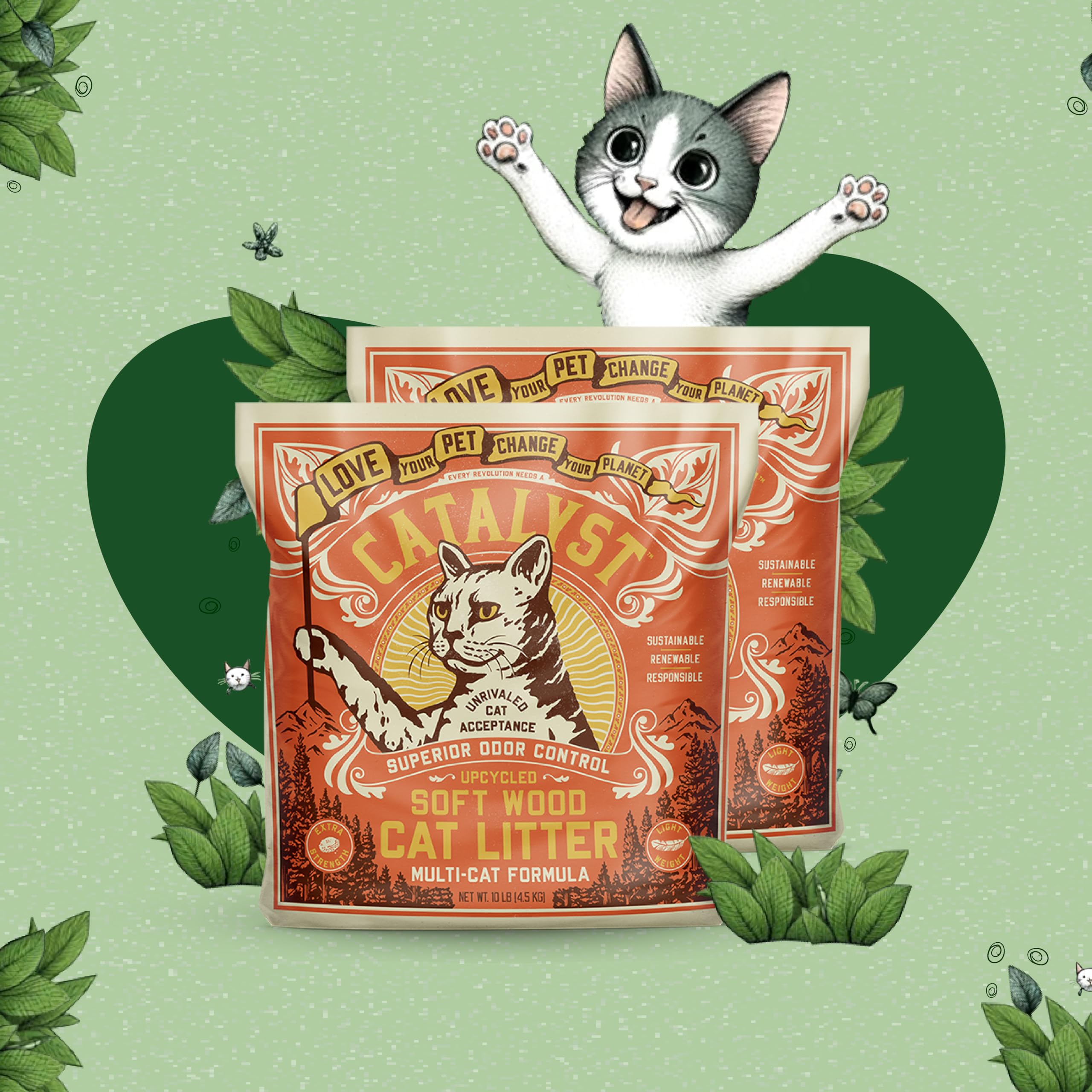
Catalyst Soft Wood Cat Litter takes a premium approach by upcycling clean wood fibers that are naturally soft, lightweight, and highly absorbent. One pound of this wood-based litter does the work of roughly four pounds of clay, which means a single 10-pound bag lasts about a month for one cat. The soft wood texture is noticeably gentler on paws compared to clay, and the natural pine scent is subtle rather than medicinal. Declawed cats who flinch at coarse granules often settle into this litter quickly because the fibers have a pliable, cushion-like feel under the paw.
Odor control is handled without added fragrances — the wood fibers naturally trap and neutralize ammonia smells through absorption rather than masking. Clumping performance is strong for a wood-based litter, forming cohesive clumps that hold together during scooping. The product is virtually dust-free, which is a major win for sensitive respiratory systems and irritated paw pads. Reviewers consistently highlight how lightweight the bag is compared to clay, making box changes and refills much easier on the owner. The biodegradable and compostable nature also appeals to environmentally conscious households.
For cat owners who want a premium, long-lasting litter that prioritizes paw gentleness and sustainability, Catalyst is an outstanding choice. The upfront cost is higher than clay, but the longevity per pound brings the per-use cost in line with mid-range clay litters. The natural wood texture may take a few days for some cats to accept, but once they do, most never go back. If your declawed cat needs the softest possible landing and you value eco-friendly materials, this is the litter to stock.
Why we love it
- Soft wood fiber texture is extremely gentle on sensitive paws
- Lasts up to one month per cat per 10-pound bag
- Virtually dust-free with natural odor absorption
- Biodegradable and compostable, made from recycled wood waste
Good to know
- Higher initial purchase price than standard clay litters
- Some cats need a gradual transition to accept the new texture
- Pine scent, though mild, may not appeal to every owner
5. Arm & Hammer Forever Fresh Lavender Clumping Cat Litter

Arm & Hammer Forever Fresh brings the trusted baking soda odor-neutralizing power into a lavender-scented, 99.9% dust-free clay formula that won’t break the bank. The lavender essential oil infusion is designed to be pet-friendly in controlled amounts, offering a pleasant freshness without the chemical bite of synthetic fragrances. For declawed cats, the dust-free claim is the most critical feature — airborne particles are kept to a minimum, reducing the risk of paw pad irritation during digging and covering behaviors. The 18-pound box is compact enough to store easily while still providing solid longevity for a single cat.
Clumping performance is reliable, with baking soda-coated granules that lock in moisture and odors effectively. The lavender scent is noticeable but not cloying, and many owners report that their cats show no aversion to it. Tracking is average for a clay litter — not as low as the Tidy Feet formulation, but manageable with a mat placed under the box. A number of long-term reviewers mention that this litter holds up well in multi-cat environments, maintaining freshness between full changes longer than other budget-friendly options.
If you need a budget-conscious litter that still delivers low-dust performance and reliable odor control, Arm & Hammer Forever Fresh offers impressive value. The lavender scent is a point of personal preference — some cats are perfectly fine with it, while ultra-sensitive individuals may prefer an unscented alternative. For declawed cats without fragrance sensitivities, this is a cost-effective way to keep the box fresh and the paws comfortable without stretching your monthly pet budget.
Why we love it
- 99.9% dust-free formulation protects sensitive paws
- Baking soda provides effective odor neutralization
- Pleasant lavender scent without harsh synthetic perfumes
- Budget-friendly price point for everyday use
Good to know
- Lavender scent may not suit cats with fragrance sensitivities
- Average tracking performance requires a box mat
- Smaller 18-pound box needs more frequent repurchasing
Safety & Care Tips
Monitor Paw Behavior During Litter Changes
When switching to a new litter for your declawed cat, watch for signs of discomfort during the first week. Excessive paw lifting, hesitating at the box edge, or suddenly eliminating outside the box can indicate that the texture is irritating. Introduce new litter gradually by mixing it with the old formula over 5–7 days, increasing the ratio slowly. This gives your cat’s paws time to adjust to the new feel without causing avoidance behavior.
Maintain a Deeper Litter Bed for Cushioning
Declawed cats benefit from a deeper litter layer — aim for at least 3 to 4 inches instead of the standard 2 inches. The extra depth provides more cushioning for sensitive paw pads and allows your cat to dig and cover waste without hitting the hard plastic bottom of the box. Hard surfaces pressing against declawed paws can cause discomfort and discourage proper elimination habits. A deep bed of soft, low-dust litter mimics natural soil conditions and supports comfortable digging postures.
Clean the Box More Frequently to Reduce Irritation
Used litter that has broken down into smaller particles or become damp can feel abrasive to sensitive paws. Scoop at least twice daily and perform a full litter change every 7–10 days rather than waiting the standard two weeks. Wipe the box with mild soap and warm water during each change — avoid harsh chemical cleaners that leave residues. A consistently clean box reduces the risk of paw pad irritation and encourages your declawed cat to use it without hesitation.
Use a Low-Entry Box for Easy Access
Declawed cats often struggle with high-sided litter boxes because they lack the claws to grip and pull themselves over the rim. Switch to a low-entry box or cut a small entrance notch into a standard box to make access easier. Pair this with a soft, low-dust litter and a textured mat outside the box to catch any clinging granules. Reducing physical barriers around the elimination area helps your cat feel secure and confident during every visit.
FAQ
Do declawed cats need special cat litter?
Can declawed cats use clumping clay litter?
Is tofu litter good for declawed cats?
How often should I change litter for a declawed cat?
What ingredients should I avoid in litter for declawed cats?
Final Thoughts: The Verdict
For most pet parents, the best cat litter for declawed cats winner is the Dr. Elsey’s Ultra UnScented Clumping Clay Cat Litter because it combines proven 99.9% dust-free performance with an unscented, medium-grain texture that declawed cats tolerate exceptionally well. If you want a plant-based, flushable option that feels even softer under the paw, grab the VETRESKA Tofu Cat Litter. And for households dealing with excessive litter scatter, nothing beats the Purina Tidy Cats Tidy Feet for keeping granules off sensitive paws and your floors clean.