
The term “chameleon plant” refers not to a single species but to a category of fast-growing, variegated foliage plants prized for their ability to shift leaf colors from green to cream, pink, red, and yellow depending on light and season. Whether you are setting up a marginal pond shelf, a humid terrarium, or a hanging basket for a shaded patio, the specific variety you choose dictates the visual payoff and long-term maintenance.
I’m Mo Mahin — the founder and writer behind Furric. Over the past decade I have analyzed thousands of SKUs across horticulture categories, comparing shipping viability across USDA hardiness zones, evaluating rehydration success rates of dormant moss, and studying the real-world germination and survival feedback from tens of thousands of verified buyers to separate resilient varieties from fragile ones.
This guide breaks down five distinct options — from aquatic marginal plants that filter pond water to trailing houseplant starters and live moss packs for terrariums — so you can match the right specimen to your specific setup. Each entry below is a top contender in the best chameleon plants category, chosen for its unique application and proven track record with real buyers.
How To Choose The Best Chameleon Plants
Because “chameleon plant” covers both aquatic marginal species (Houttuynia cordata ‘Chameleon’) and terrestrial trailing types (Tradescantia zebrina), your first decision is habitat. A pond dweller needs shallow water and full sun to activate its pink and cream splashes, while a terrarium moss or wandering Jew needs bright indirect light and consistent humidity. Matching the plant to your water or soil conditions prevents leaf burn or rot within the first week.
Water Depth and Root Anchoring
True marginal chameleon plants thrive with roots in saturated soil or up to 2 inches of water, but they will rot if submerged deeper than the crown. Look for varieties that tolerate bog conditions and come with clear planting instructions for pond shelves or shallow containers. A product that ships as a bare-root tuber needs immediate anchoring in gravel or heavy loam, not lightweight potting mix.
Shipping State and Rehydration Protocol
Moss and many live foliage plants ship dormant to survive transit. The best sellers pack specimens in moist but not wet media and include a rehydration guide. If a package arrives with compressed, brownish moss that revives after a heavy misting over 24–48 hours in a shaded humid spot, the shipping protocol is sound. Avoid sellers whose moss arrives slimy, moldy, or bone-dry without any moisture-retaining layer.
Variegation Stability
Variegated chameleon plants lose their multicolored patterns in deep shade or waterlogged conditions. Check the product’s sun exposure recommendation — full sun to partial shade typically preserves the strongest cream, pink, and yellow tones. If the listing describes the foliage as “green with occasional blush,” expect less dramatic color under suboptimal light. For indoor setups, a grow light on a 12-hour cycle maintains the most vibrant hues.
Quick Comparison
On smaller screens, swipe sideways to see the full table.
| Model | Category | Best For | Key Spec | Amazon |
|---|---|---|---|---|
| Chalily Chameleon Plant | Aquatic Marginal | Pond shelves, bog filters, shallow water edge | Heights up to 12 inches, multi-color heart leaves | Amazon |
| LUCKYRUNES Live Moss 4-Pack | Terrarium Moss Mix | Closed terrariums, vivariums, reptile enclosures | 4 random moss varieties, 3.5×7 inch sheets | Amazon |
| Live Wandering Jew Plant (10-pack) | Trailing Houseplant | Hanging baskets, shelf planters, quick ground cover | 10 rooted starters, purple & silver foliage | Amazon |
| LUCKYRUNES Live Moss for Reptiles | Reptile Substrate Moss | Reptile habitat bedding, humidity regulation | 50 square inches, absorbs & releases moisture | Amazon |
| Yarrdfir Coco Coir Liner | Planter Accessory/Mat | Re-lining hanging baskets, reptile carpet, craft use | 16×120 inch natural coconut fiber mat | Amazon |
In‑Depth Reviews
1. Chalily Chameleon Plant
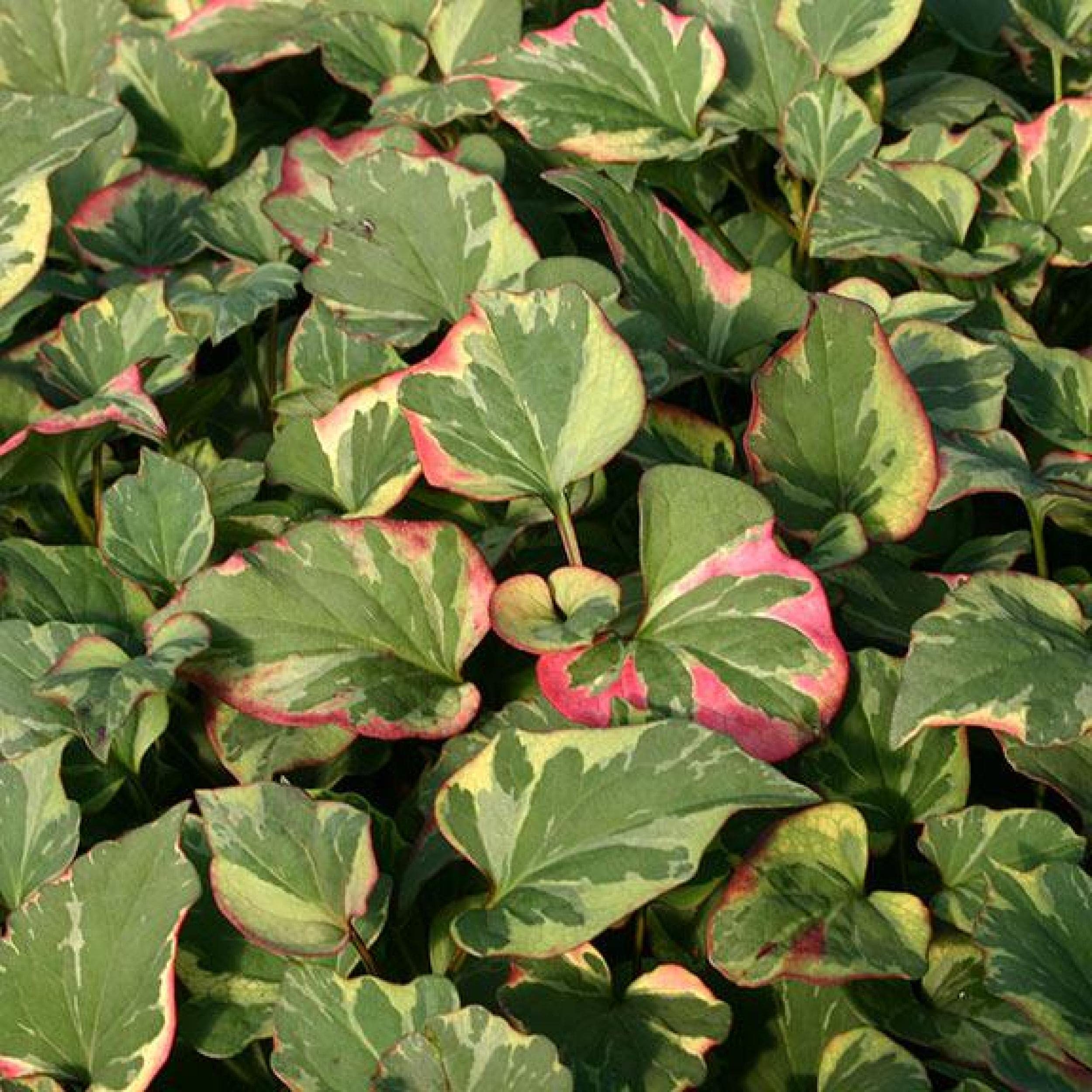
The Chalily Chameleon Plant (Houttuynia cordata ‘Chameleon’) is the most color-intense option in this list, delivering heart-shaped leaves splashed with red, pink, yellow, cream, and green simultaneously. As a marginal aquatic, it thrives in shallow water up to 2 inches deep, making it ideal for pond shelves, bog filters, and stream edges where it softens hardscape lines while naturally filtering the water through its root system. Its fast-spreading growth habit quickly fills bare zones, providing cover for koi and goldfish.
Buyers consistently praise the secure packaging and detailed planting guidance — the bare-root tuber arrives damp and ready for immediate anchoring in gravel or heavy soil. In USDA hardiness zone 5 and warmer, the plant overwinters reliably at the pond’s edge, regrowing each spring from the root base. The variegation remains brightest in full sun to partial shade; heavy shade reduces the pink and yellow splashes to mostly green.
A few reviewers noted the single-tuber portion feels expensive compared to generic pond plants, but the unique multicolor foliage and guaranteed-alive shipping policy justify the premium. For anyone building a natural pond ecosystem and wanting a signature color pop at the waterline, this is the definitive chameleon plant.
Why we love it
- True variegated heart leaves with 5 distinct colors visible on a single plant
- Winter-hardy to zone 5, regrows reliably each spring from root crown
- Naturally filters pond water while providing habitat for fish
Good to know
- Single bare-root tuber per pack; spread rate takes one season to fill a 12-inch shelf
- Price per plant is higher than bulk green pond varieties
2. LUCKYRUNES Live Moss 4-Pack

The LUCKYRUNES Live Moss 4-Pack delivers four distinct sheets — typically Hypnum, Dicranum, Brachythecium, and Racomitrium — each measuring approximately 3.5 by 7 inches when rehydrated. This variety pack is designed for closed terrariums, vivariums, bonsai top dressing, and reptile habitat decor where textures and growth rates differ across species. Buyers report that Racomitrium stays low and dense while Hypnum fluffs upward, creating natural depth in glass enclosures.
The moss ships in a dormant, compressed state that appears dry or light brown upon arrival. A thorough misting with clean water and placement in a shaded zone with humidity above 60% triggers recovery within two to four days. No dyes or preservatives are used — the earthy, damp scent that briefly appears after misting fades with ventilation. Verified purchasers note that all four pieces revived reliably, with some pieces greening within hours of the first spray.
The main caveat is that the “random” selection consistently repeats the same four species across orders, so you cannot request specific types. One buyer observed that one sheet arrived slightly compacted despite good packaging. For the price, this pack offers the most species diversity among live moss options, making it the best choice for hobbyists building multi-textured terrarium floors.
Why we love it
- Four different moss species per pack create natural textural variety in terrariums
- Dye-free and preservative-free — safe for reptile and amphibian enclosures
- Reliable rehydration: most sheets green up within 24-48 hours of misting
Good to know
- Varieties are not truly random — four species repeat across orders
- Needs humidity above 60% to stay vibrant; will crisp in dry room conditions
3. Live Wandering Jew Plant (10-pack)
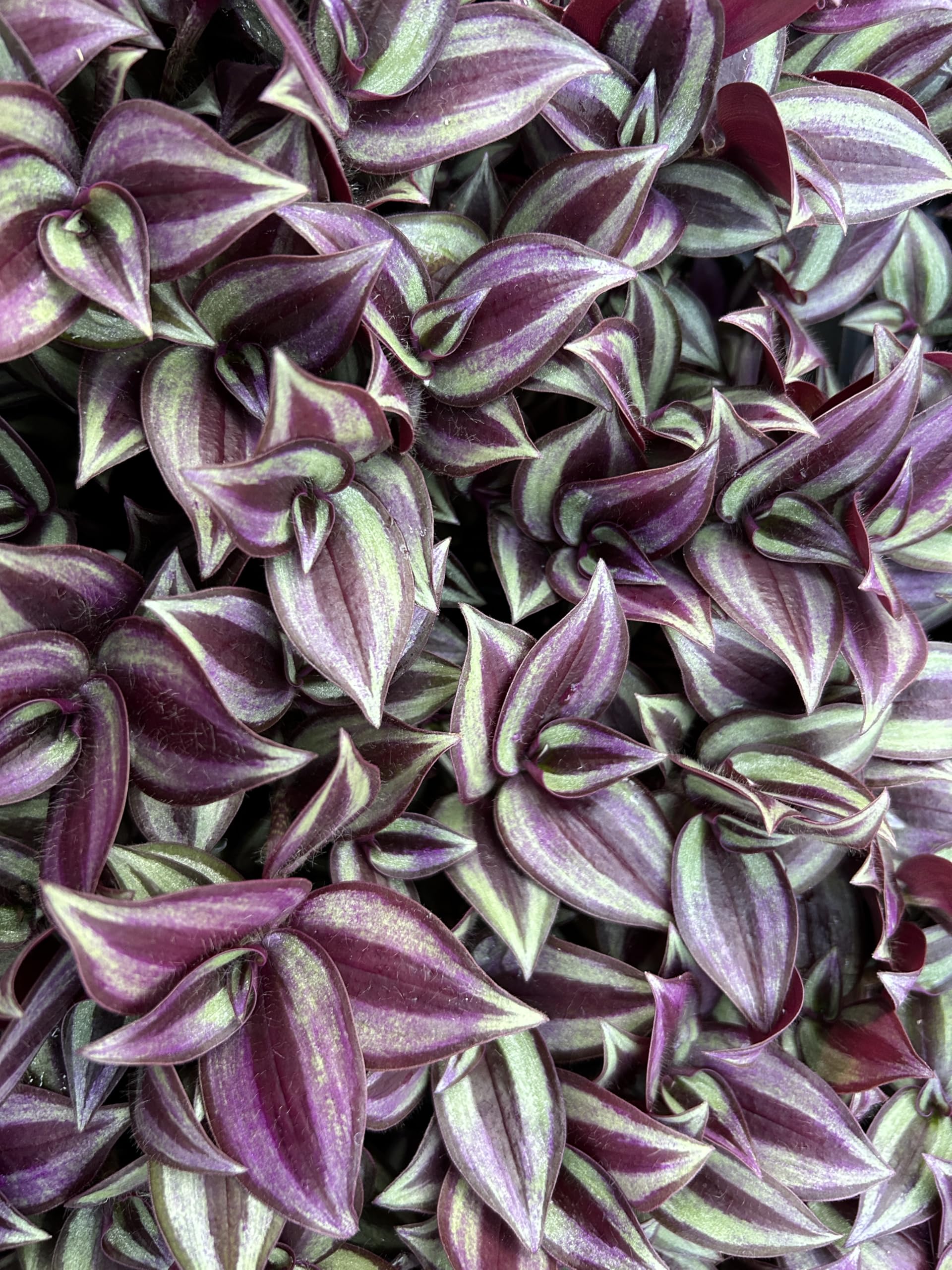
The August Breeze Farm Live Wandering Jew Plant (Tradescantia zebrina) pack contains 10 fully rooted starter plants, not unrooted cuttings. Each starter has a substantial root ball and upright growth from the moment it arrives. The striped purple and silver foliage catches dappled light beautifully indoors, making it a top pick for hanging baskets, shelf planters, and terrarium backdrops where the trailing stems can cascade 18 inches or more over time.
Verified buyers highlight the packaging quality — each plant arrived moist, with undamaged leaves and intact root systems, even after cross-country shipping. The species is famously easy to propagate: cuttings root in water within a week, allowing you to multiply your 10-starter pack into several pots. One reviewer noted the color intensity exceeded expectations, with brighter silver stripes than previous Tradescantia purchases from other sellers. The plants are pest-free and GMO-free, per the seller’s three-point inspection.
A minor drawback is that Tradescantia zebrina is not frost-tolerant and must be overwintered indoors in zones below 9. Indoors, it needs bright indirect light to maintain its silver variegation — low light turns the foliage mostly green. For the price of a single large houseplant elsewhere, you get ten healthy, rooted specimens ready to fill a collection instantly.
Why we love it
- 10 fully rooted starters — not cuttings — with strong root balls for immediate potting
- Vibrant purple-silver variegation holds color well in bright indirect light
- Packaging ensures safe transit: leaves intact, soil moist, no shipping damage
Good to know
- Not frost-tolerant — must be overwintered indoors in zones below 9
- Silver variegation fades to green in low light or overwatering conditions
4. LUCKYRUNES Live Moss for Reptiles
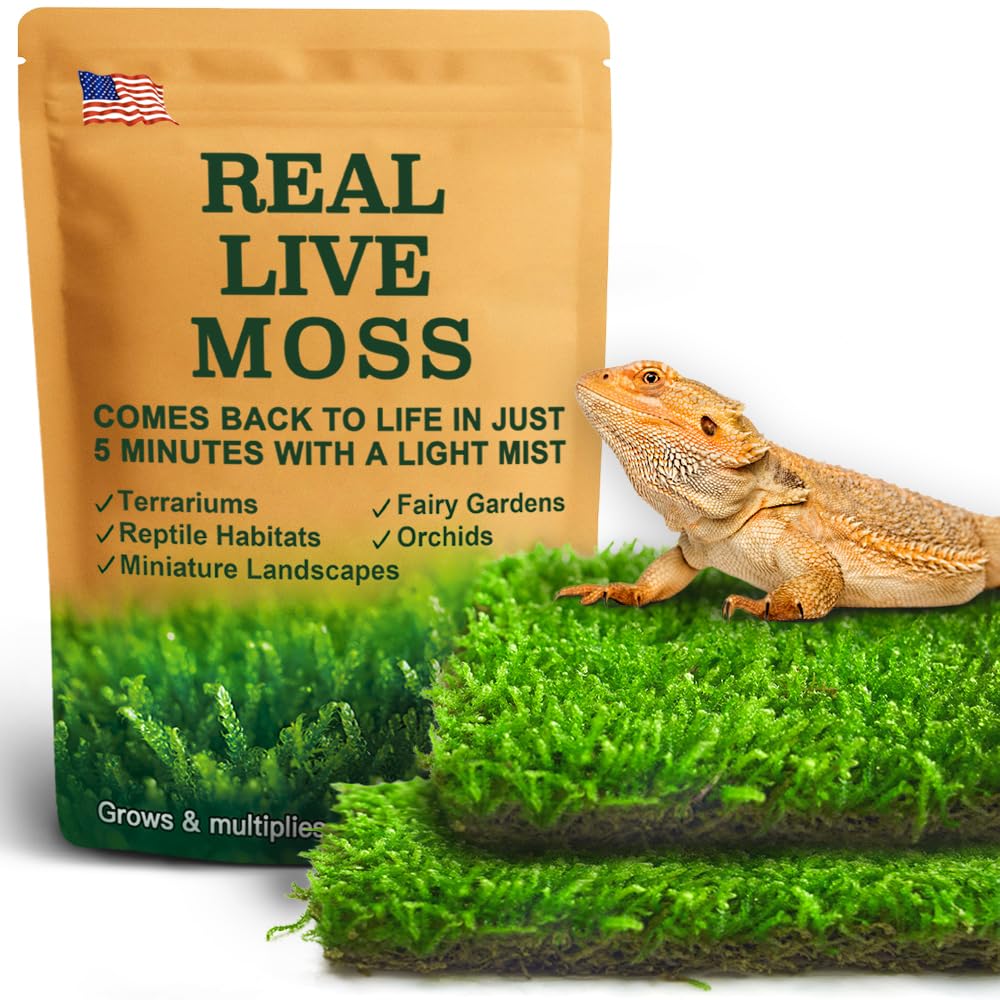
The LUCKYRUNES Live Moss for Reptiles provides 50 square inches of sheet moss that serves as both a functional substrate and a decorative ground cover. Its primary advantage over standard peat or coconut coir is the live moss’s ability to absorb and slowly release moisture, maintaining terrarium humidity without pooling water that could cause scale rot in amphibians and reptiles. The moss arrives in a dormant state — two tidy squares that fluff up and turn vibrant green within hours of misting with clean water.
Buyers using the moss in Pac-Man frog enclosures and crested gecko habitats describe it as the “best moss they’ve gotten online,” noting that it lacks the chemical odor some pre-packaged reptile substrates emit when damp. The sheets conform easily to irregular terrain, covering bare spots around water features and hiding places. A single pack covers roughly a 7-by-7-inch area at full fluff, and users confirm it spreads naturally when kept consistently moist and shaded.
The most consistent feedback is that the moss demands regular misting — it loses brightness after 24 hours without moisture. For reptile keepers who want a living, color-shifting surface that regulates the microclimate without synthetic additives, this is the most reliable option in the budget tier.
Why we love it
- No chemical smell when misted — safe for sensitive amphibians and reptiles
- Comes as neat sheets that fluff up naturally, not messy loose clumps
- Regulates humidity without standing water, reducing risk of bacterial issues
Good to know
- 50 square inches covers a small enclosure only — larger setups need multiple packs
- Bright green appearance fades after a day without misting; high maintenance
5. Yarrdfir Coco Coir Liner
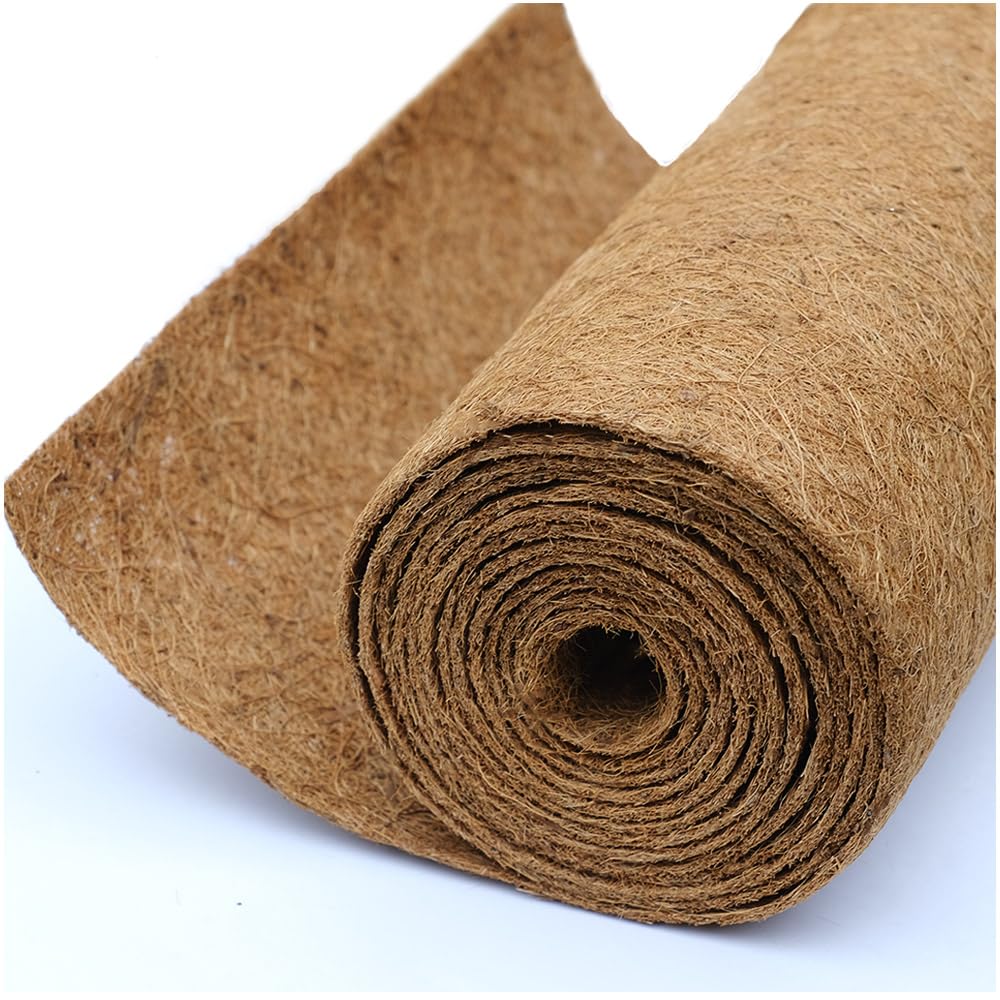
While not a living plant, the Yarrdfir Coco Coir Liner is the essential structural companion for any planter-based chameleon plant display. Woven from natural coconut fiber, this 16-by-120-inch mat is used to line wire hanging baskets before adding soil, preventing erosion while allowing airflow to the roots. It also works as a reptile carpet, a garden weed mat, or a snow-melt traction pad. For chameleon plants grown in hanging baskets, the coconut fiber’s breathability prevents root rot that often occurs in solid plastic liners.
Buyers consistently confirm the liner is thinner than the pre-formed basket liners sold in garden centers — typically 1/8 inch thick instead of 1/4 inch. This thinness has an upside: it allows more soil volume inside the basket and is easier to trim with heavy-duty shears and shape around odd basket contours. The two ends butt together or overlap neatly for longer planters. One reviewer used it to line a laundry basket for a vegetable garden, and it held soil consistently through multiple watering cycles.
The trade-off is that the thinner fiber mat may degrade faster than thick liners in full sun or wet-dry cycles, especially if the basket is not shaded. A few users noted that the price feels slightly high for a single roll compared to bulk landscaping fabric. For hanging basket enthusiasts who need a custom-fit, eco-friendly base for their chameleon plant’s root system, this liner gets the job done.
Why we love it
- 16×120 inches provides enough material for multiple large hanging baskets
- Thin profile allows more soil capacity inside the basket than thick pre-formed liners
- Natural coconut fiber is biodegradable and breathable, reducing root rot risk
Good to know
- Thinner than typical retail basket liners — more prone to tearing under heavy weight
- Price per roll feels steep relative to synthetic landscape fabric alternatives
FAQ
Why did my chameleon plant turn all green after two weeks?
Can I plant the Chalily Chameleon Plant in a regular garden bed?
How do I rehydrate live moss that arrived brown and compressed?
Final Thoughts: The Verdict
For most gardeners, the best chameleon plants winner is the Chalily Chameleon Plant because it delivers true multicolor heart leaves and functions as a living pond filter, combining dramatic aesthetics with ecological utility. If you want a fast-growing indoor trailing option with easy propagation, grab the Live Wandering Jew Plant (10-pack). And for building a lush, multi-textured terrarium floor with distinct moss species, nothing beats the LUCKYRUNES Live Moss 4-Pack.