
Watching your dog scratch endlessly, deal with loose stools, or suffer from chronic ear infections is heartbreaking. The culprit is often the food bowl — common proteins like chicken or beef, and grains like wheat, can trigger inflammatory responses that manifest as skin irritation and digestive upset. Finding a kibble or wet food that eliminates these triggers while delivering complete nutrition is the single most impactful change you can make for your allergic dog.
I’m Mo Mahin — the founder and writer behind Furric. I’ve spent the last three years analyzing over 2,000 ingredient panels, cross-referencing AAFCO nutrient profiles, and studying the molecular weight of hydrolyzed proteins to separate real allergy solutions from marketing fluff.
This guide breaks down the top five commercial options that use novel proteins, limited ingredient lists, and probiotic blends to soothe gut inflammation and calm skin reactions without requiring a vet visit for a prescription diet. Whether your dog has seasonal environmental allergies or chronic food sensitivities, the right dog food for dogs with allergies and sensitive stomachs can transform their quality of life in as little as two weeks.
How To Choose The Best Dog Food For Dogs With Allergies And Sensitive Stomachs
Selecting an allergy-safe diet requires understanding two separate but overlapping problems: food allergies (an immune response to a protein) and food sensitivities (a digestive intolerance to an ingredient). A formula that works for one may not help the other. Here are the three criteria that separate effective diets from ones that will leave your dog itching and gassy.
Single Protein Source vs. Hydrolyzed Protein
The most common dog food allergens are chicken, beef, dairy, and eggs. A limited ingredient diet using a novel protein — lamb, salmon, turkey, or pork — removes these common triggers. For dogs with severe allergies to all intact proteins, hydrolyzed protein is the next step. Hydrolysis breaks the protein molecule into fragments too small for the immune system to recognize, preventing the allergic cascade altogether. SquarePet and Hill’s z/d both use this technology, but SquarePet offers it without a prescription requirement.
Probiotic Strain Specificity and CFU Count
Not all probiotics are created equal for canine gut health. Look for strains like Bacillus coagulans (BC30), which survives the acidic stomach environment and colonizes the intestines to crowd out harmful bacteria. A formula should specify the CFU (colony-forming units) per serving — aim for at least 100 million CFU per cup of dry food. Nulo’s inclusion of BC30 alongside prebiotic fibers from peas and chickpeas creates a synergistic effect that firm stool consistency within days.
Omega Fatty Acid Ratio for Skin Barrier Integrity
Dogs with environmental allergies or atopic dermatitis leak moisture through a compromised skin barrier. Omega-3 fatty acids (EPA and DHA from fish oil) reduce systemic inflammation, while omega-6 fatty acids (linoleic acid) support the lipid layer of the skin. A target ratio of roughly 5:1 omega-6 to omega-3 is common in therapeutic diets. ACANA’s lamb and apple recipe achieves this through lamb’s natural fat profile combined with added fish oil, which also provides DHA for cognitive function.
Quick Comparison
On smaller screens, swipe sideways to see the full table.
| Model | Category | Best For | Key Spec | Amazon |
|---|---|---|---|---|
| SquarePet Hydrolyzed Protein | Hydrolyzed Dry Kibble | Severe food allergies, prescription-level alternative | Hydrolyzed pork protein (molecular weight < 10kDa) | Amazon |
| ACANA Singles Lamb & Apple | Limited Ingredient Dry | Dual allergy + sensitive stomach in active breeds | 65% animal ingredients (lamb + lamb liver) | Amazon |
| Nulo FreeStyle Salmon & Peas | Probiotic-Rich Dry | Frenchies & brachycephalic breeds with gas/digestion | BC30 probiotics (100M CFU/lb) + 80% animal protein | Amazon |
| Dave’s Bland Diet Chicken & Rice | Low-Fat Wet Pâté | Acute GI flare-ups, post-surgery recovery, seniors | 6% crude fat, single protein chicken pâté | Amazon |
| Blue Buffalo Basics Turkey & Potato | Grain-Free LID Dry | Chicken-sensitive dogs needing a gentle transition diet | Turkey as #1 ingredient, no chicken by-products | Amazon |
In‑Depth Reviews
1. SquarePet VFS Hydrolyzed Protein Dry Dog Food

SquarePet bridges the gap between veterinary hydrolyzed diets and over-the-counter kibble by using pork protein that has been enzymatically broken down into fragments smaller than 10 kiloDaltons. This molecular size is the industry threshold for avoiding immune recognition — the same technology used in prescription diets like Royal Canin Hydrolyzed Protein, but at a fraction of the per-pound cost. The formula is limited to a single carbohydrate source (potato) and includes DHA and EPA from fish oil to repair the skin barrier during the elimination period.
The 4.4-pound bag size is intentional for the testing phase: veterinarians typically recommend an 8- to 12-week feeding trial before reintroducing other proteins. Owners report that stool quality normalizes within five to seven days, and hot spots begin drying up in the second week. One reviewer noted their Parson Russell terrier’s chronic “raspberry jelly” stool (mucus-coated stool indicating colitis) resolved completely after switching. The kibble nuggets are dime-sized, which may be too large for toy breeds under 10 pounds without soaking.
This diet works best as a dedicated elimination diet rather than a rotational food. Because the protein is hydrolyzed, it does not count as a novel protein source — the immune system simply ignores it. If your dog has been through multiple diet trials with no success, this is the logical next step before visiting a veterinary dermatologist. The formula is AAFCO-compliant for adult maintenance and can be fed long-term.
Why we love it
- Hydrolyzed pork bypasses most food allergies without a prescription
- DHA and EPA levels meet therapeutic Omega-3 targets for skin repair
- Single carbohydrate source reduces variables during elimination trials
Good to know
- Pork flavor may not appeal to chicken-conditioned dogs initially
- 4.4-pound bag is small — expect to reorder every 10-14 days for a 50-pound dog
- Not suitable for dogs with known pork allergies
2. ACANA Singles Lamb & Apple Recipe

ACANA Singles takes a WholePrey approach by including lamb meat, lamb liver, and lamb cartilage in a single-protein formulation that mirrors what a wild canid would consume. The 65% animal ingredient inclusion rate is one of the highest in the limited-ingredient category, delivering amino acid profiles that support lean muscle mass without relying on synthetic supplements. The freeze-dried coating adds palatability that helps transition dogs off chicken-based foods — a critical feature because many allergic dogs refuse unfamiliar proteins.
The formula includes pumpkin seeds and chicory root as prebiotic fiber sources, which feed beneficial gut bacteria without triggering fermentable carbohydrate sensitivity. Owners of pugs and bulldogs report a dramatic reduction in flatulence odor and frequency after switching, with some noting their dogs “no longer crop dust the living room.” The kibble is larger and denser than most LID options, which encourages chewing and slows eating speed — reducing the risk of bilious vomiting syndrome in dogs that scarf their food.
One caveat: the label states “fish may contain” as an allergen disclaimer, meaning the manufacturing facility processes fish-based formulas on shared equipment. Dogs with confirmed fish allergies (which cross-react with lamb in rare cases) should start with a two-week test period monitoring for skin or ear flare-ups. For most dogs, the combination of glucosamine from cartilage and omega-3s from lamb fat makes this a powerful maintenance diet for active breeds with environmental allergies.
Why we love it
- Single novel protein (lamb) with zero chicken or egg ingredients
- Freeze-dried coating eases transition from chicken-based foods
- Prebiotic fiber blend supports stool firmness without added grains
Good to know
- Shared facility risk for dogs with true fish allergies
- Higher protein content may worsen kidney values in renal-compromised seniors
- Price per pound exceeds many prescription LID diets
3. Nulo FreeStyle Salmon & Peas Adult Dry Dog Food
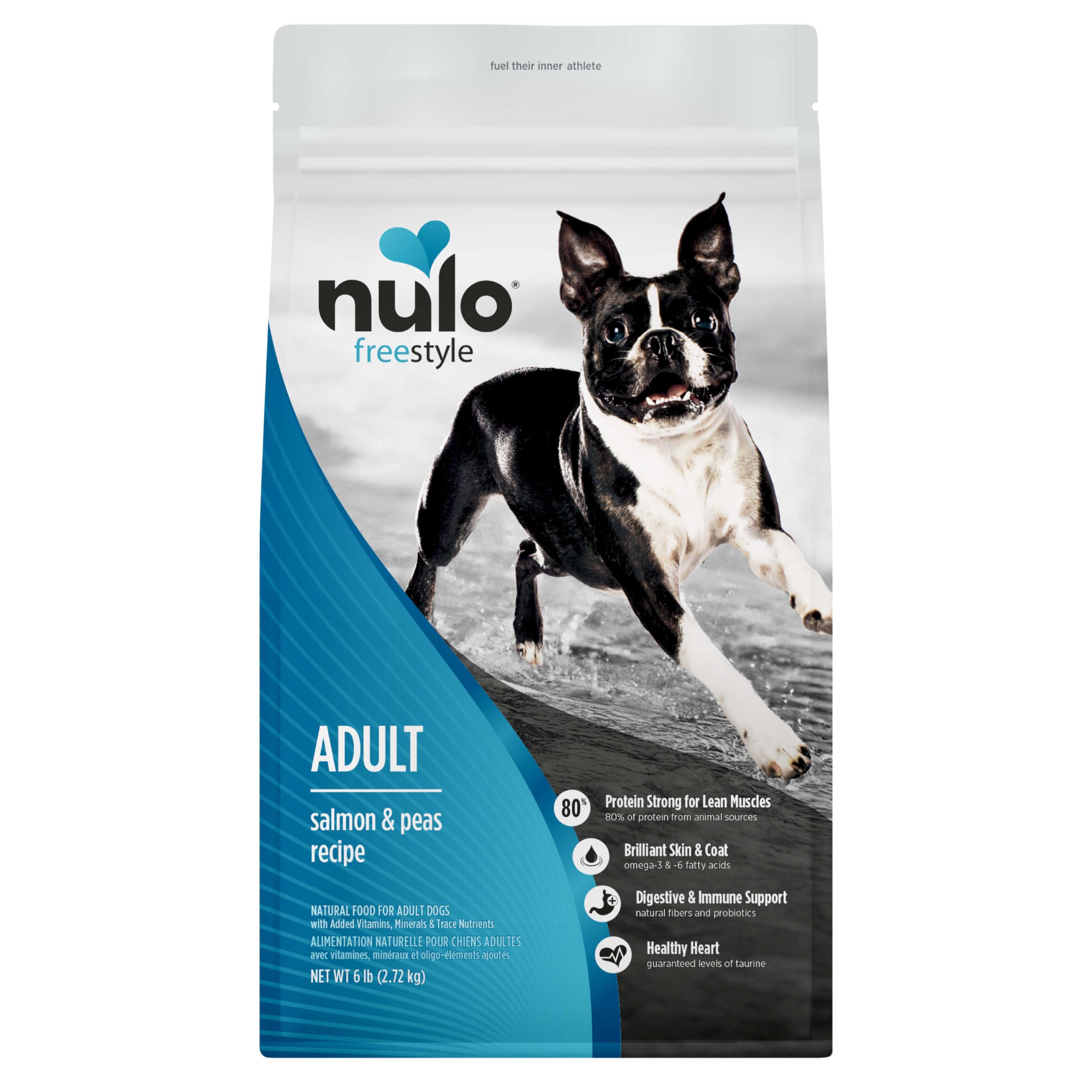
Nulo has built a reputation among brachycephalic breed owners — particularly French Bulldog and English Bulldog communities — because the FreeStyle Salmon formula addresses both the gas and loose-stool issues that plague flat-faced breeds. The inclusion of Bacillus coagulans GBI-30 6086 (BC30) is the standout feature here: this specific strain has been shown in canine studies to survive the low pH of the stomach and germinate in the small intestine, where it produces lactic acid that inhibits pathogenic bacteria like Clostridium perfringens, a common cause of mushy stool in dogs.
The first ingredient is deboned salmon, which provides EPA and DHA at levels that support the skin barrier without requiring a separate fish oil supplement. Omega-3 content is approximately 0.8% on a dry matter basis, which is higher than most kibbles in this price range. Owners consistently report that “no more mushy poo” is the primary benefit, with one reviewer noting their Frenchie’s anal gland issues resolved within a week. The 6-pound bag is the smallest offering — most owners of medium-to-large breeds should buy two bags at a time to avoid running out mid-week.
While labeled as “limited ingredient,” the formula does include multiple pea protein concentrates as secondary protein sources, which can be problematic for dogs with legume sensitivities (a small but real subset of the allergy population). For the vast majority of chicken-allergic dogs, however, the salmon-based protein is novel enough to avoid cross-reactivity, and the price point makes this the most accessible option for multi-dog households feeding a single allergy-friendly recipe.
Why we love it
- BC30 probiotics survive stomach acid and colonize the gut effectively
- Salmon is a novel protein for most dogs previously on chicken or beef
- Omega-3 levels support coat recovery without added fish oil bottles
Good to know
- Contains pea protein concentrate — not suitable for legume-sensitive dogs
- Small bag size (6lb) requires frequent reordering for medium breeds
- Some dogs find the small kibble size too easy to inhale without chewing
4. Dave’s Pet Food Bland Diet Chicken & Rice
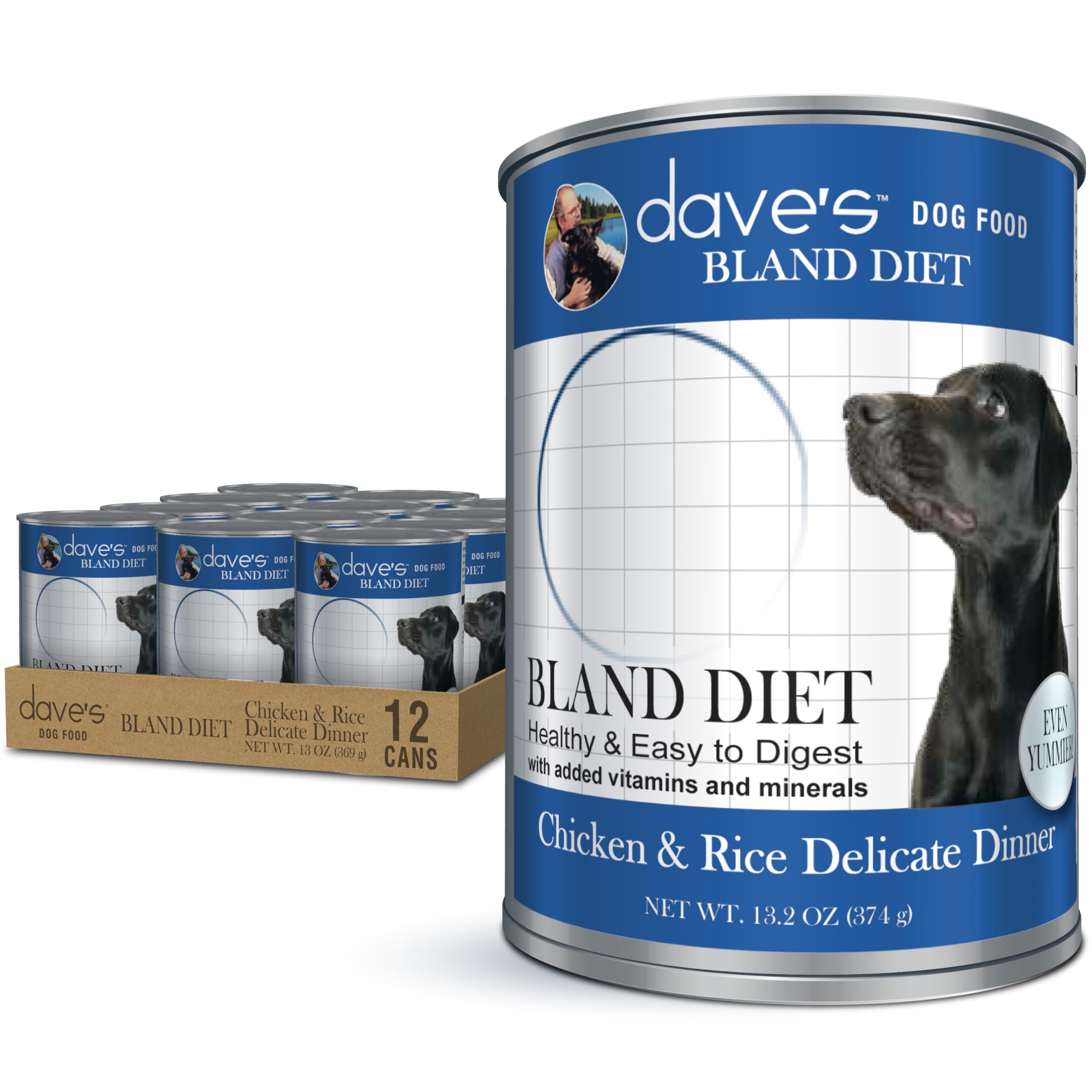
Dave’s Bland Diet is the only wet food on this list, and it serves a specific acute-care niche that dry kibble cannot fill. The 6% crude fat content is significantly lower than standard adult maintenance foods (which typically run 12–15% fat), making it the go-to option during pancreatitis flare-ups, post-surgery recovery, or when transitioning between kibbles. The pâté texture is mechanically soft — no hard chunks that could irritate an inflamed esophagus or dental extraction site — and the chicken-and-rice formula mirrors the traditional home-cooked bland diet that veterinarians have recommended for decades.
The canned format eliminates the dehydrating effect of kibble, which is important for dogs recovering from vomiting or diarrhea who need the extra moisture to prevent dehydration. Each 13.2-ounce can provides approximately 1.5 cups of food, and the case of 12 covers roughly a week of feeding for a 40-pound dog. Owners of senior dogs with chronic kidney disease often use this as a long-term base diet because the low phosphorus content (0.5% on a dry matter basis) helps preserve renal function while still being AAFCO-compliant for adult maintenance.
One limitation: chicken is not a novel protein. Dogs with confirmed chicken allergies may react to this formula. However, Dave’s also offers a lamb-and-rice version for those dogs. The pâté is runnier than typical canned foods — about the consistency of a loose meatloaf — which can be messy to portion but mixes easily with medications. Over five million cans have been sold, and the brand’s Utah-based manufacturing facility does not use wheat, gluten, artificial colors, or carrageenan in any formula.
Why we love it
- Ultra-low 6% fat content is safe for pancreatitis-prone breeds
- Smooth pâté texture is ideal for seniors with missing teeth or sore gums
- Moisture-rich formula aids hydration during GI distress episodes
Good to know
- Chicken protein — not appropriate for dogs with confirmed poultry allergies
- Refrigerated cans only keep 2-3 days after opening
- Pâté consistency is messy to portion compared to dry kibble
5. Blue Buffalo Basics Turkey & Potato

Blue Buffalo Basics entered the sensitive-stomach market with a strong reputation for quality control and transparent sourcing. The Turkey & Potato recipe uses turkey as the sole animal protein — no chicken, beef, or lamb — making it a safe starting point for dogs whose allergy history is unknown. The 11-pound bag size offers the best per-pound cost among the dry foods reviewed here, which matters for owners of large-breed dogs who need sustained feeding over weeks.
The formula includes LifeSource Bits — small, dark kibble pieces that contain a cold-processed antioxidant blend of vitamins C and E plus selenium. These are not coated on the kibble surface (which degrades with heat) but rather baked into separate bits that survive the manufacturing process intact. Owners transitioning from chicken-based puppy chow to this recipe often report that red eyes and paw licking diminish within three weeks. The absence of chicken by-product meal eliminates the most common allergen trigger in commercial dog food.
Potato is the primary carbohydrate source, which is easily digestible for most dogs but has a moderate glycemic index. Dogs with diabetes or insulin resistance may require a formula with lower starch content. Additionally, the kibble size is slightly larger than average — about 12mm in diameter — which may be too large for toy breeds like Chihuahuas or Yorkies unless soaked. For the majority of chicken-sensitive medium-to-large breeds, however, this remains the most accessible entry point into the limited-ingredient category without breaking the monthly pet food budget.
Why we love it
- Turkey is a widely-tolerated novel protein for chicken-allergic dogs
- 11-pound bag provides the best value per pound in this lineup
- LifeSource Bits preserve heat-sensitive antioxidants for immune support
Good to know
- Potato as the carb source may not suit diabetic or insulin-resistant dogs
- Larger kibble size can be difficult for toy breeds under 10 pounds
- Some owners report occasional packaging seal failures during shipping
FAQ
Can I use hydrolyzed protein dog food as a long-term diet or only for elimination phases?
My dog was diagnosed with a chicken allergy — can they still eat Blue Buffalo Basics Turkey?
How do I know if my dog’s skin issues are from food allergies versus environmental triggers?
Final Thoughts: The Verdict
For most dogs with confirmed or suspected food allergies and sensitive stomachs, the dog food for dogs with allergies and sensitive stomachs winner is the SquarePet Hydrolyzed Protein because it uses veterinary-grade hydrolyzation technology to bypass the immune system entirely, offering the highest probability of symptom resolution without requiring a prescription. If your dog has environmental allergies alongside food sensitivities and needs a maintenance diet with strong skin support, grab the ACANA Singles Lamb & Apple for its WholePrey amino acid profile and freeze-dried coating that aids transitions. And for budget-conscious multi-dog households dealing primarily with digestive sensitivity rather than true allergies, the Nulo FreeStyle Salmon & Peas delivers BC30 probiotics and salmon-based omega-3s at a price point that makes daily feeding sustainable.